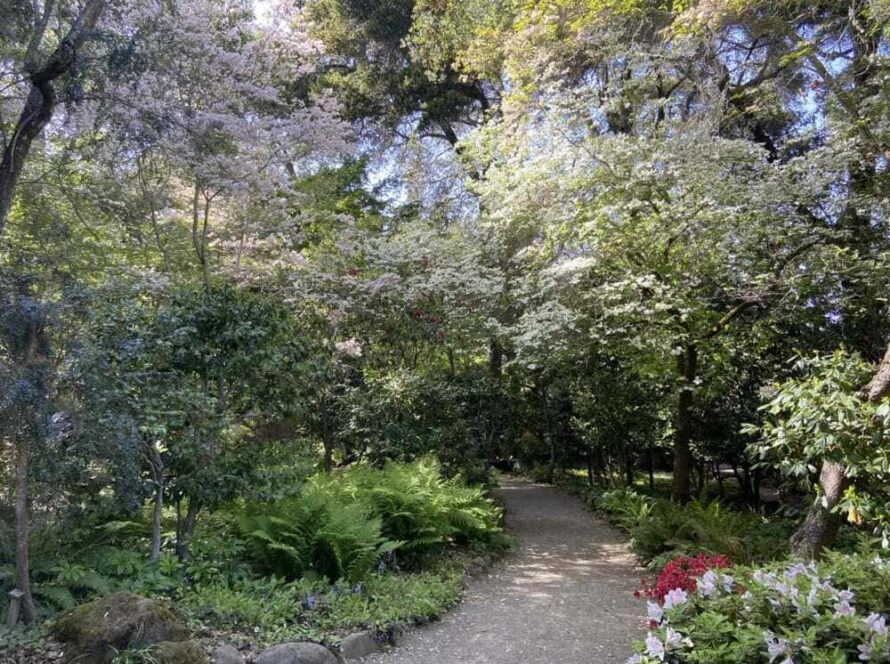


Spider plants are one of the most forgiving and adaptable houseplants, which makes them a popular choice in homes throughout Menlo Park. While our winters are mild compared to many regions, indoor conditions still change enough during the colder months to affect plant health. Understanding what spider plants need in winter can make the difference between a plant that simply survives and one that stays strong and attractive until spring.
Whether spider plants are part of a larger garden design concept or used as indoor accents within estate properties, winter care should focus on light, water, and stable conditions.
Water Less, Not More
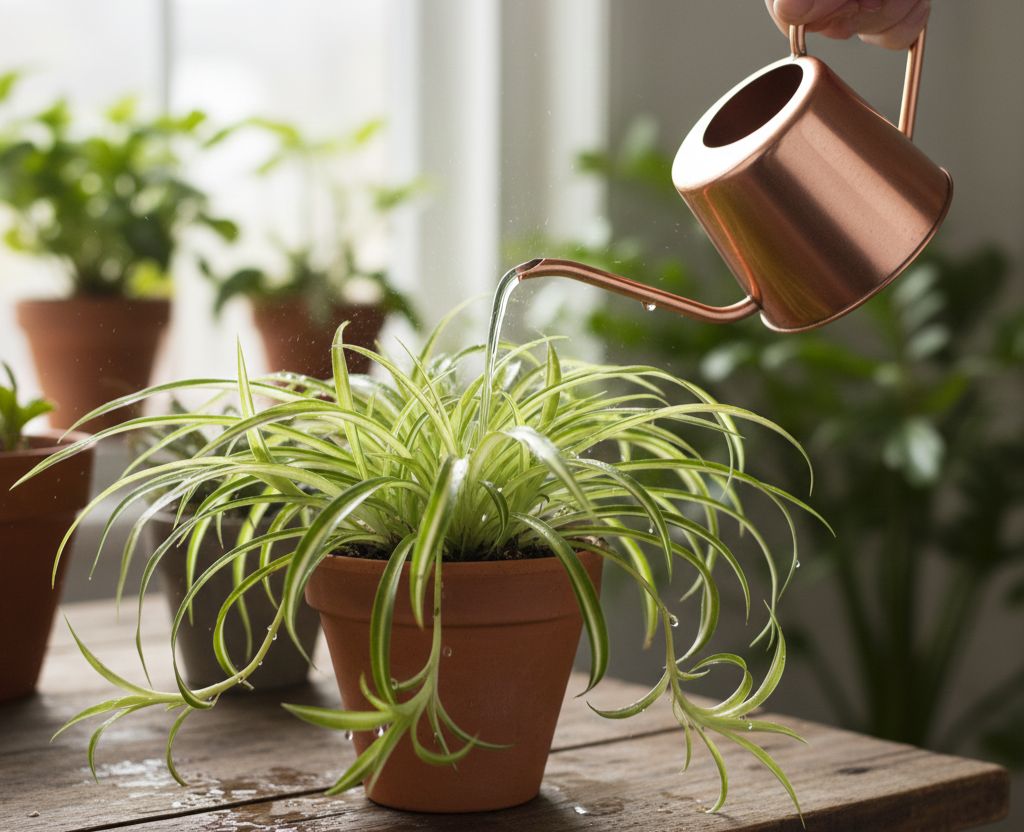
One of the most common mistakes made with spider plants in winter is overwatering. Like most houseplants, spider plants slow their growth when temperatures drop. This means they use far less water than they do during warmer months.
Allow the soil to dry slightly between waterings. Consistently damp soil can lead to root stress and rot, which is one of the main reasons spider plants decline indoors. In Menlo Park homes, where heating systems may run intermittently, it’s easy to assume plants need more water—but winter is the time to scale back.
Prioritize Bright Natural Light
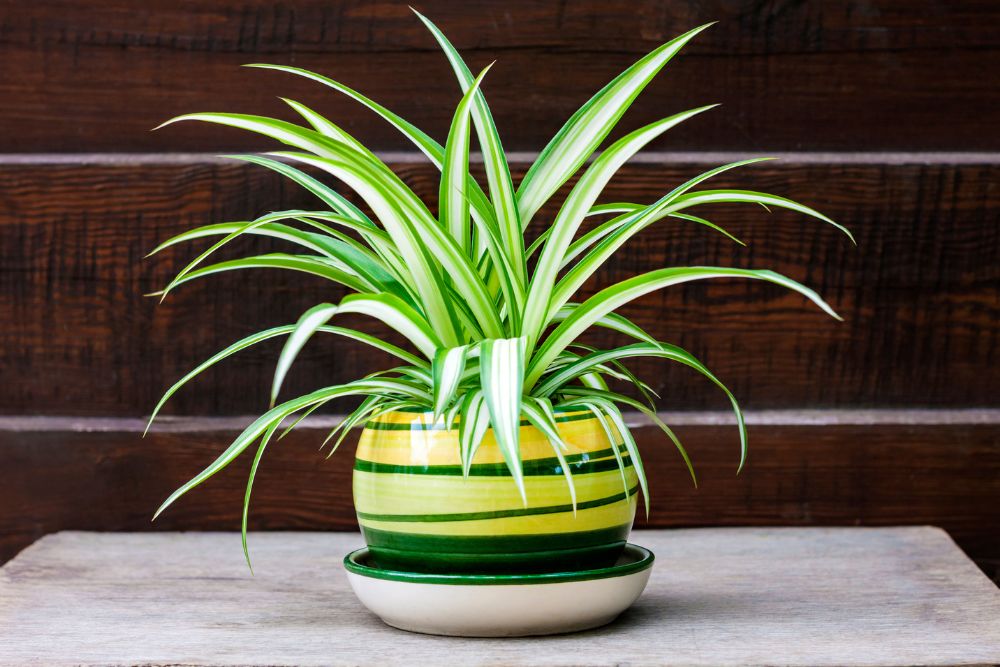
Light remains essential even when growth slows. A south-facing window is ideal during winter, as it provides bright, consistent sunlight throughout the day. Spider plants thrive in strong, indirect light and will maintain healthier foliage when placed near a reliable natural light source.
In estate settings or thoughtfully planned interiors, proper plant placement is often considered during plant installation in estates. Choosing the right location helps spider plants hold their color and structure through the winter months without stress.
Keep Plants Away from Heat Sources
Radiators, fireplaces, and heating vents can cause uneven drying of the soil and root ball. This often leads to a cycle of dryness followed by overwatering, which can weaken the plant over time.
Spider plants prefer stable indoor temperatures. Placing them away from direct heat sources allows the soil to dry evenly and reduces stress on the roots. This principle is commonly applied by any experienced landscape design company when integrating indoor plants into residential environments.
Pause Fertilizing Until Spring
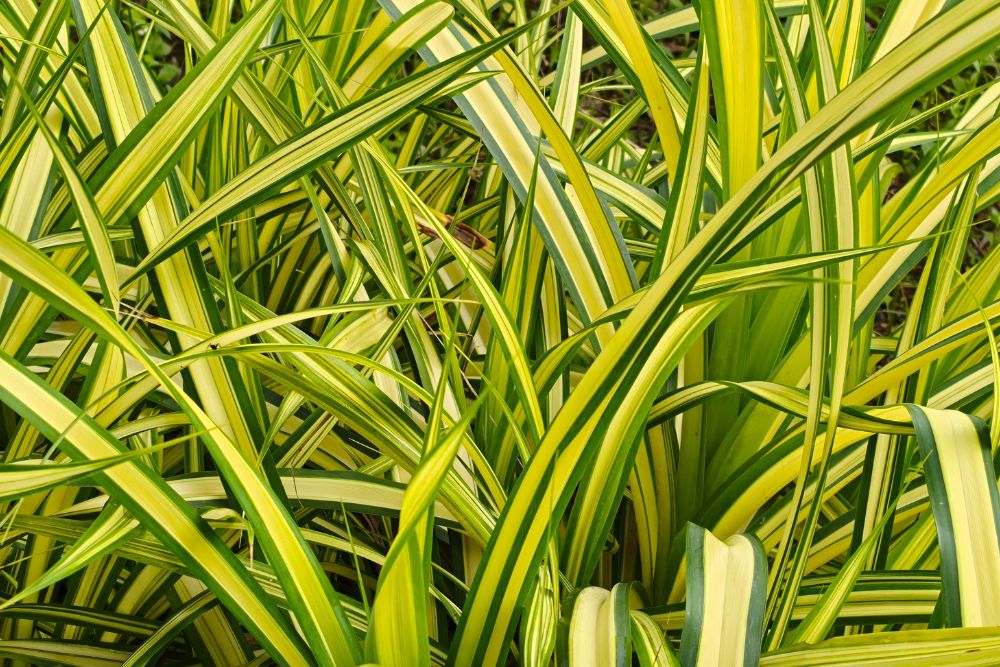
Winter is not the time to fertilize spider plants. Because growth slows naturally, added nutrients are unnecessary and can actually harm the plant. Fertilizing should resume in spring, when warmer temperatures and longer days signal active growth.
Professional landscape designers often follow this same seasonal rhythm, allowing plants to rest before encouraging new growth at the appropriate time of year.
Add Gentle Humidity
Indoor air can become dry during winter, especially in well-sealed homes. Light misting helps increase humidity and supports healthy leaf tips. While spider plants are adaptable, occasional misting helps replicate the more balanced moisture levels they experience in their natural environment.
This simple step can make a noticeable difference in keeping foliage fresh and resilient throughout the season.
Winter Care Supports Long-Term Plant Health
Caring for spider plants during winter is less about active maintenance and more about restraint. With proper light, reduced watering, and a stable environment, spider plants will remain healthy until spring returns.
At Petrus Landscape, we approach both indoor and outdoor planting with the same philosophy used in luxury garden design—respecting seasonal cycles and choosing care practices that support long-term health. Whether as part of a refined interior or a broader estate planting plan, spider plants thrive when their winter needs are understood and respected.