
Evergreen trees and shrubs play a critical role in Los Altos landscapes. They provide year-round structure, privacy, and visual balance—especially in estate properties where the garden is meant to look intentional in every season. Because they hold their foliage through winter, many homeowners assume evergreens can be pruned at any time of year. In reality, winter pruning often does more harm than good.
Understanding when and why to prune evergreens is essential for protecting plant health, avoiding long-term damage, and maintaining the refined appearance expected in high-quality estate landscaping. Below, we’ll walk through what winter conditions mean for evergreens in Los Altos, when pruning should (and shouldn’t) happen, and how to care for these plants until the right season arrives.
How Los Altos Winter Conditions Affect Evergreens
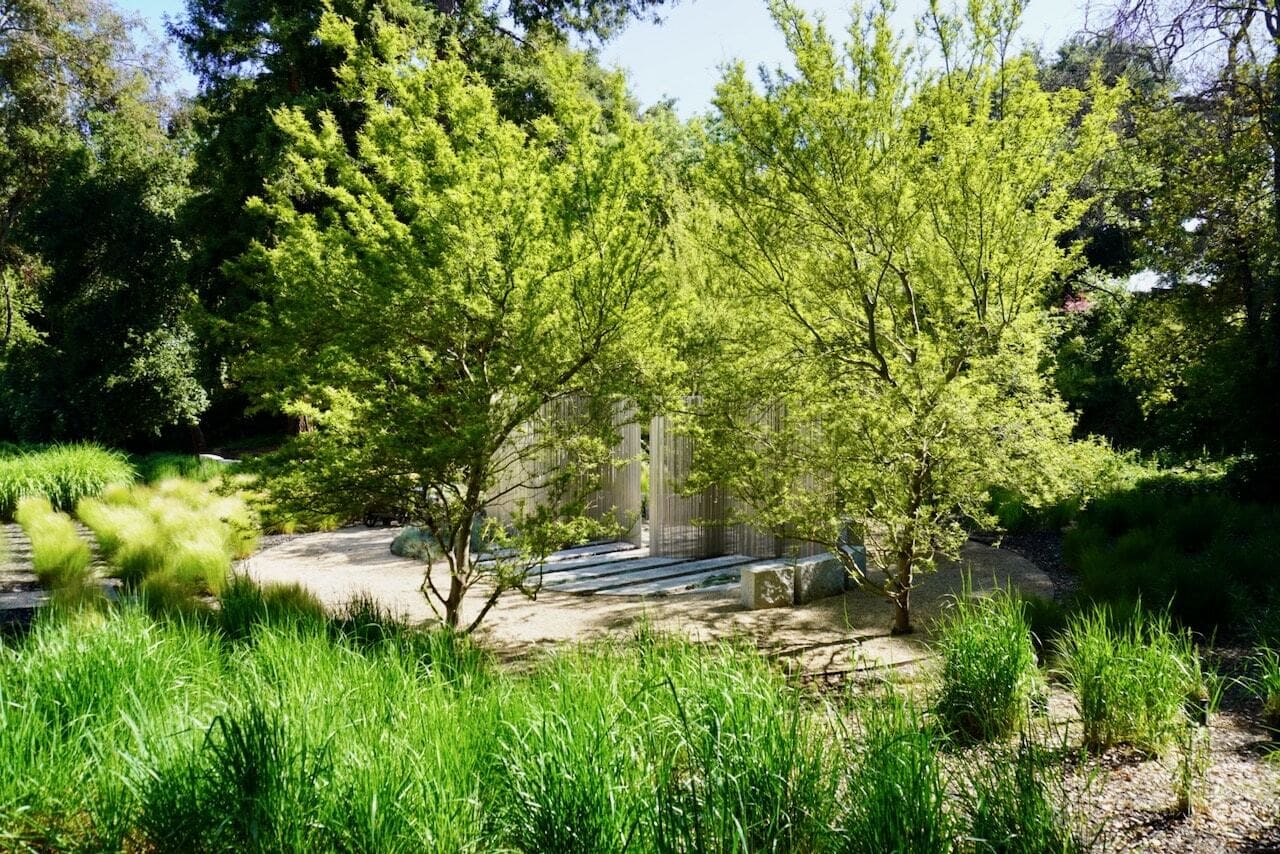
Los Altos benefits from a relatively mild climate, but winter still brings enough temperature fluctuation to stress plants—especially woody evergreens. Cool nights, occasional frost, drying winds, and periods of heavy rain all affect how plants respond to pruning.
Evergreens remain biologically active during winter, just at a slower pace. When branches are cut during this time, the plant has limited ability to seal wounds or redirect energy toward recovery. This makes timing especially important in professionally maintained landscapes where long-term plant health is a priority.
For homeowners investing in estate landscaping, the goal is not short-term shaping but decades of healthy growth.
Why Winter Pruning Is Risky for Evergreens
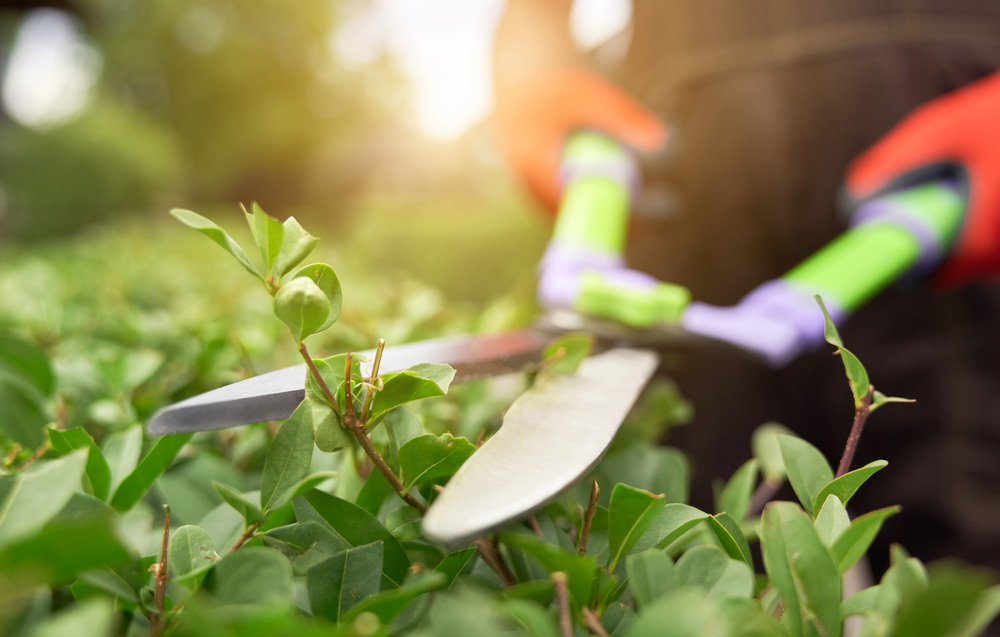
As a general rule, evergreens should not be pruned during winter unless there is a safety concern, such as storm damage or broken limbs. There are several horticultural reasons for this:
Increased Stress on the Plant
Pruning is a controlled form of stress. During winter, plants are already under environmental pressure from cooler temperatures and reduced sunlight. Cutting branches at this time compounds that stress, which can weaken the plant’s overall structure and vigor.
Sap Freeze Damage
Fresh pruning cuts can release sap. In colder conditions, that sap may freeze, causing tissue damage around the cut. Over time, this can lead to dieback or permanent branch loss—especially in conifers and broadleaf evergreens.
Slower Healing
Evergreens seal pruning wounds through active growth. In winter, that process slows significantly. Open cuts remain exposed longer, increasing the risk of disease or internal damage.
This is why experienced horticulturists and professional landscape designers consistently avoid winter pruning for evergreens unless absolutely necessary.
The Best Time to Prune Evergreens in Los Altos
For most evergreen species, the ideal pruning window is late winter to very early spring, just before new growth begins. In Los Altos, this typically means late February through early March, depending on weather patterns.
At this stage:
Temperatures are more stable
Plants are preparing for active growth
Cuts heal faster and more cleanly
New growth naturally conceals pruning work
This timing allows pruning to support the plant’s natural growth cycle rather than interrupt it.
For clients using landscape design services or ongoing lawn care and garden maintenance, this period is often built into seasonal care schedules to ensure consistency across the entire property.
What to Do Instead of Pruning in Winter
While pruning should wait, there are still important steps you can take to protect evergreens during winter months.
Mulch for Root Protection
Adding a fresh layer of mulch around the base of evergreen trees and shrubs helps regulate soil temperature and protects roots from sudden cold snaps. Mulch also improves soil moisture retention during winter dry spells.
This is especially important in refined estate landscapes, where healthy root systems support long-term plant structure and resilience.
Monitor for Storm Damage
If branches break due to wind or rain, clean removal may be necessary to prevent further tearing. This should be done carefully and minimally, focusing only on damaged material.
Snow Management (When Applicable)
In areas that experience snowfall—even occasionally—heavy, wet snow can accumulate on evergreen branches. Gently shaking snow off large conifers like spruces can prevent limb breakage. This is a preventative measure, not pruning.
Evergreens, Structure, and Long-Term Landscape Design
Evergreens are foundational elements in landscape design. They define space, frame views, and provide continuity between seasons. Poor pruning timing can permanently alter their shape, density, or health.
In estate landscaping, pruning decisions are made with years—or decades—in mind. A thoughtful approach ensures that evergreens mature gracefully and continue to complement the architecture and layout of the property.
Working with a local landscape designer who understands Los Altos microclimates helps ensure that pruning, planting, and lawn care practices align with both the environment and the design intent.
When to Call a Professional
If you’re unsure whether an evergreen should be pruned, or if a plant shows signs of stress, it’s best to consult a professional landscape designer or horticulturist. Experienced professionals evaluate:
Plant species and age
Seasonal timing
Overall garden balance
Long-term health implications
This level of care is especially important for properties relying on coordinated landscape design services rather than isolated maintenance tasks.
Planning Ahead for Spring Pruning
Winter is the right time to plan—not cut. Walk your property, note areas that may need shaping, thinning, or structural correction, and schedule pruning for the appropriate season.
Proper planning ensures that when spring arrives, pruning enhances your landscape instead of setting it back.