
Woodside is known for its expansive properties, mature trees, and a quiet connection to nature that feels distinctly different from denser Bay Area neighborhoods. With larger lots comes greater opportunity but also greater responsibility when it comes to planning and maintaining a garden that feels cohesive, functional, and timeless.
For homeowners with estate-sized landscapes, garden design isn’t simply about planting and pathways. It’s about shaping outdoor space so it feels intentional from every viewpoint, while still working with the local climate and terrain. Whether you’re refining an established garden or starting fresh, thoughtful planning can help transform a large property into something both beautiful and manageable.
Below are practical garden landscaping tips tailored to large properties in Woodside and the surrounding Bay Area.
Start With a Clear Landscape Plan
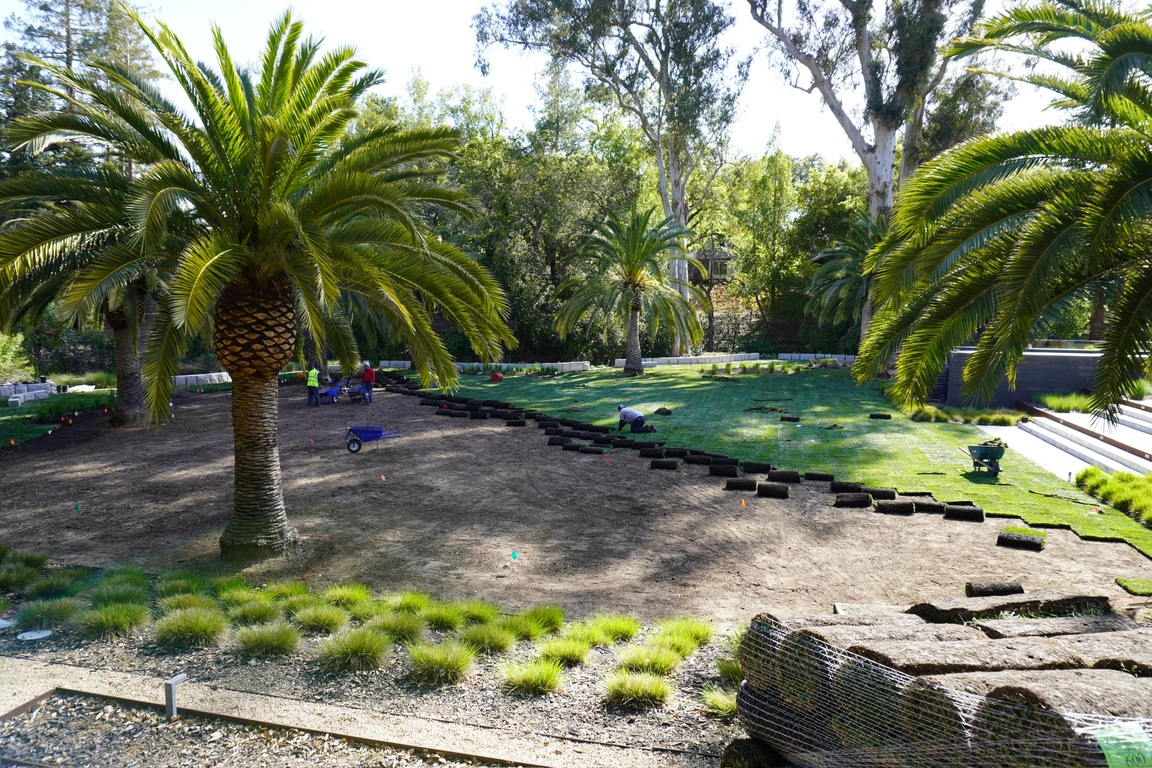
One of the biggest challenges with large properties is knowing where to begin. Without a structured approach, outdoor spaces can feel disconnected or underutilized. Good landscape planning starts by understanding how different parts of the property will be used and how they should connect visually and functionally.
Walk the property at different times of day and take note of sun exposure, shade patterns, slopes, and existing plantings. Consider where you naturally spend time outdoors and where new features might make sense. Large properties often benefit from dividing the landscape into purposeful zones such as arrival areas, entertainment spaces, quiet garden retreats, and open lawns.
A thoughtful plan prevents random planting and ensures each area contributes to the overall experience of the garden. This approach is central to professional landscape design services and helps maintain consistency across larger spaces.
Work With Woodside’s Climate, Not Against It
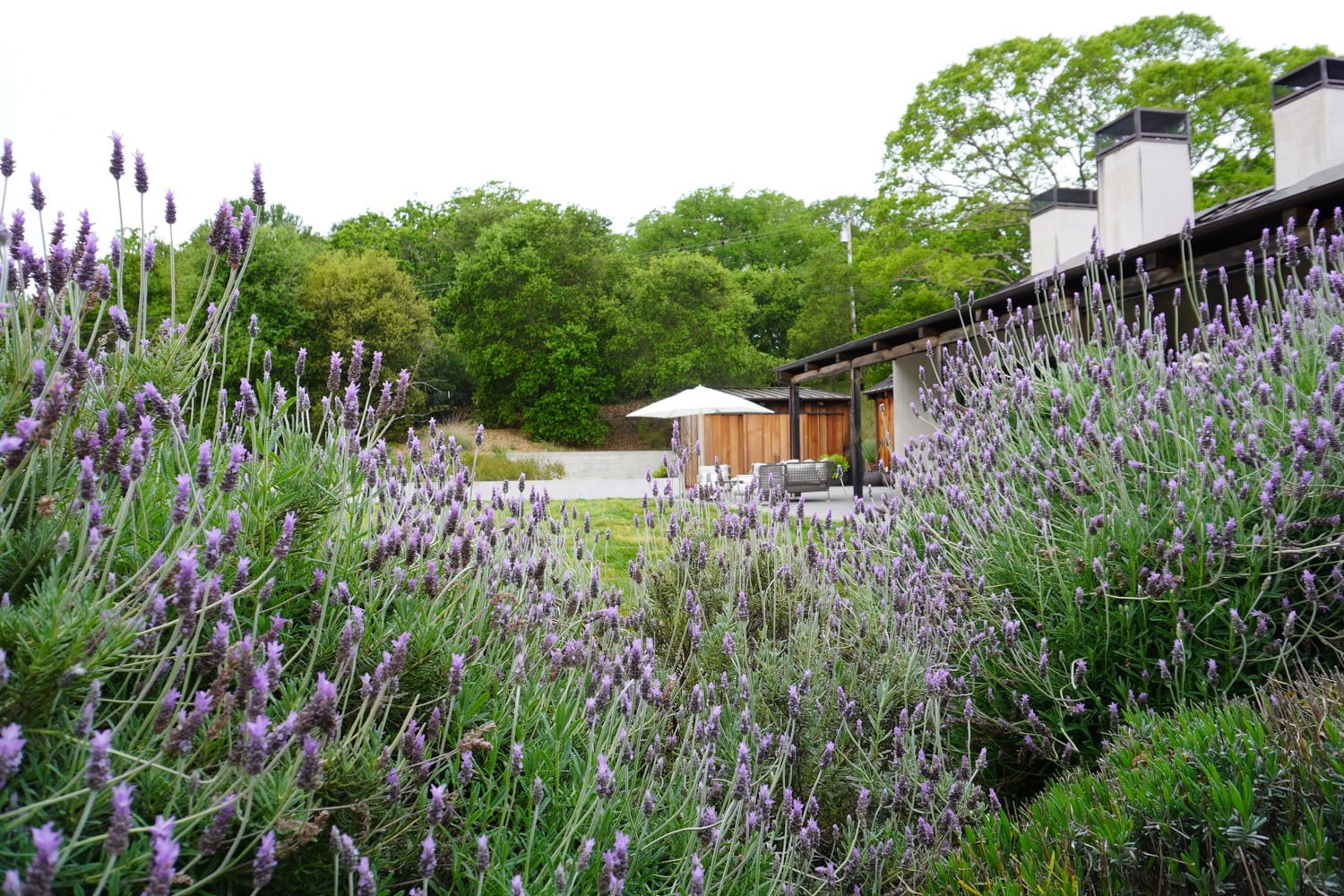
Woodside’s microclimate is generally mild but can vary significantly from one property to another. Some areas experience cooler coastal influence and morning fog, while others receive more direct sun and warmth. Soil conditions can also vary widely, especially on larger lots with natural topography.
Choosing plants suited to the Bay Area climate helps ensure long-term success. Native and Mediterranean-style plantings often perform well because they tolerate dry summers and mild, damp winters. Evergreen trees and shrubs provide structure throughout the year, while seasonal plantings can add interest without requiring constant replacement.
When selecting plants, consider not just how they look today but how they will mature over time. Large landscapes require long-term thinking so that trees and shrubs enhance the space rather than overwhelm it.
Create Defined Garden Zones
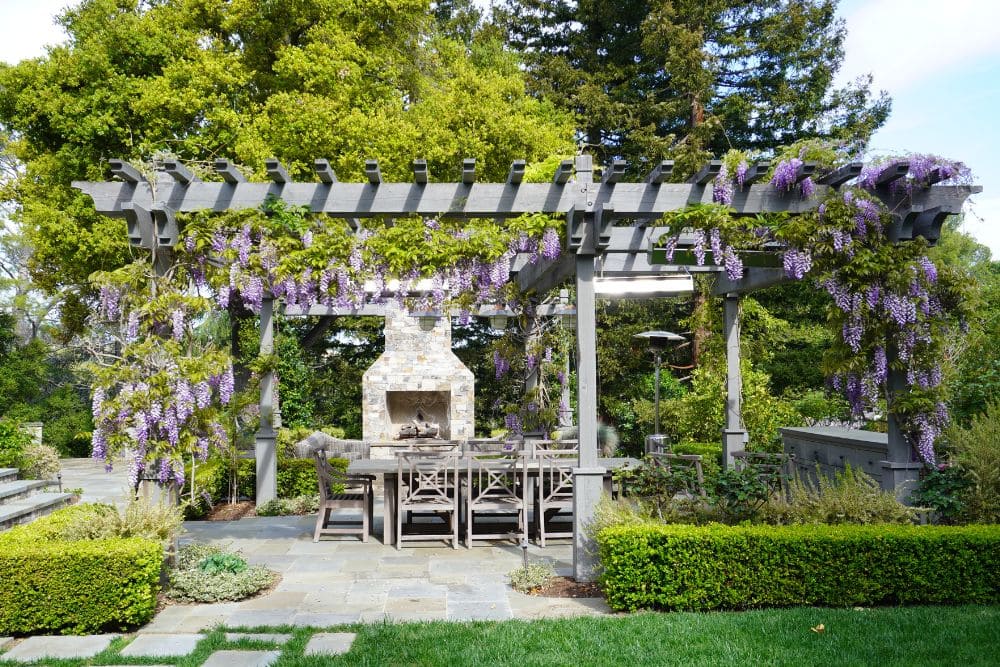
Large properties can feel overwhelming if everything is open and undefined. Creating distinct outdoor “rooms” helps break the space into manageable and inviting areas. This might include a shaded seating garden, a formal entry landscape, a lawn for gatherings, or a more natural planting area toward the edges of the property.
Paths and walkways play an important role in connecting these zones. Well-placed pathways encourage movement and help the landscape feel intentional rather than scattered. Materials should complement the architecture of the home and blend naturally with the surroundings.
Layering plant heights from ground covers to shrubs to canopy trees also helps define spaces and create visual depth. This technique brings a sense of order and calm to larger gardens.
Plan for Privacy Without Blocking Light
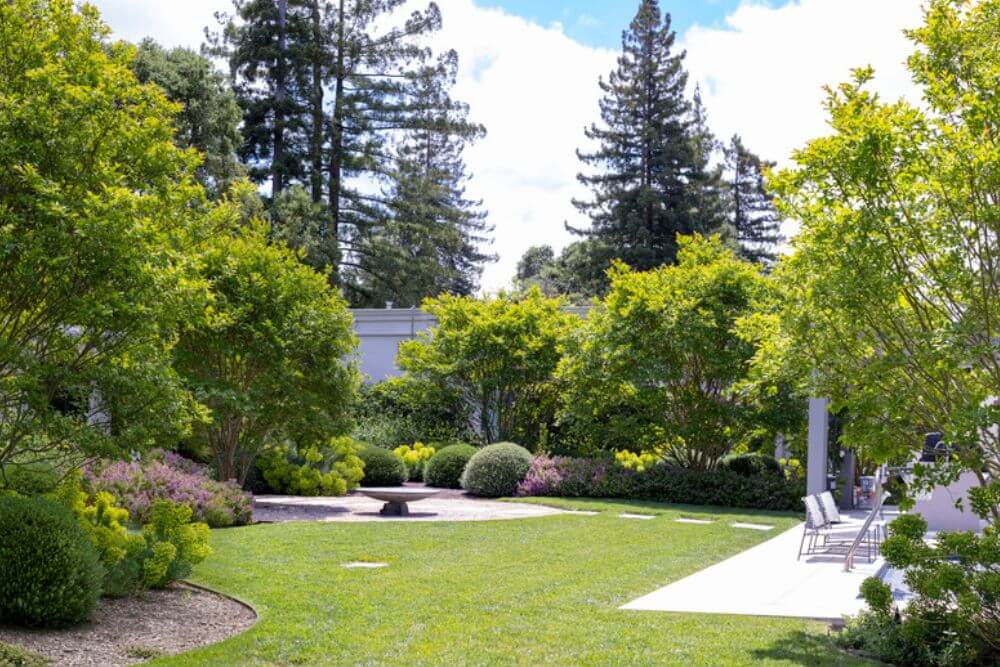
Privacy is often a priority for Woodside homeowners, especially on properties where neighboring homes or roadways are nearby. The key is to create screening that feels natural rather than closed off.
Evergreen hedges, layered plantings, and strategically placed trees can provide privacy while still allowing light and airflow. Mixing plant varieties adds visual interest and avoids the rigid appearance of a single-species hedge.
Privacy planning is most effective when considered early in the design process. This allows screening elements to feel integrated rather than added on later.
Design Outdoor Living Spaces That Feel Comfortable
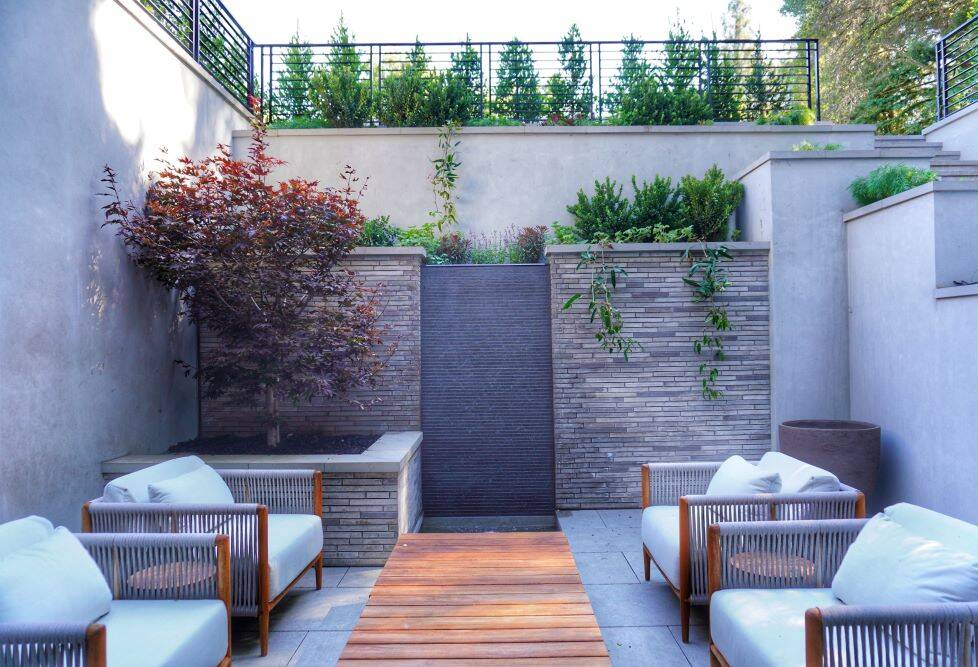
Large properties offer the perfect opportunity to create outdoor spaces that support everyday living. Seating areas, dining spaces, and garden lounges can extend the usability of the landscape throughout the year.
When planning outdoor living areas, think about proximity to the home, access to shade, and views across the property. Natural materials such as stone, wood, and gravel often blend best with Woodside’s surroundings and age gracefully over time.
Subtle lighting can also enhance usability and ambiance in the evening without overpowering the landscape. Soft illumination along pathways or under trees creates a welcoming atmosphere and improves safety.
Choose Low-Maintenance Strategies Where Possible
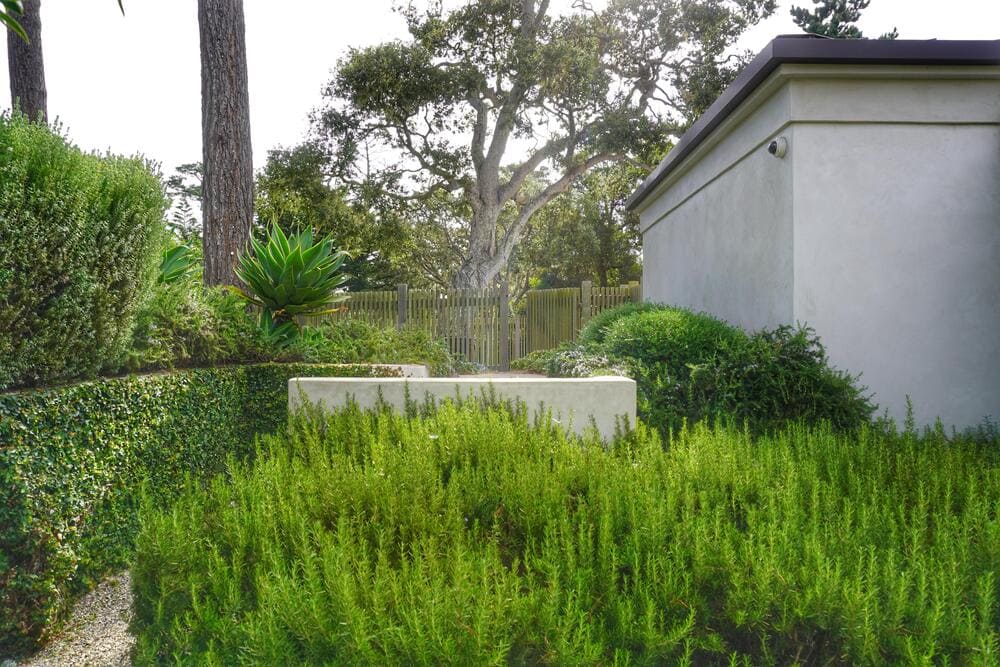
Maintaining a large garden requires thoughtful plant selection and practical design choices. While every landscape needs care, certain strategies can make ongoing maintenance more manageable.
Group plants with similar water and sunlight needs together. Use mulch to retain soil moisture and suppress weeds. Consider installing efficient irrigation systems that adjust seasonally to conserve water while keeping plants healthy.
Open lawns can be beautiful but require consistent care. In some areas, replacing portions of lawn with meadow plantings or drought-tolerant ground covers can reduce maintenance without sacrificing visual appeal.
Understand the Scale of Planting
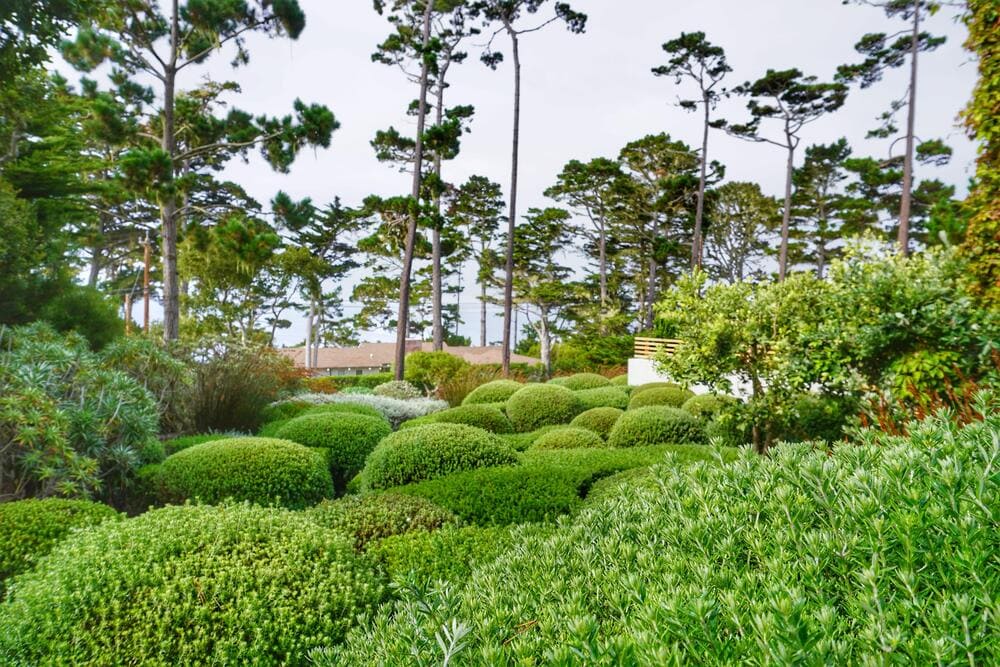
Plant scale is especially important in large landscapes. Small plants placed across a wide space can feel scattered, while appropriately sized trees and shrubs provide structure and balance.
Using a mix of mature trees, understory plantings, and ground covers creates a layered effect that feels established and cohesive. Over time, this approach allows the garden to grow into its surroundings rather than feeling temporary.
When homeowners search for landscape designers near me, they are often looking for guidance on achieving this kind of balance ensuring that plantings feel proportionate to the property and architecture.
Think Long-Term About Maintenance
Even the most beautifully designed landscape requires ongoing care. Planning for maintenance from the beginning helps protect the investment and keeps the garden looking its best.
Seasonal pruning, irrigation adjustments, soil health management, and plant replacement should all be considered part of the lifecycle of a large landscape. Establishing a clear maintenance plan ensures the garden continues to mature gracefully.
Large properties benefit from consistency. Regular attention prevents small issues from becoming larger problems and helps maintain the original design intent.
Bringing It All Together
Garden landscaping for large properties in Woodside is about more than filling space with plants. It’s about creating a landscape that feels balanced, purposeful, and connected to its environment. With thoughtful landscape planning, the right plant choices, and a clear vision for how the space will be used, large gardens can become some of the most rewarding and enduring parts of a property.
Taking the time to plan carefully and work with the natural conditions of the Bay Area allows these landscapes to evolve in a way that feels both refined and relaxed. Over time, a well-designed garden becomes not just an outdoor space, but an integral part of how a home is experienced and enjoyed.