
Leggy or etiolated houseplants are a common concern for homeowners in Atherton, especially in homes with large interiors, shaded rooms, or seasonal shifts in natural light. While the Bay Area offers generally favorable growing conditions, indoor plants can still struggle when their light needs are not properly met.
At its core, leggy growth is a plant’s response to insufficient light. Understanding how light behaves inside your home—and choosing the right plant and container for the right place—can make a significant difference. As an Atherton landscape design company working across both indoor and outdoor environments, we often see that small adjustments lead to healthier, fuller plants.
Why Houseplants Become Leggy
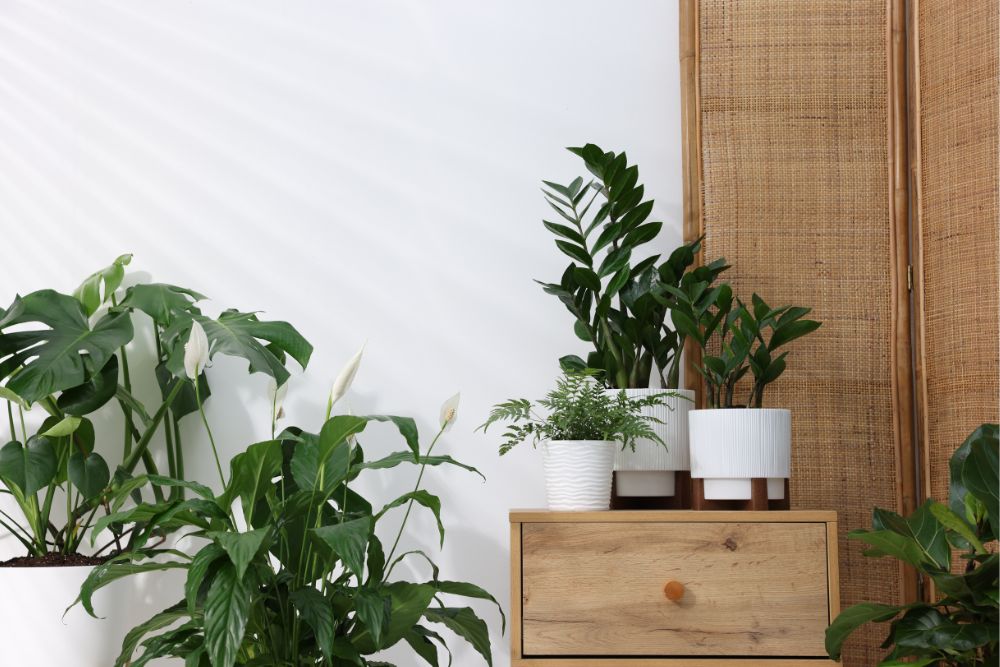
The most common cause of leggy growth is low or inconsistent light. When a plant doesn’t receive enough sunlight, it stretches toward the nearest source, producing long stems and sparse foliage. This growth pattern weakens the plant over time and affects its overall appearance.
In Atherton homes, light conditions can vary dramatically depending on window orientation, overhangs, surrounding trees, and seasonal sun angles. South-facing windows typically provide the brightest and most consistent light and are often the best location for sun-loving houseplants.
Being mindful of light availability before purchasing a plant helps reduce the risk of etiolation. Choosing a plant that matches the natural light of your home is just as important indoors as it is in professional landscape design outdoors.
How to Reset a Leggy Houseplant
If a plant has already become leggy, relocation alone may not be enough. Trimming elongated stems or fronds before moving the plant to a brighter location can act as a reset. This encourages the plant to redirect its energy into producing compact, healthy new growth rather than continuing to stretch.
Once placed in improved light conditions, new growth should appear denser and more balanced. This approach mirrors the same principles used by any expert landscape designer when rejuvenating stressed plants in a garden setting.
Not All Plants Need the Same Light
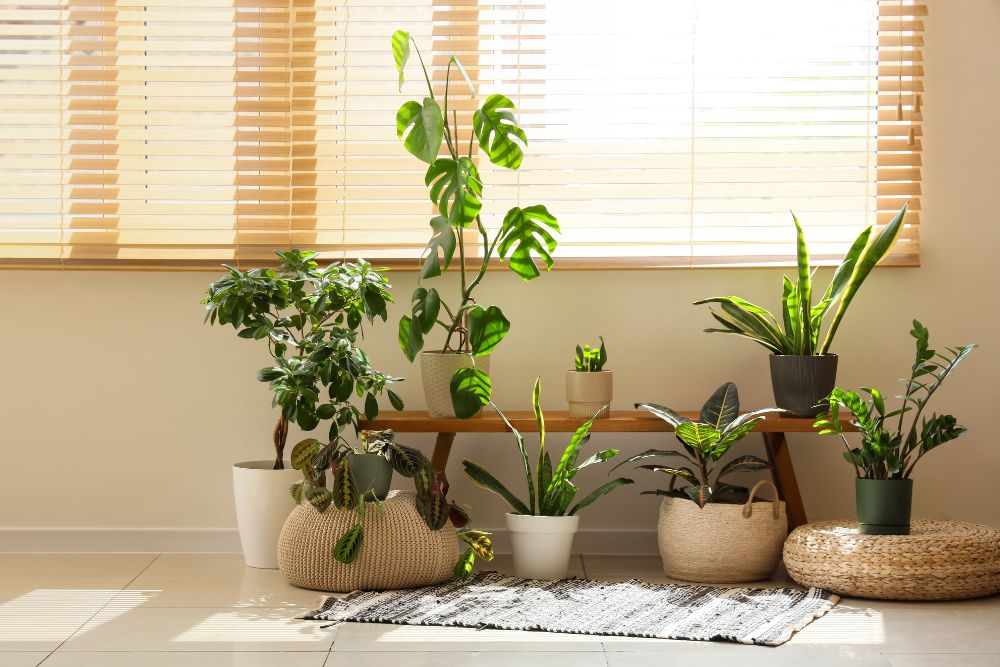
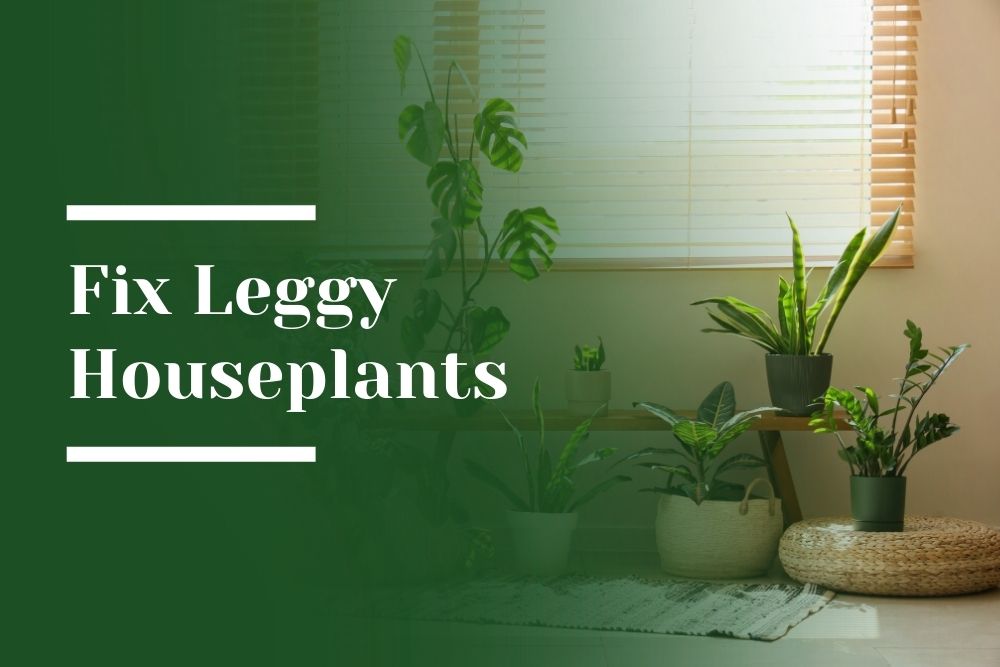
One common mistake is assuming all houseplants need high light. Some species thrive in low-light conditions and may actually decline in bright sun. Plants like Snake Plant (Mother-in-Law’s Tongue) and Peace Lily can tolerate minimal direct sunlight and are better choices for shaded interiors.
Selecting plants based on light conditions—rather than aesthetics alone—is a core principle of successful landscape design services, whether indoors or outdoors.
Using a Light Meter to Make Better Choices
A light meter is a practical tool for understanding how much light different areas of your home receive. These devices use sensors to measure light intensity and convert it into easy-to-read values.
For home gardeners, light meters remove the guesswork. If you’re unsure whether a location will support a specific plant, testing the space helps determine if the light is sufficient. This is especially useful in homes where light levels change throughout the day or vary by season.
For best results, test the same area in the morning, afternoon, and across different seasons. This provides a more accurate picture of long-term light conditions and helps prevent future issues with leggy growth.
Choosing Between Pots and Planters
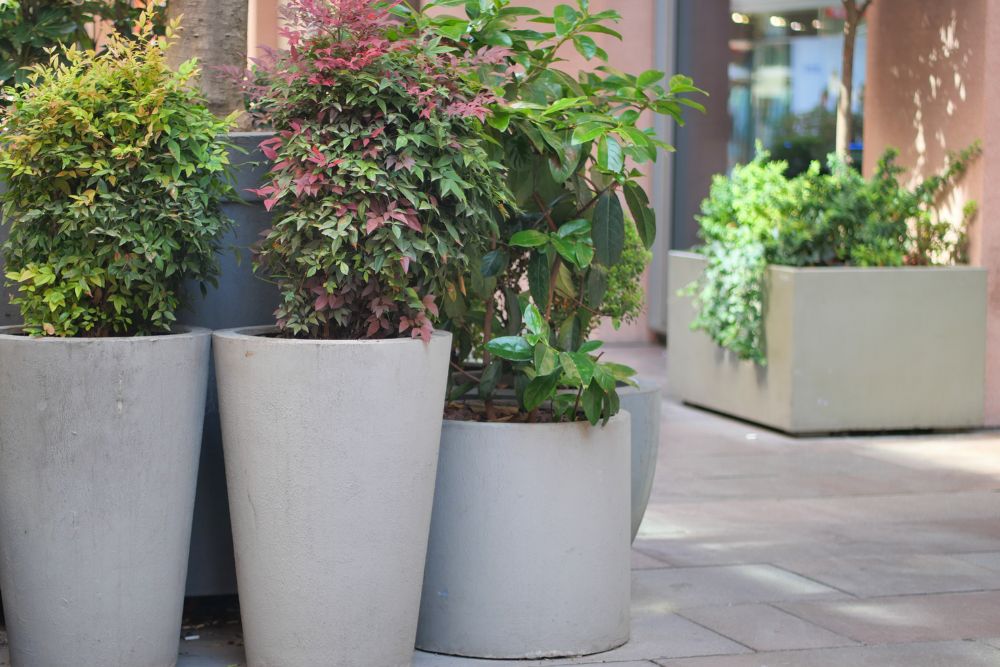
Container choice also plays a role in plant health. In professional gardening and landscape design, pots typically refer to smaller containers used for single plants or small groupings, while planters are larger, elongated containers designed for multiple plants.
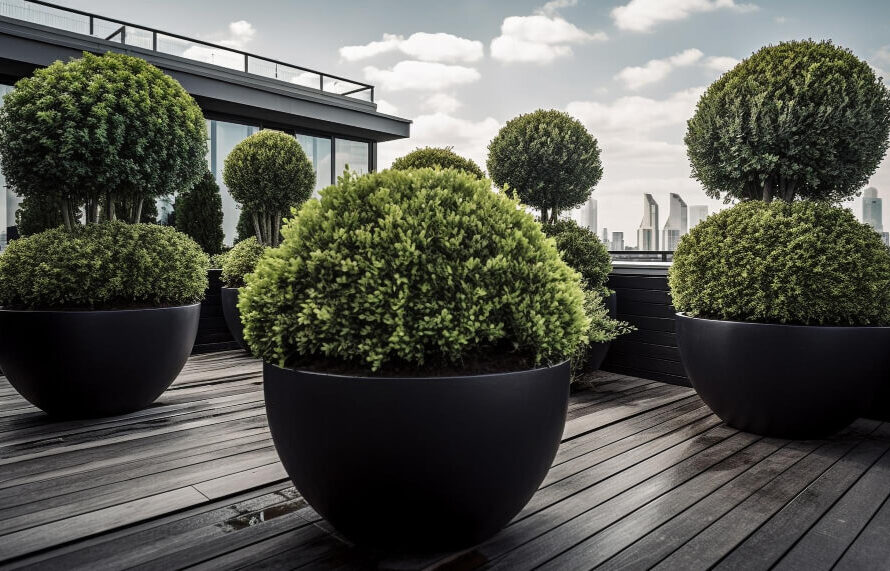
Planters are ideal for balconies, patios, and small vegetable or herb gardens, especially when seasonal planting changes are planned. Pots are better suited for individual plants, small trees, or specimens that require focused care.
Understanding this distinction helps homeowners make smarter decisions when designing interior plant layouts or integrating plants into broader estate environments.
When and Why to Repot Houseplants
Many houseplants are sold in undersized containers meant for retail display rather than long-term growth. Leaving plants in these containers for too long can cause them to become rootbound, limiting water and nutrient uptake.
Repotting into a larger pot or planter shortly after bringing a plant home gives it room to establish and thrive. When repotting, it’s important to consider the plant’s mature size. A large ficus, for example, will quickly outgrow a small container if its eventual height and spread are not planned for.
This same foresight is central to professional Atherton landscape design services, where plants are selected not just for how they look today, but for how they will perform years into the future.
Encouraging Long-Term, Healthy Growth
Fixing leggy houseplants isn’t about quick fixes—it’s about alignment. Matching plants to light conditions, using appropriate containers, and adjusting care as seasons change all contribute to stronger, fuller growth.
At Petrus Landscape, we approach indoor plant care with the same philosophy used in estate landscapes: choosing the right plant for the right place. Whether through thoughtful container selection, proper placement, or long-term planning, these principles help ensure plants remain healthy and visually balanced.
With a little observation and the right tools, Atherton homeowners can restore leggy houseplants and enjoy indoor greenery that looks intentional, resilient, and well cared for.