

Indoor plants are a staple in many Palo Alto homes. From modern condos to spacious single-family residences, houseplants add warmth, improve air quality, and enhance everyday living. With sustainability top of mind for many Bay Area homeowners, it’s common to ask practical questions about water use—especially during drier months.
One question we hear more often is: Is it safe to water houseplants with dehumidifier water?
The short answer is yes—in most cases, dehumidifier water can be safely used on houseplants. However, there are important considerations to keep in mind to ensure your plants stay healthy and thriving. This guide explains how dehumidifier water works, which plants benefit most, when to avoid using it, and best practices for Palo Alto homes
Understanding Dehumidifier Water
A dehumidifier works by pulling moisture from the air, condensing it into liquid water, and collecting it in a reservoir. Unlike tap water, this condensed water hasn’t passed through pipes or municipal treatment systems.
As a result, dehumidifier water is naturally very low in minerals, making it similar in composition to rainwater or distilled water—though it’s not sterile.
This low mineral content is what makes dehumidifier water appealing for certain houseplants, especially those sensitive to salts and mineral buildup.
Why Dehumidifier Water Can Be Good for Houseplants
1. Low Mineral Content Benefits Sensitive Plants
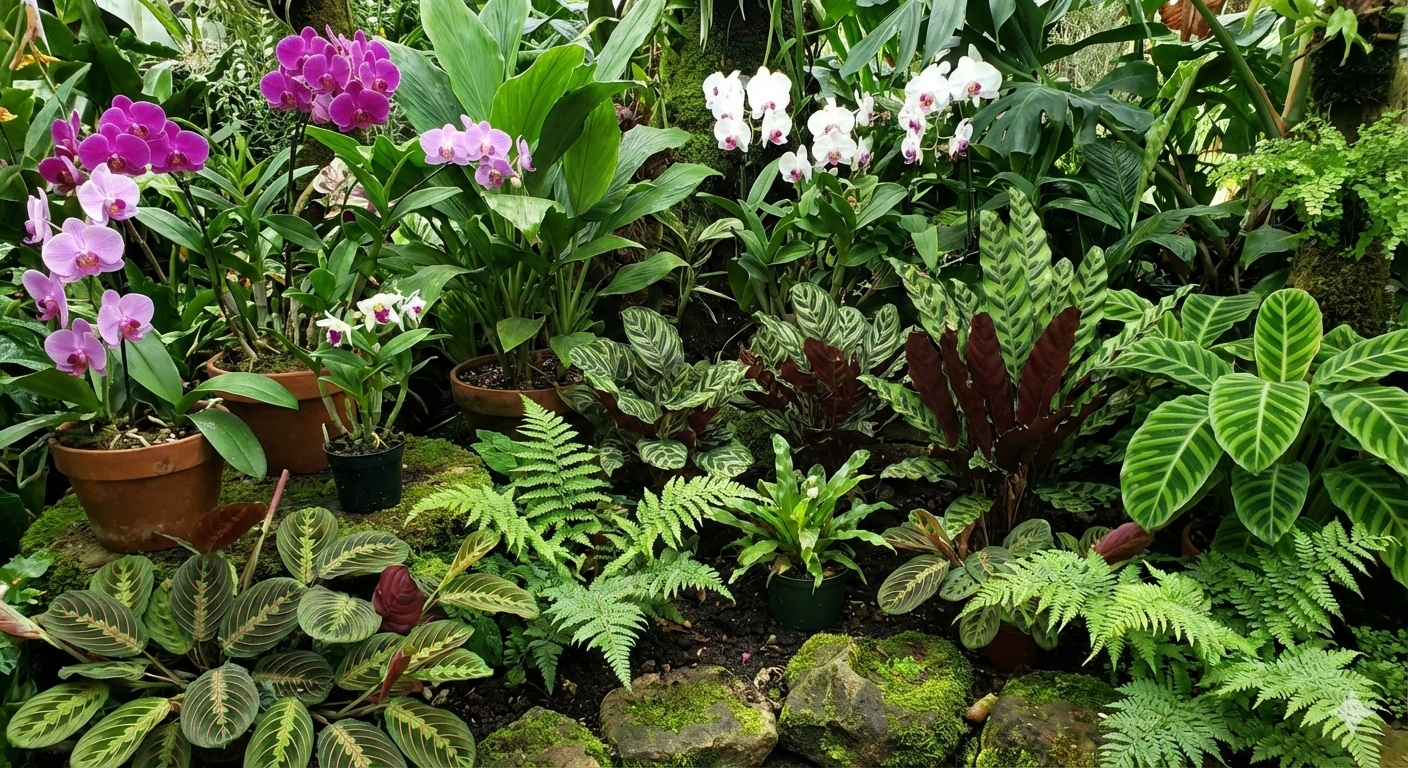
Many common houseplants tolerate tap water just fine, but some are sensitive to dissolved minerals. Plants like:
Orchids
Tropical foliage plants
Calatheas and marantas
Ferns
often prefer water with low mineral content. In these cases, dehumidifier water can actually be preferable to hard tap water.
For Palo Alto homeowners living in areas with naturally hard water, this can be a helpful alternative that reduces mineral buildup in soil and on leaves.
2. Sustainable Water Option
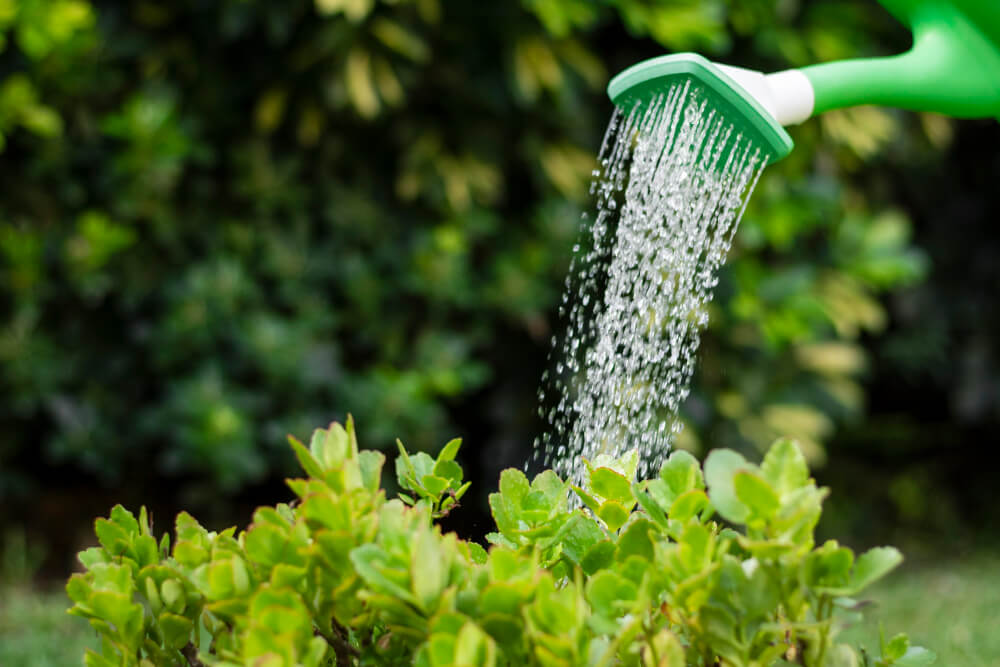
Using dehumidifier water is a smart way to reuse water that would otherwise go down the drain. While it won’t replace all household watering needs, it’s an efficient choice for indoor plants and aligns well with water-conscious living in the Bay Area.
3. Comparable to Rainwater in Best-Case Scenarios
When used correctly, fresh dehumidifier water can perform just as well as rainwater for houseplants. Many plants respond positively, especially tropical species that naturally grow in humid, rain-fed environments.
Potential Risks to Be Aware Of
While dehumidifier water is generally harmless, there are a few situations where caution is necessary.
1. Water That Sits Too Long Can Grow Bacteria
If dehumidifier water is allowed to sit in the reservoir for extended periods, it can develop bacteria or mold. Using stagnant water repeatedly may lead to:
Root stress
Fungal growth in soil
Declining plant health over time
This is especially important in warm indoor environments where bacteria can multiply quickly.
2. Older Dehumidifiers May Leach Metals
Older dehumidifier units may have worn or corroded metal coils. Over time, trace metals or unwanted residues can leach into the collected water.
If your dehumidifier is older or poorly maintained, it’s best to avoid using the water for plants altogether.
3. Not Recommended for Edible Plants
Even though dehumidifier water may be fine for ornamental houseplants, it’s best not to use it on vegetables, herbs, or anything you plan to eat. Because the water isn’t treated or tested, it’s safer to stick with clean, potable water for edible plants.
Which Houseplants Are Best Suited for Dehumidifier Water?
Dehumidifier water works best for non-edible indoor plants, particularly:
Orchids (especially epiphytic varieties)
Tropical plants like monstera, philodendron, and pothos
Ferns and humidity-loving foliage plants
Decorative container plants
These plants often respond well to low-mineral water and may show fewer signs of leaf burn or salt buildup over time.
Best Practices for Palo Alto Homeowners
To safely use dehumidifier water on houseplants, follow these simple guidelines:
Use the Water Fresh
Empty the reservoir regularly and use the water soon after collection. Avoid storing it for long periods.
Keep Your Dehumidifier Clean
Clean the tank and internal components as recommended by the manufacturer to prevent bacterial buildup.
Know Your Equipment
If your dehumidifier is newer and well-maintained, the water is generally safer to use. Older units may pose more risk.
Watch Your Plants
If plants show signs of stress—yellowing leaves, slowed growth, or soil issues—switch back to tap or filtered water.
Avoid Edibles
Stick to ornamental houseplants only; do not use dehumidifier water on vegetables or herbs.
How This Applies to Palo Alto Homes
Palo Alto homes often rely on indoor climate control during cooler or damp months, making dehumidifiers common in basements, bathrooms, and living areas. With generally moderate humidity levels and variable water hardness across neighborhoods, dehumidifier water can be a useful supplemental option for indoor plant care when used responsibly.
For homeowners who prioritize sustainability and thoughtful plant care, this approach can fit seamlessly into daily routines—without compromising plant health.
So, is dehumidifier water safe for houseplants?
For most Palo Alto homeowners, the answer is yes—with proper care and awareness.
In the best-case scenario, your plants will respond just as well as they would to rainwater, especially tropical plants and orchids that prefer low-mineral moisture. In the worst-case scenario, problems only arise when water is left sitting too long, equipment is outdated, or cleanliness is neglected.
By keeping your dehumidifier clean, using the water promptly, and limiting it to ornamental plants, you can confidently reuse this resource while keeping your houseplants healthy and thriving.
If you’d like help caring for indoor or outdoor plants as part of a larger landscape plan, working with professionals who understand plant health at every level makes all the difference.