

Winter may feel quiet in the garden, but what happens to your lawn during the colder months can have a lasting impact on how it looks and performs in spring. For Saratoga homeowners, where winters are generally mild but still include frost, damp mornings, and cooler soil temperatures, proper winter lawn care is about protection rather than growth.
Understanding how grass behaves in winter—and how everyday activities like walking or pet traffic affect it—can help you avoid common damage and set your lawn up for a strong recovery when warmer weather returns.
Lawn Dormancy in Winter

During winter, most lawns enter a dormant phase. Grass growth slows significantly, and energy is stored in the roots rather than the blades. In this state, lawns may appear less vibrant and are often covered in frost on cold mornings.
Dormant lawns are not dead, but they are more vulnerable to stress. Compacted soil, repeated pressure, and poor drainage during this time can all impact how well the lawn rebounds in spring.
Foot Traffic and Frost: What’s Safe and What’s Not
Occasional foot traffic on a frosty or frozen lawn typically won’t cause long-term damage. Walking across the lawn once or twice during winter is usually harmless, especially when the grass is fully dormant.
Problems begin when the same path is used repeatedly. If you regularly walk across the lawn to access your home or garden, or if pets follow the same route daily, pressure on frost-covered grass can damage the blades and compact the soil below. Over time, this stress may not be visible immediately but can show up months later.
Snow-covered lawns are generally less of a concern. Walking on snow usually does not harm grass since the snow acts as a protective layer, distributing weight more evenly.
Signs of Winter Lawn Damage
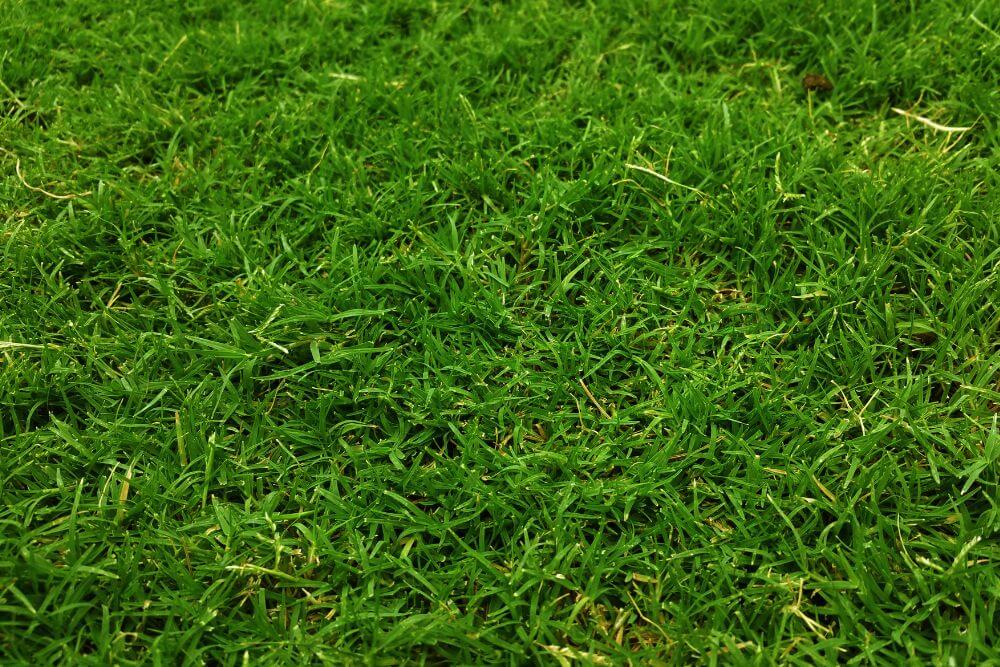
Damage caused during winter often becomes noticeable in spring or early summer. Common signs include:
Yellow or dead patches that fail to green up
Thin or worn paths where grass struggles to grow
Uneven turf with patchy or weak growth
Areas prone to disease due to compacted soil and poor airflow
These symptoms often trace back to frost damage combined with repeated foot traffic or poor winter conditions.
Early Spring: The Most Sensitive Time for Lawns
One of the most critical periods for lawn care is early spring. As grass begins to emerge from dormancy, it is especially vulnerable. Walking on the lawn during this transition—particularly if there is a late frost—can leave visible footprints that turn brown or yellow and linger for weeks.
Avoid unnecessary traffic during this phase whenever possible. This small step can make a noticeable difference in how evenly your lawn greens up.
Helping Your Lawn Recover After Winter

Even if your lawn experiences winter damage, proper spring maintenance can restore its health. Essential tasks include:
Light dethatching to remove built-up debris
Fertilizing to support new growth
Aerating compacted areas to improve airflow and water absorption
Overseeding thin patches to encourage uniform coverage
These steps help the lawn recover from stress and promote stronger root development for the growing season ahead.
Smart Winter Lawn Care Makes a Difference
For Saratoga homeowners, winter estate lawn care is less about doing more and more about avoiding unnecessary harm. Limiting repeated foot traffic, being mindful during frost events, and preparing for spring maintenance can all contribute to a healthier, more resilient lawn.
By respecting the lawn’s dormant phase and planning ahead, you can enjoy greener, fuller turf when spring arrives.