
Privacy is often one of the first priorities when designing a garden for a larger property. In Saratoga, many homes sit on spacious lots surrounded by beautiful views and mature landscapes. While open space is part of the charm, homeowners often want outdoor areas that feel calm, sheltered, and comfortable.
Creating that sense of privacy does not always require tall walls or heavy fencing. In many estate gardens, thoughtful planting can provide a more natural solution. By layering trees, hedges, and lower planting, it is possible to shape outdoor spaces that feel protected while still remaining open and inviting.
This approach is common in high end garden design throughout the Bay Area. With careful placement and planning, trees and hedges can form the structure of the garden while supporting long term beauty and balance.
Why Layering Works Well for Estate Gardens
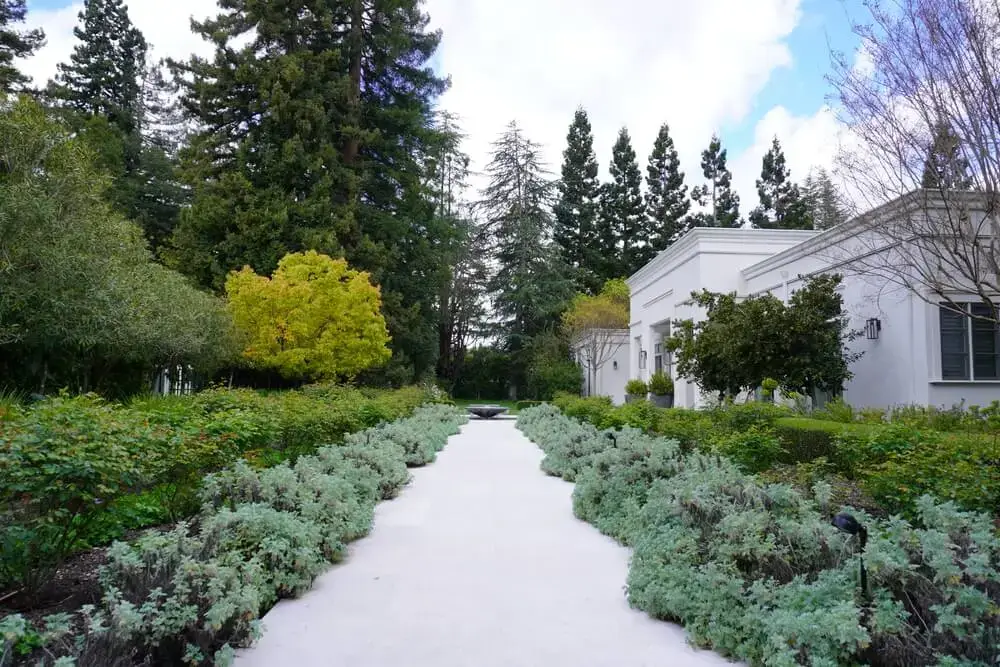
Layered planting is one of the most effective techniques used in estate garden design. Instead of relying on a single row of plants or a solid barrier, the landscape is built in layers of different heights and textures.
This method adds depth to the garden. When you move through the space, your eye sees a sequence of plantings rather than a single flat wall of greenery. The result feels more natural and visually interesting.
Layering also improves privacy in a subtle way. Trees create the upper canopy, hedges fill the middle level, and lower plants soften the edges. Together, these elements create a sense of enclosure without completely blocking views or sunlight.
Many homeowners appreciate this style of privacy landscaping because it blends seamlessly into the surroundings. It feels like part of the landscape rather than something added purely for screening.
In luxury garden design, layering also allows the garden to change through the seasons. Different plants bloom or shift color at different times, creating an outdoor environment that continues evolving throughout the year.
Using Trees to Create the Upper Layer
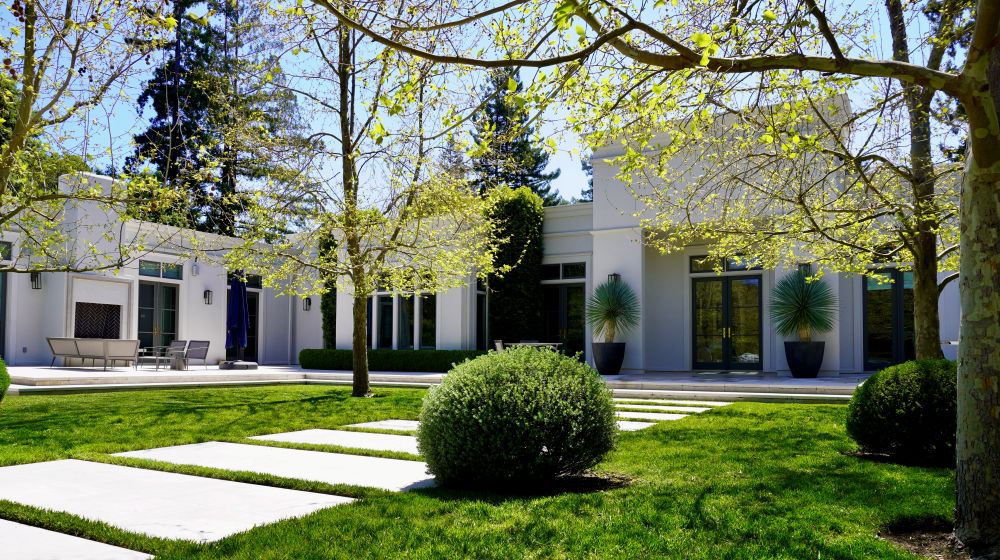
Trees are often the first element considered when shaping a garden. They define the upper layer of the landscape and help establish the overall structure of the space.
In Saratoga, the right trees can provide shade, privacy, and a sense of scale for larger properties. A well placed tree canopy also helps frame views and guide how people experience the garden.
Olive trees are a popular choice in Bay Area landscaping. Their soft gray green foliage and sculptural trunks add character while still allowing light to pass through.
Japanese maples are often used closer to patios or entry gardens. Their delicate branching and seasonal color create a refined focal point within the landscape.
Coast live oak is another tree well suited to the region. These native trees provide strong structure and long term stability while supporting local ecosystems.
Magnolia trees are also commonly used in estate gardens. Their glossy leaves and large flowers bring both beauty and structure to the landscape.
When planning tree placement, spacing and sightlines are important. Trees should frame outdoor spaces without overwhelming them. Thoughtful placement allows them to support both privacy and openness at the same time.
Designing the Hedge Layer
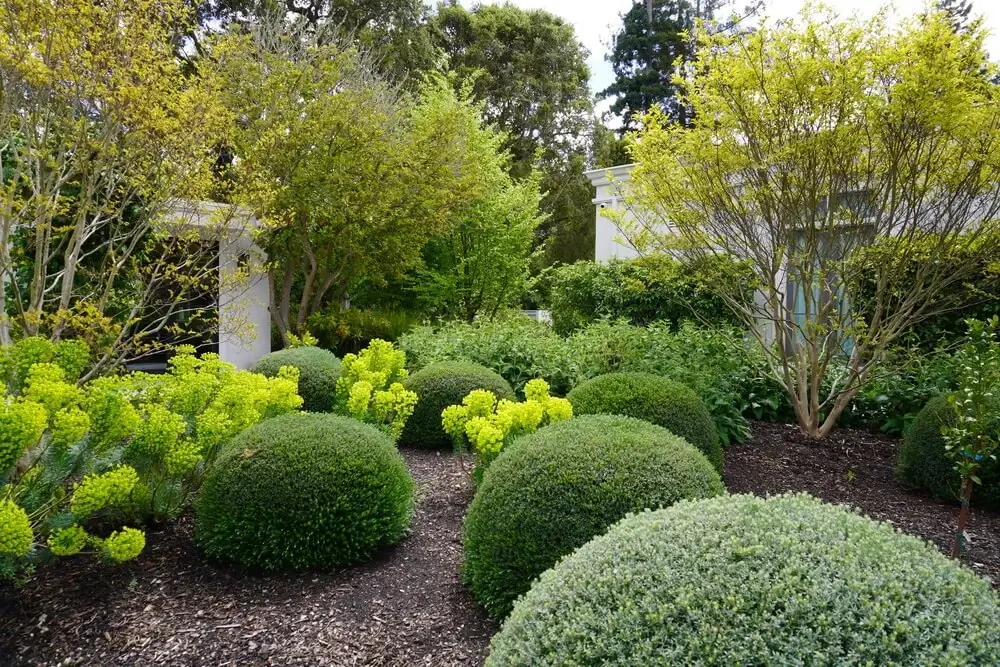
While trees form the upper structure, hedges create the middle layer of the garden. This layer often provides the most direct sense of privacy and enclosure.
Hedges are useful for defining garden rooms, guiding pathways, and creating clear boundaries between different outdoor spaces. In estate gardens, they are often used to shape the layout of the landscape.
Boxwood remains a classic hedge plant. Its dense foliage and tidy appearance make it ideal for formal planting areas or structured garden layouts.
Privet hedges are another reliable option. They grow quickly and can be shaped easily, making them useful for screening property edges or creating private outdoor seating areas.
Podocarpus is popular in modern landscapes. Its vertical growth and dark green foliage create a clean and elegant backdrop for other plants.
Laurel hedges are often used where a taller screen is needed. They provide strong coverage while still maintaining a natural appearance.
One advantage of hedges is their flexibility. They can be trimmed to different heights and shapes depending on the design of the garden. This allows them to support both traditional and contemporary outdoor spaces.
Combining Trees, Hedges, and Planting
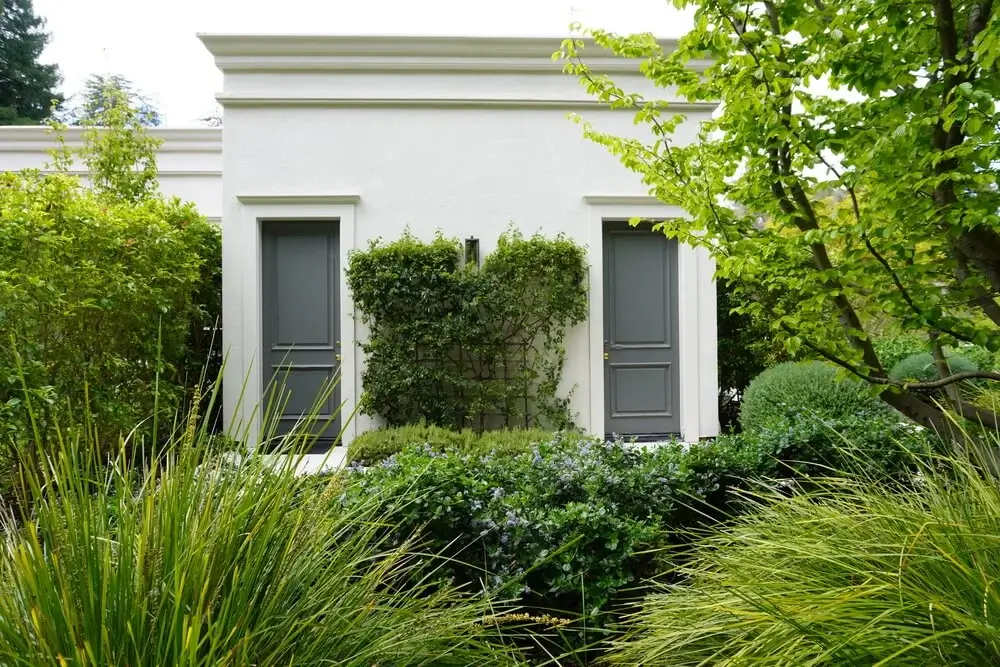
The beauty of layered planting comes from how these elements work together. Trees provide height and shade, hedges create boundaries, and lower plants bring color and texture.
Good garden planning considers how these layers interact over time . A well balanced design might include tall trees along the outer edge of the property, hedges defining pathways and seating areas, and flowering plants closer to patios or entryways. This type of layered planting can also be seen in our Vista Verde estate project, where trees and hedges were carefully arranged along the outer edges of the property to create privacy while maintaining a natural and elegant landscape structure.
Lower planting is often where seasonal color is introduced. Lavender, salvia, roses, and ornamental grasses are commonly used in Bay Area gardens. These plants soften the landscape and add movement to the overall composition.
Texture also plays an important role. Combining broad leaves, fine foliage, and flowering plants helps the garden feel rich and varied.
This combination of height, structure, and seasonal planting is what gives estate gardens their distinctive character. The result is a landscape that feels layered, balanced, and connected to the natural environment.
Why Hire Garden Designers in Saratoga
Designing a layered garden may seem simple at first, but creating the right balance requires careful planning. Plant growth, sunlight, irrigation, and long term maintenance all influence how the landscape develops.
Experienced professionals often help guide this process. When homeowners search for garden designers near me, they are often looking for advice on how to shape larger properties in a way that feels both elegant and practical.
Garden designers consider the entire property before selecting plants. They study the existing terrain, mature trees, and architectural style of the home to develop a plan that fits naturally with the surroundings.
In projects involving landscape architecture Saratoga, the goal is often to create outdoor spaces that feel structured yet relaxed. Designers think about how people will move through the garden, where views should open up, and where privacy is needed most.
This level of planning helps ensure the landscape matures gracefully over time. Trees grow into their intended canopy, hedges fill in without overcrowding, and planting areas remain balanced year after year.
Creating a Private Garden That Feels Natural
Layering trees and hedges is one of the most effective ways to create privacy while maintaining beauty in an estate garden. By combining canopy trees, structured hedges, and seasonal planting, the landscape gains both depth and character.
In Saratoga and across the Bay Area, this approach allows gardens to feel connected to the natural environment while still offering comfort and privacy for homeowners.
Thoughtful plant placement also ensures the garden continues to evolve gracefully as it matures. Instead of relying on rigid barriers, layered planting creates outdoor spaces that feel calm, welcoming, and timeless.
For homeowners planning a new garden or updating an existing property, working with experienced landscape professionals can help bring these ideas together into a design that supports both privacy and lasting beauty.