
April is one of the most rewarding months for planting in the Bay Area. The soil has warmed after winter rains, the days are getting longer, and many plants begin their strongest growth during this time. For homeowners in Woodside, it’s an ideal moment to start shaping a garden that will look vibrant through spring and continue developing through the rest of the year.
A successful garden isn’t built only on what blooms today. Good garden design looks ahead, considering how plants grow, how they interact with the space, and how the landscape will change through the seasons. Choosing plants that thrive in the local climate helps create a landscape that remains healthy and attractive without constant upkeep.
For anyone planning spring garden planting, April offers the perfect opportunity to introduce color, structure, and new life to outdoor spaces across Woodside and the surrounding Bay Area.
Why April Is a Great Time to Plant in Woodside
The climate in Woodside is especially friendly to spring planting. The region’s mild temperatures and Mediterranean style weather patterns create a growing season that starts early and continues well into the fall.
Mild Spring Temperatures
Unlike areas with harsh winters, Woodside rarely experiences severe frost by April. This means many plants can be safely planted without worrying about sudden cold damage. Mild temperatures also help new plants settle into the soil without stress.
Soil Warming After Winter
Winter rains help replenish soil moisture across the Bay Area. By April, the ground has absorbed that moisture and begins to warm up. Warm soil encourages root growth, which helps plants establish themselves quickly.
Longer Daylight Hours
As the days grow longer, plants receive more sunlight. This extra light encourages steady growth and helps flowering plants begin producing buds and blooms.
For homeowners working on garden planning, this combination of warmth, moisture, and sunlight makes April one of the most productive months to introduce new plants to the landscape.
Best Plants to Add to a Woodside Garden in April
When planning seasonal planting ideas, it helps to choose plants that adapt well to the Bay Area climate. The following plants are popular in Woodside landscaping because they offer color, structure, and relatively easy maintenance.
Lavender
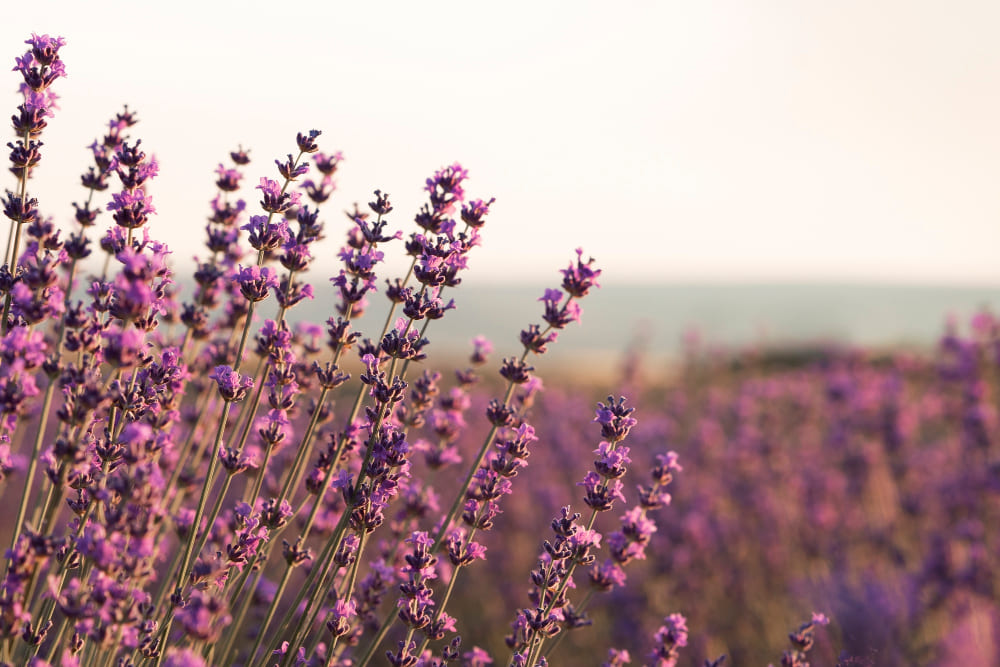
Lavender is a favorite in many Bay Area gardens. It thrives in sunny areas and well drained soil, making it well suited to the region’s dry summers.
Its soft purple blooms and silver green foliage add both color and texture to garden beds. Lavender also requires minimal watering once established, which makes it a practical choice for sustainable Bay Area garden design.
Salvia
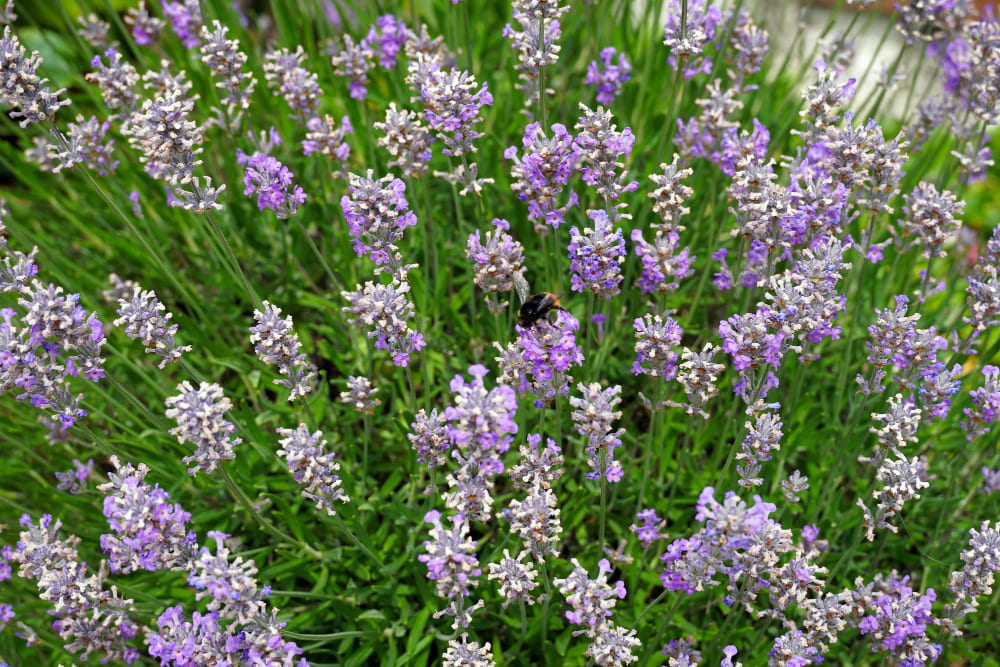
Salvia produces vibrant purple, blue, or red flowers that attract pollinators like hummingbirds and bees. It grows well in warm conditions and continues blooming through much of the season.
This plant works well in mixed planting beds where it adds height and movement. Many varieties are drought tolerant, making them a reliable option for Woodside gardens.
Roses
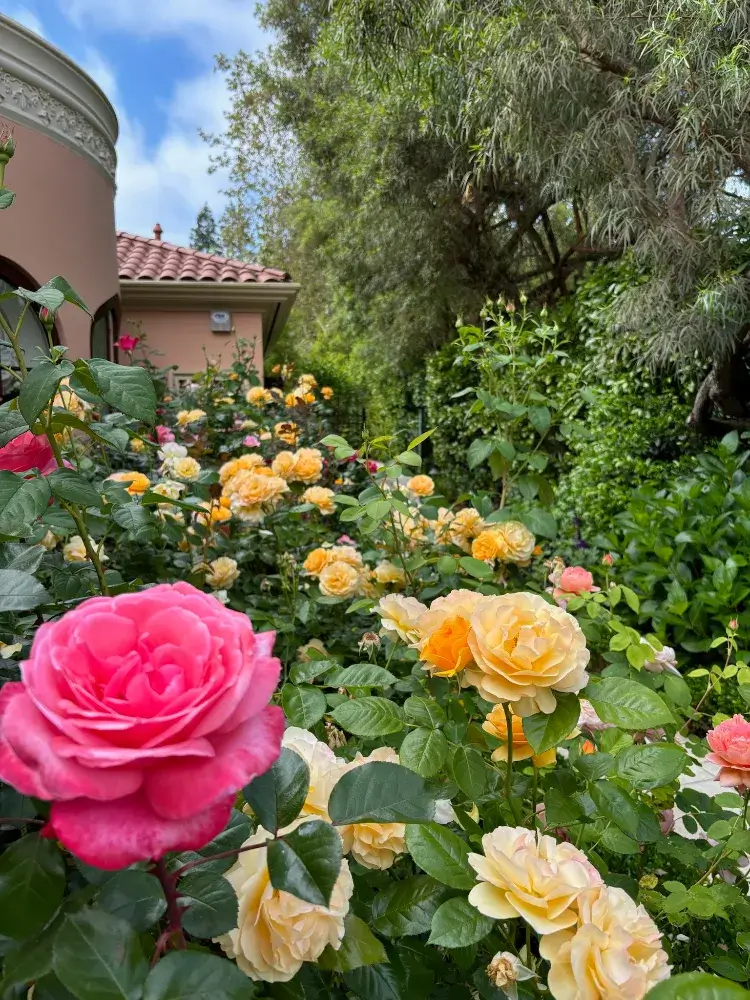
Roses remain a classic element in many traditional landscapes. Planting them in April allows the plants to establish before the summer growing season.
With proper spacing and sunlight, roses can provide long lasting blooms that enhance the visual appeal of front gardens and outdoor gathering areas.
Hydrangeas
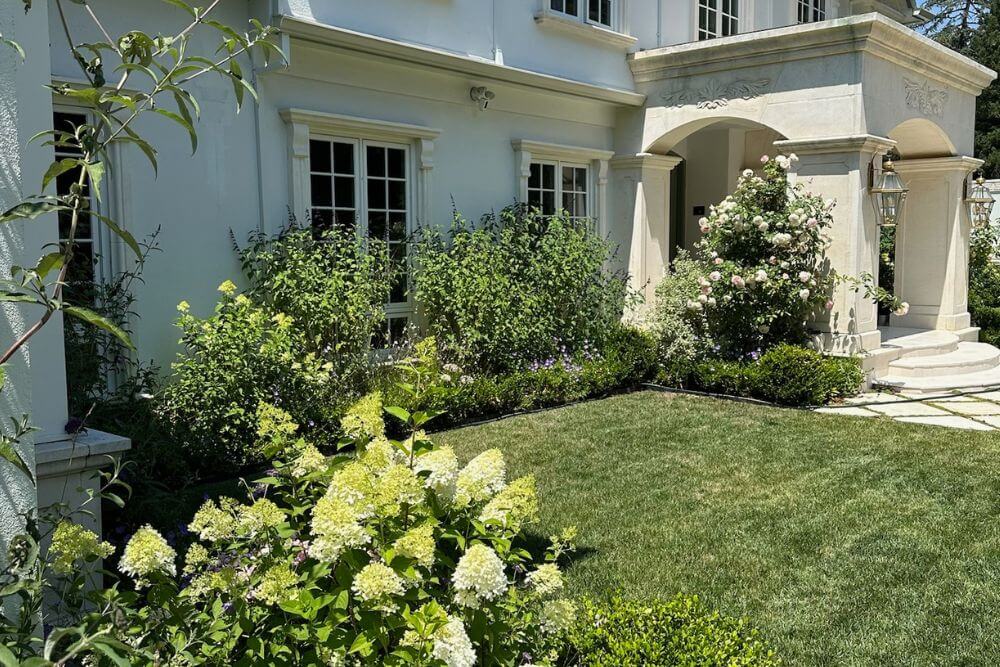
Hydrangeas bring a softer look to the garden with their large, rounded flower clusters. They grow well in partial shade, making them ideal for areas near patios or under trees.
These plants contribute a lush feeling to the landscape and often become focal points in residential gardens.
California Poppies
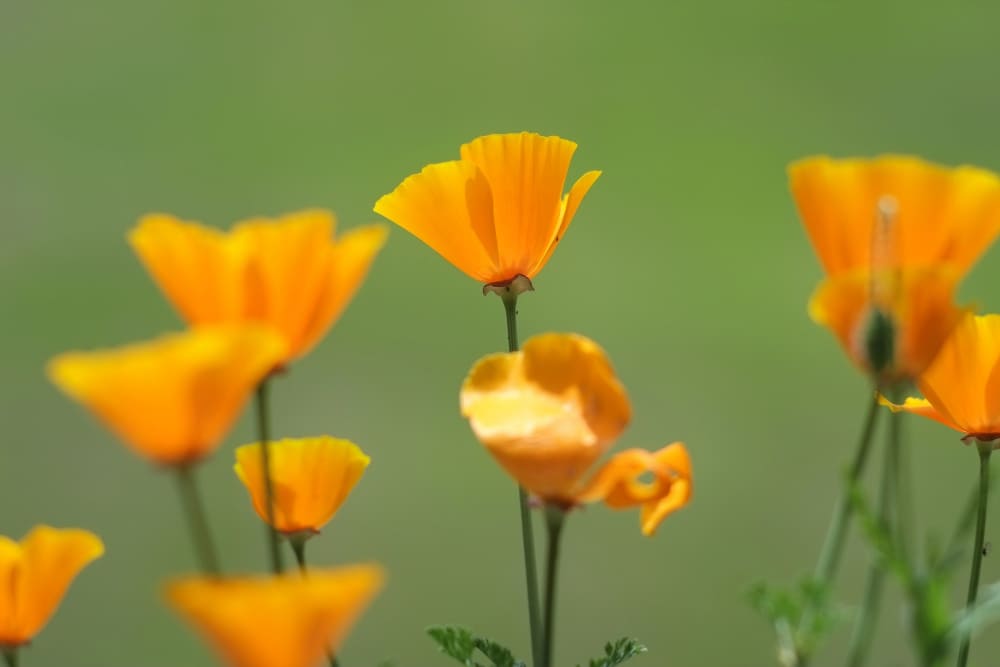
California poppies are a beautiful and low maintenance option for adding bright color. Their golden orange flowers create a natural look that fits perfectly within many Bay Area landscaping styles.
They also thrive in dry conditions and require very little care once established.
Ornamental Grasses
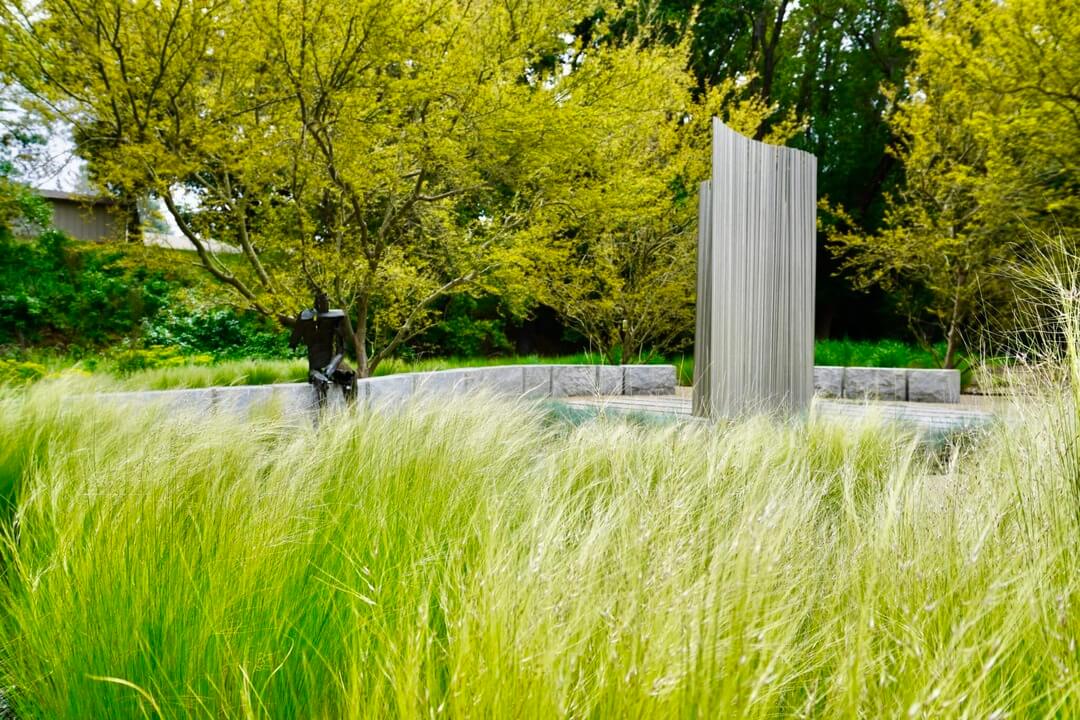
Ornamental grasses add structure and movement to the garden. They work well alongside flowering plants, helping balance the landscape visually.
Their tall, flowing forms create contrast and provide interest even when flowers are not in bloom.
How These Plants Fit Into a Beautiful Garden Design
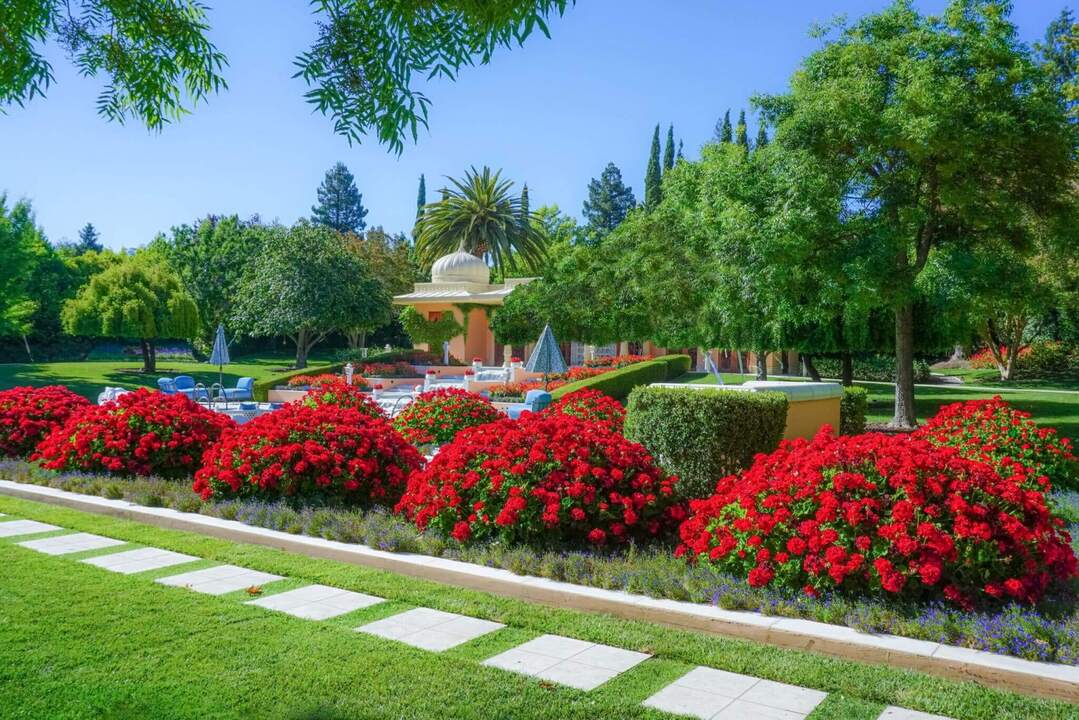
Selecting plants is only part of the process. A well planned landscape considers how plants interact with each other and how they shape the overall space.
One effective approach is layering plants for depth. Taller plants and shrubs can be placed toward the back of planting beds, while lower flowering plants fill the front. This arrangement helps create visual dimension and prevents the garden from appearing flat.
Another key principle is mixing flowering plants with evergreen structure. While flowers bring seasonal color, evergreen shrubs or grasses provide year round stability. This combination keeps the landscape looking balanced even when certain plants are not blooming.
Planning for year round interest is also important in thoughtful landscape design. Some plants bloom in spring, others in summer or fall. By combining a variety of species, the garden continues evolving throughout the year.
Balancing color and texture also helps the garden feel natural rather than crowded. Soft flowers, structured shrubs, and flowing grasses all contribute to a more harmonious landscape.
Tips for Planting and Garden Care in Spring
Successful planting depends not only on choosing the right plants but also on preparing the garden properly.
Prepare the Soil
Healthy soil supports strong root growth. Before planting, it’s helpful to loosen the soil and mix in compost or organic material. This improves drainage and provides nutrients.
Space Plants Properly
Many homeowners underestimate how much space plants need as they grow. Giving each plant enough room helps prevent overcrowding and reduces future maintenance.
Water Early Growth
New plants require consistent watering during their early stages. This helps them establish roots and adapt to their new environment.
Add Mulch
Mulch helps retain soil moisture and regulate temperature. It also reduces weed growth, which makes ongoing garden care easier.
Think About Long Term Growth
One of the most important parts of garden planning is thinking ahead. Plants that seem small at first may grow significantly over time. Designing with future growth in mind keeps the garden balanced and manageable.
Why Many Woodside Homeowners Work With Garden Designers
Designing a garden for a larger property can involve many decisions. From plant selection to layout and irrigation, each element plays a role in how the landscape develops.
Certified garden designers help homeowners think through these decisions carefully. They consider factors such as sunlight, soil conditions, and the overall layout of the property.
Professionals also help create cohesive outdoor spaces where planting, pathways, and seating areas work together naturally. This approach is particularly valuable for estate properties where multiple garden areas must connect visually.
Many homeowners in the area explore luxury landscape design services Woodside when they want a garden that feels both refined and practical. Professional designers often look beyond individual plants and focus on the overall structure of the landscape.
Their goal is to create gardens that evolve gracefully over time while remaining easy to maintain.
Creating a Garden That Grows Beautifully Over Time
April offers one of the best opportunities to begin planting in Woodside. The climate, soil conditions, and daylight all support strong plant growth during this time of year.
Choosing the right plants and arranging them thoughtfully helps create a garden that continues improving as the seasons change. Lavender, salvia, roses, hydrangeas, poppies, and ornamental grasses can all contribute to a landscape that feels vibrant and balanced.
With careful garden planning, outdoor spaces can develop into environments that feel both welcoming and natural.
For homeowners who want guidance in shaping their landscape, working with experienced garden or landscape professionals can help turn early planting ideas into a long term vision for the property.