
Front yards in Menlo Park are changing. Large lawns and tightly trimmed planting are gradually being replaced with landscapes that feel softer, more natural, and better connected to the surrounding environment. Instead of highly formal layouts, many properties now feature layered planting, drought-tolerant gardens, and materials that reflect the character of the Bay Area landscape.
This shift is not only about appearance. Homeowners also want front yards that are easier to maintain and better suited to the local climate. A natural front yard can still feel refined and elegant while requiring less water and long-term upkeep.
In Menlo Park, where mature trees and established neighborhoods already create a strong sense of place, thoughtful front yard landscaping can help a property feel balanced with its surroundings rather than disconnected from them.
Why Natural Front Yard Design Works Well in Menlo Park
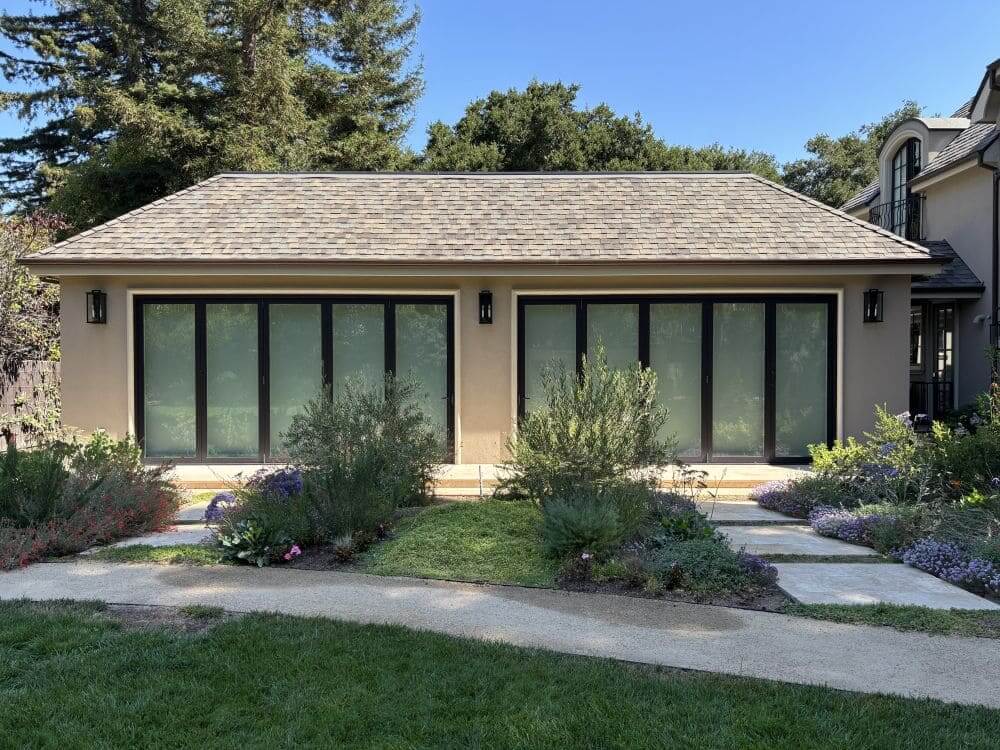
Menlo Park has a landscape character that already leans toward natural beauty. Many streets are lined with mature trees, layered greenery, and homes that blend into the environment rather than dominate it.
The local climate also supports a wide variety of drought-tolerant planting. Dry summers and mild winters allow homeowners to use plants that thrive naturally without excessive watering.
As more homeowners become interested in sustainable outdoor spaces, natural landscape design has become a practical and visually appealing solution. Instead of relying heavily on lawns or highly manicured gardens, many landscapes now focus on texture, movement, and climate-appropriate planting.
This approach works especially well within Menlo Park landscaping because it complements the established character of the area while supporting long-term landscape health.
Use Layered Planting Instead of Large Lawns
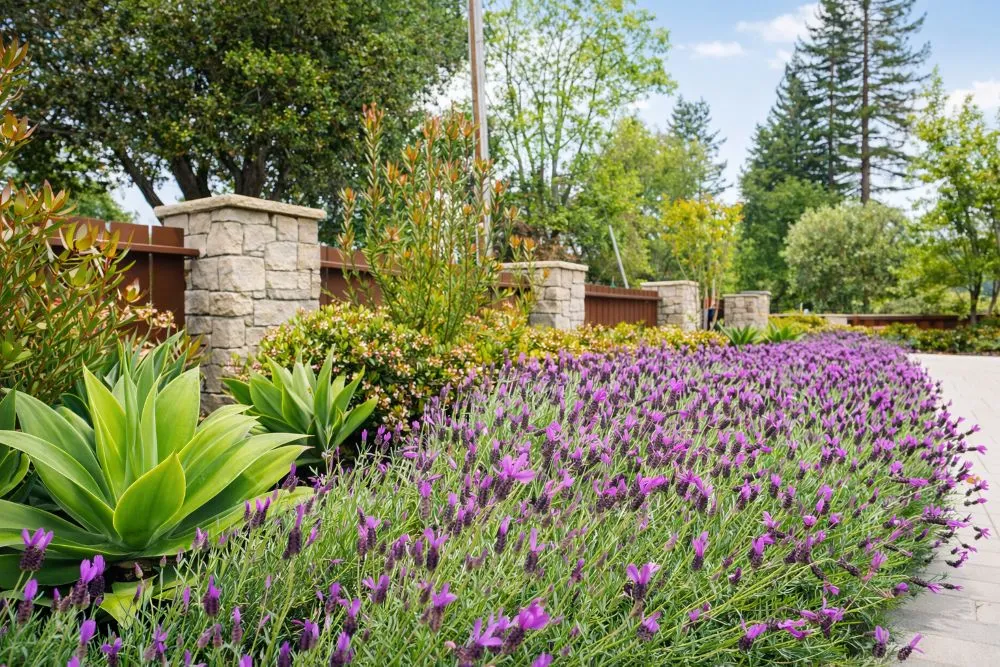
One of the most effective ways to create a natural front yard is to reduce large lawn areas and introduce layered planting.
Ornamental grasses are often used to bring softness and movement into the landscape. Their flowing texture creates a more relaxed appearance than flat turf areas while still looking structured and intentional.
Native plants also work well because they are adapted to local growing conditions and support the surrounding ecosystem. Flowering perennials can be mixed throughout planting beds to add seasonal color and visual interest.
Layered planting creates depth throughout the front yard. Taller shrubs and grasses form the background, mid-sized plants add volume, and lower flowering plants soften the edges near pathways or entryways.
This style of planting helps the landscape feel fuller and more connected to nature. It also reduces the need for large, water-intensive lawn spaces.
Choose Materials That Feel Connected to the Environment
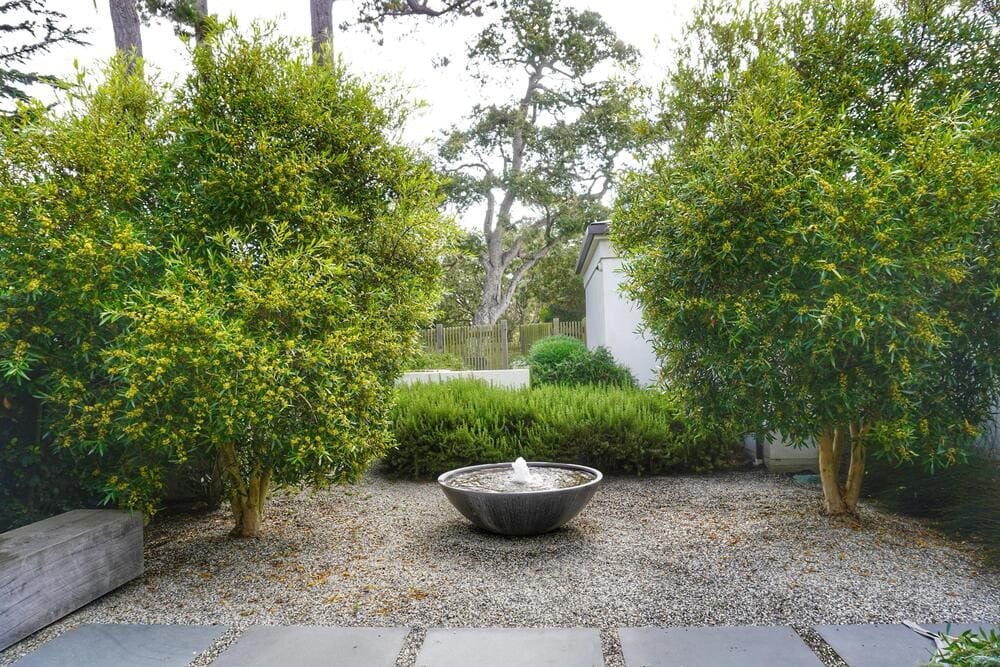
Materials play an important role in how a front yard feels. In natural landscape design, hardscape elements should support the surrounding environment rather than compete with it.
Natural stone is commonly used in Menlo Park front yards because it ages well and blends naturally into the landscape. Stone pathways and retaining walls help create structure without feeling overly formal.
Gravel pathways and decomposed granite also work well in front yard landscaping. These materials create a softer appearance than large paved surfaces and fit naturally within drought-tolerant landscapes.
Wood elements can add warmth and texture to the garden. Simple wood fencing, gates, or benches often feel more relaxed and connected to the environment than highly decorative materials.
These choices support modern garden design while helping the landscape remain timeless and grounded in the natural character of the property.
Focus on Drought-Tolerant Planting
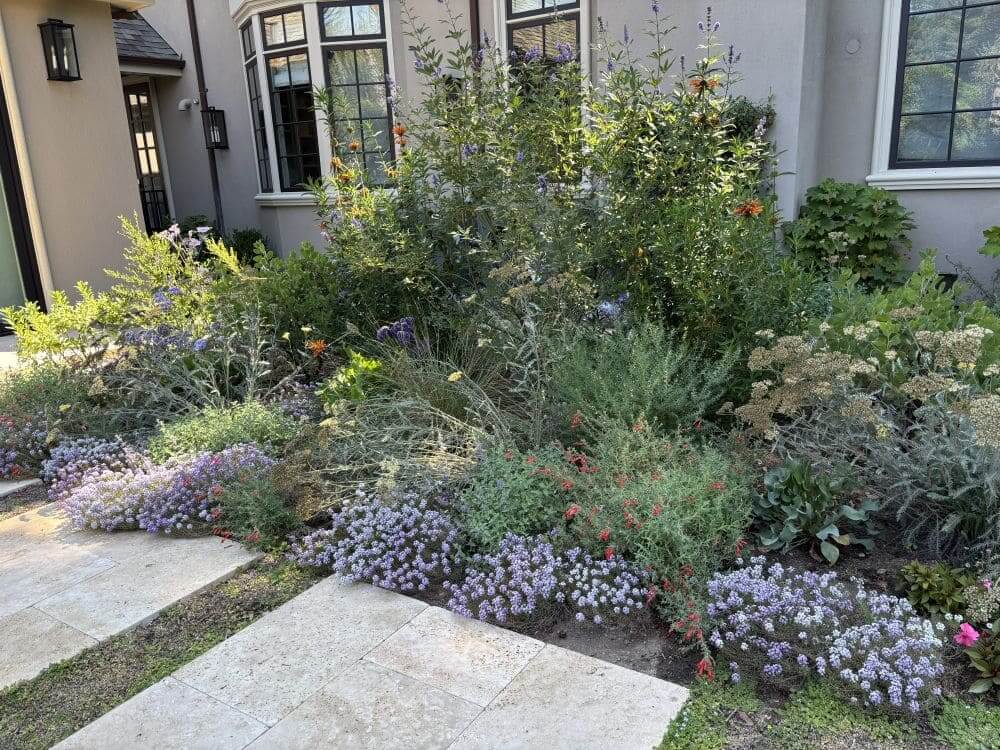
Plant selection is one of the most important parts of creating a successful front yard in the Bay Area climate.
Lavender is a common choice because it provides fragrance, seasonal color, and low water needs. It also works beautifully along walkways and planting borders.
Salvia brings vibrant blooms while attracting pollinators and thriving in warm summer conditions. Its structure and color fit naturally into layered planting schemes.
Olive trees are often used in luxury landscape design because of their sculptural appearance and drought tolerance. Their soft foliage works particularly well in natural front yard settings.
California poppies add seasonal brightness while reinforcing a connection to the regional landscape. Ornamental grasses continue to be one of the most versatile planting choices because they provide movement and texture throughout the year.
Together, these plants help create landscapes that use less water while maintaining visual interest across seasons.
Create Structure Without Overdesigning
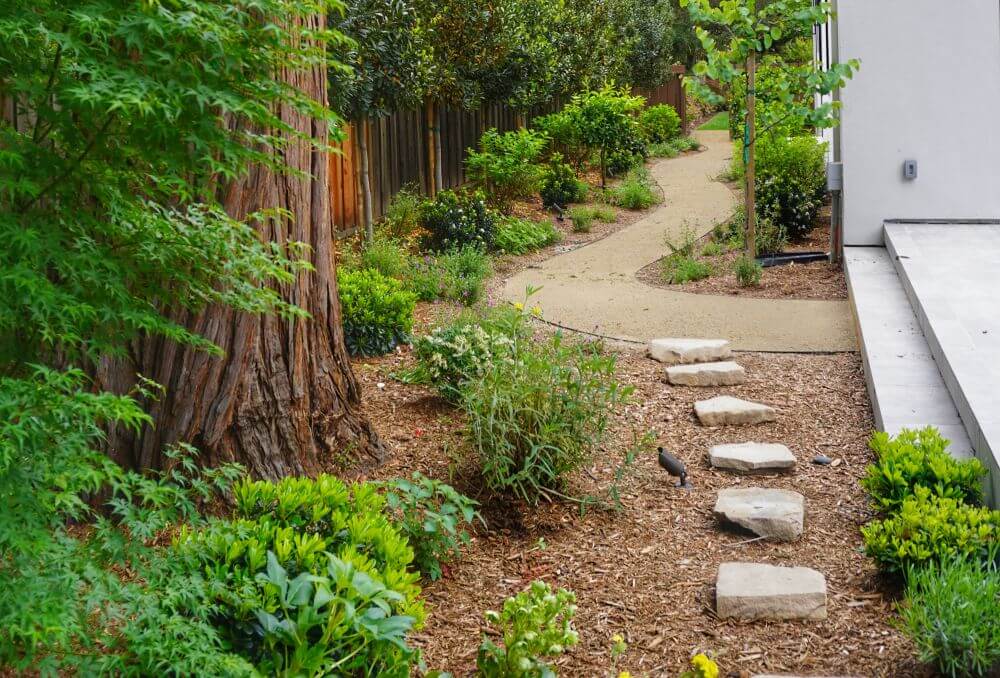
Natural landscapes still require structure. The goal is to create organization without making the space feel overly formal or rigid.
Subtle pathways help guide movement through the front yard while creating visual flow toward the entrance. Layered hedges can define planting areas without forming hard barriers.
Canopy trees help frame the property and provide shade while adding maturity to the landscape. Open planting layouts allow the garden to feel relaxed and breathable rather than crowded.
Thoughtful front yard landscaping should feel intentional but not forced. Some of the most successful landscapes are the ones that appear simple even though they are carefully planned.
This balance between structure and openness is one reason natural landscapes continue to grow in popularity throughout the Bay Area.
Why Homeowners Work With Landscape Professionals
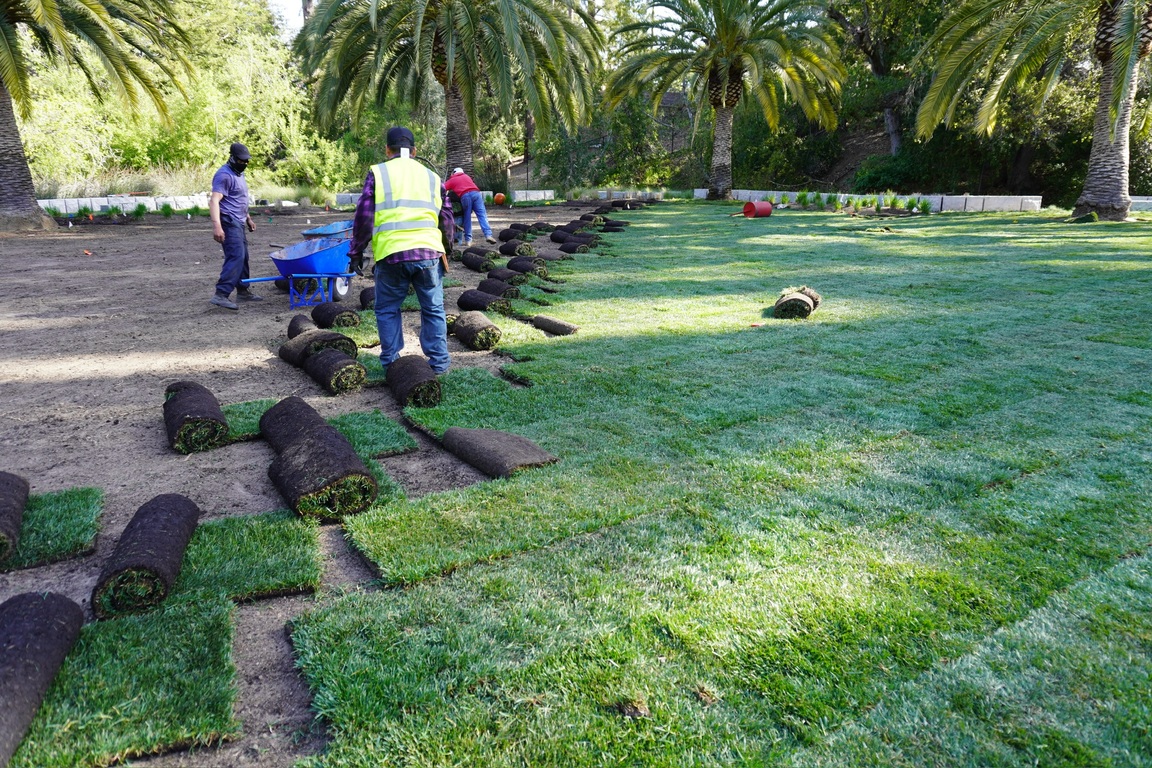
Designing a natural front yard requires more planning than many people expect. While the landscape may appear relaxed, successful layouts depend on thoughtful plant selection, spacing, and long-term planning.
Professional landscape design services help homeowners understand how plants will mature over time and how different materials will perform in the local climate.
Landscape professionals also evaluate irrigation needs, drainage, and how outdoor spaces connect to the architecture of the home.
Many homeowners searching for landscape designers near me are looking for guidance on how to create landscapes that feel elegant without becoming difficult to maintain.
Experienced designers understand how to balance natural planting with structure while supporting long-term curb appeal and landscape health.
This is especially important in luxury landscape design, where outdoor spaces are expected to remain timeless and visually balanced for many years.
Creating a Front Yard That Feels Timeless
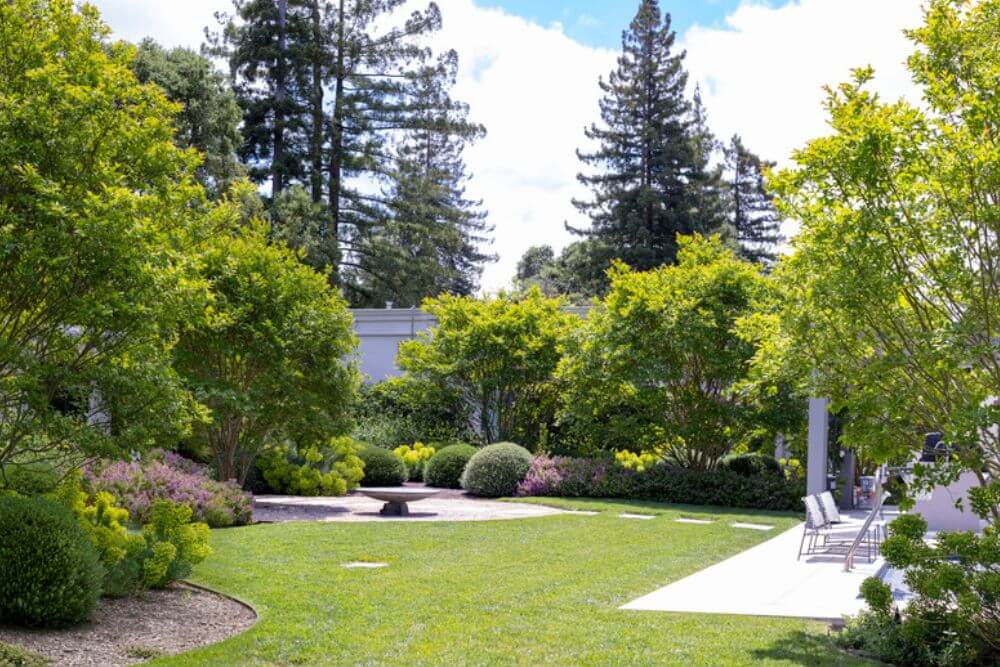
Natural front yard landscapes continue to grow in popularity because they feel connected to the environment while remaining elegant and functional.
Layered planting, drought-tolerant landscapes, and natural materials all help create outdoor spaces that blend comfortably into Menlo Park surroundings. These choices also reduce long-term maintenance while improving curb appeal and supporting sustainable landscape practices.
Thoughtful planning allows front yards to feel relaxed, welcoming, and visually balanced throughout the seasons.
For homeowners considering updates to their outdoor spaces, working with experienced landscape professionals can help create a front yard that feels both natural and enduring.