

Overseeding can help fill thin areas of an existing lawn and improve its overall appearance. But before spreading new grass seed, it is worth considering the soil and whether the lawn needs fertilizer. Applying fertilizer at the wrong time or choosing the wrong product can affect how well new grass establishes.
For Saratoga homeowners, the right approach depends on the grass type, soil condition, and time of year. Fertilizing and overseeding can work well together, but the order and type of fertilizer matter.
Should You Fertilize Before or After Overseeding?
In many cases, fertilizer can be applied at the time of overseeding rather than several weeks before or after. A starter fertilizer formulated for new grass can provide nutrients that support early root development.
However, not every lawn needs fertilizer. If the soil already has enough nutrients, adding more may not improve the results. A soil test can help determine whether the lawn needs additional nutrients and which type of fertilizer is appropriate.
If the lawn is being overseeded to fill thin areas, the goal is to give the new seed suitable conditions for germination and growth. Fertilizer should support that process rather than replace proper soil preparation.
Prepare the Lawn Before Adding Seed
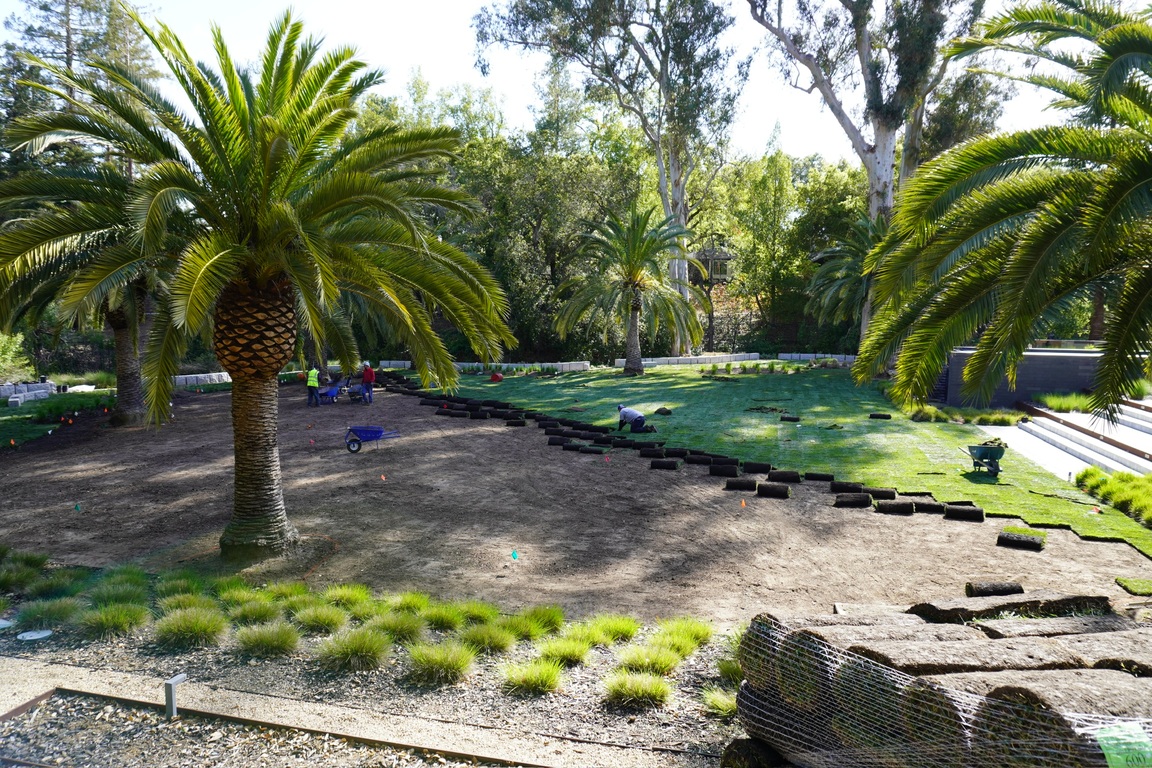
Before overseeding, mow the existing grass to a suitable height and remove excess leaves, clippings, and debris. New seed needs contact with the soil, so a thick layer of thatch or loose material can interfere with germination.
If the soil is compacted, core aeration may help. This process removes small plugs of soil, creating openings that improve the movement of water and air into the ground.
Aeration can also create better contact between the seed and soil. For lawns with significant bare areas, additional preparation may be needed before spreading new grass seed.
Choose the Right Fertilizer
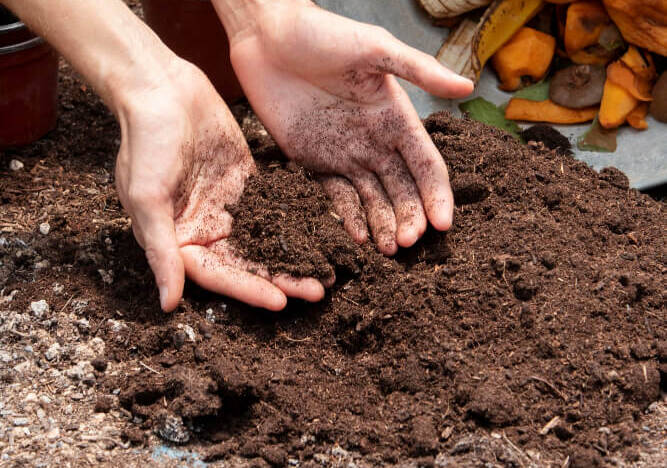
A starter fertilizer is generally formulated to support newly establishing grass. Its nutrient balance may differ from the fertilizer used to maintain an established lawn.
Avoid choosing a product based only on its nitrogen content. The right fertilizer depends on the soil and the needs of the grass. Follow the product label for application rates and timing.
Be careful with weed control products as well. Some pre emergent herbicides prevent grass seeds from germinating, so they should not be used around overseeding unless the product specifically allows it.
Watering Matters After Overseeding
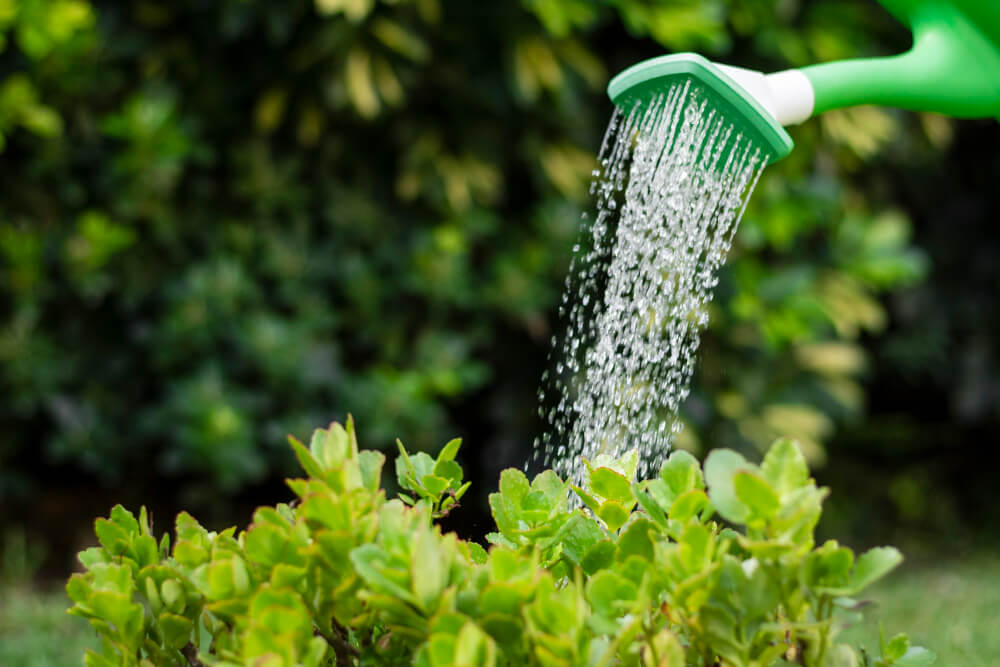
New grass seed needs consistent moisture to germinate. The soil surface should remain lightly moist, but it should not become waterlogged.
This may require lighter and more frequent watering at first, depending on the weather and soil conditions. Once the grass begins growing and develops roots, watering can gradually become less frequent and deeper.
Pay attention to areas beneath trees, along walls, and near paved surfaces. These locations may dry out at different rates from open parts of the lawn.
Give New Grass Time to Establish
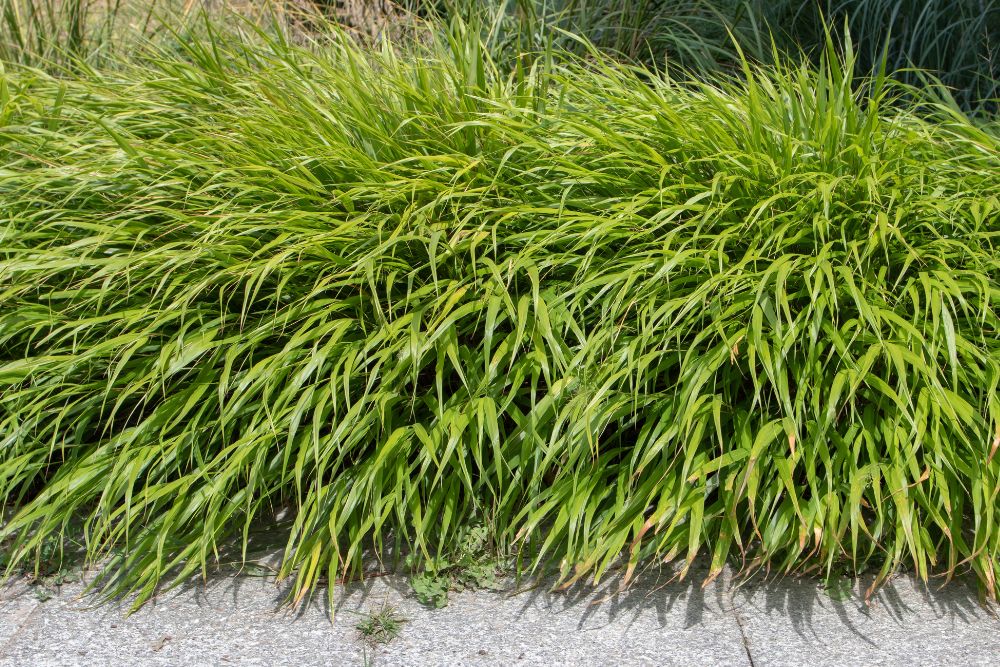
New grass needs time to develop before it can handle regular mowing and foot traffic. Avoid walking across newly seeded areas unnecessarily, and wait until the grass reaches a suitable height before its first cut.
The first mowing should be done with sharp mower blades. Cutting too low can damage young grass and slow its establishment.
Avoid applying additional fertilizer simply because the lawn looks uneven during the early stages. Germination and growth can vary across the property, especially where sunlight, soil, and moisture conditions differ.
Consider the Existing Lawn Before Overseeding

Overseeding can improve a lawn that has become thin, but it will not correct every underlying problem. Poor drainage, heavy shade, compacted soil, irrigation issues, and unsuitable grass varieties can all affect lawn growth.
For example, grass beneath mature trees may struggle because of limited sunlight and competition from tree roots. Adding more seed and fertilizer will not necessarily solve the problem.
A lawn care company can help assess these conditions before recommending overseeding, aeration, or soil improvements. A regular lawn service can also help maintain irrigation, mowing, and seasonal care while new grass becomes established.
For larger properties, a garden designer may consider how the lawn fits with surrounding planting, trees, pathways, and outdoor spaces.
A Better Start for Your Saratoga Lawn
The best time to fertilize around overseeding depends on the grass type and soil conditions. In many situations, a suitable starter fertilizer can be applied during seeding, but a soil test is the best way to determine what the lawn actually needs.
Preparing the soil, choosing the right seed, watering consistently, and allowing new grass time to establish will all contribute to better results. A little attention before overseeding can help avoid problems later and keep an established Saratoga lawn in better condition.