
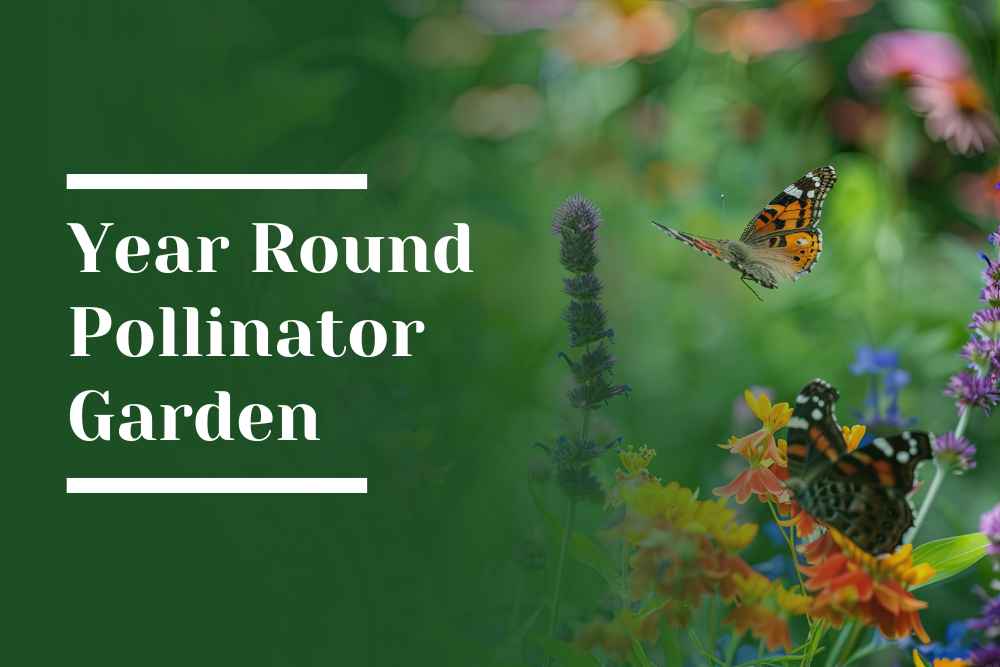
A garden can look full of flowers in spring and still offer very little for pollinators during the rest of the year. Bees, butterflies, and other beneficial insects need a steady supply of nectar, pollen, shelter, and suitable places to reproduce.
In Atherton, a pollinator garden can be designed around the property’s existing trees, planting beds, and outdoor spaces. The goal is to provide something useful for wildlife throughout the seasons while keeping the garden attractive and connected to the architecture of the home.
Choose Plants That Flower at Different Times
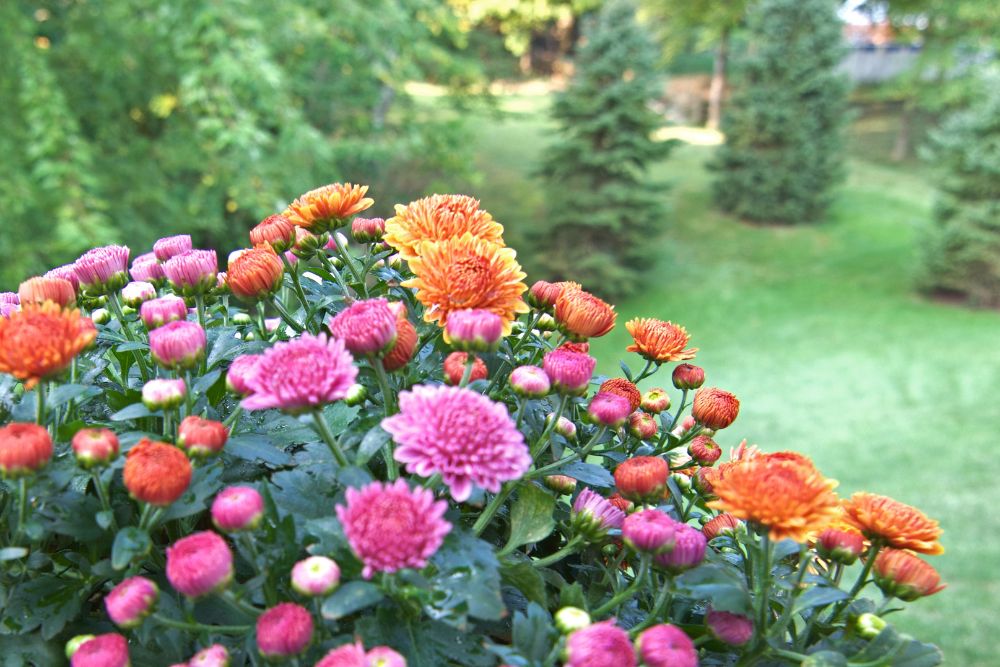
A year round pollinator garden needs more than a large selection of flowering plants. The planting should include species that bloom at different times, so food is available as the seasons change.
Spring flowers can provide an early source of nectar and pollen. Summer planting should continue that supply, while autumn flowering plants help support insects later in the year.
In winter, flowering options may be more limited, but some plants can still provide valuable resources. Native plants suited to local conditions are a useful starting point because many local pollinators are adapted to them.
Include California Native Plants
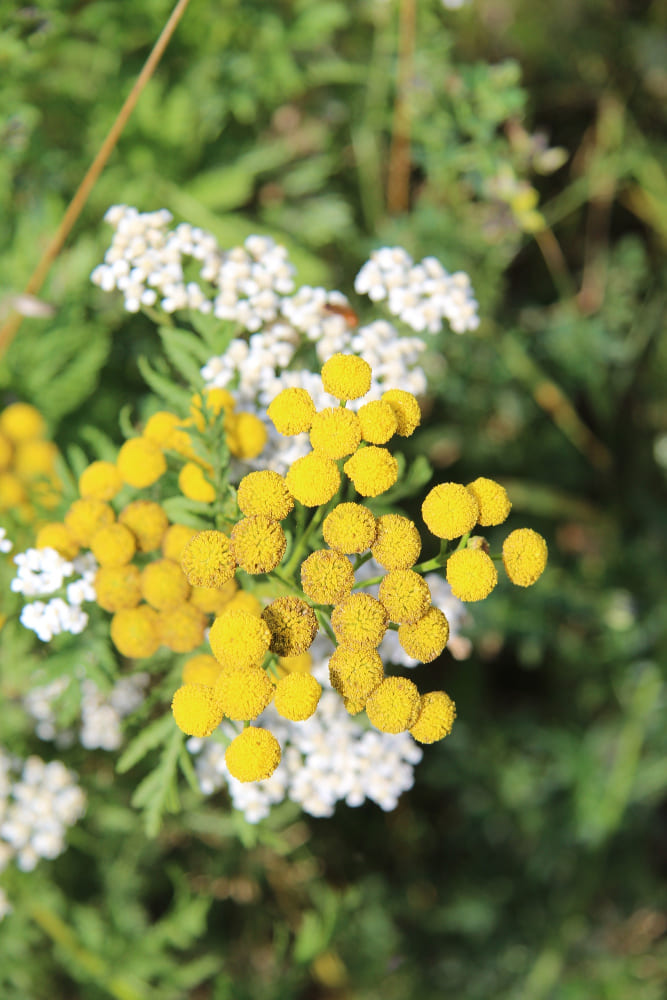
California native plants can bring both seasonal interest and wildlife value to an Atherton garden. Their flowers, foliage, and growth habits also help create a landscape that feels connected to the surrounding region.
Consider plants such as California fuchsia, salvia, yarrow, and native buckwheats. Depending on the site, these can provide flowers at different times and attract a range of pollinators.
Plant selection should account for sunlight, drainage, soil, and available space. Some native plants prefer dry conditions once established, while others need more regular moisture.
A mix of flowering plants, grasses, and shrubs will usually provide more variety than a garden made up of only a few flowering species.
Plant More Than One Type of Flower
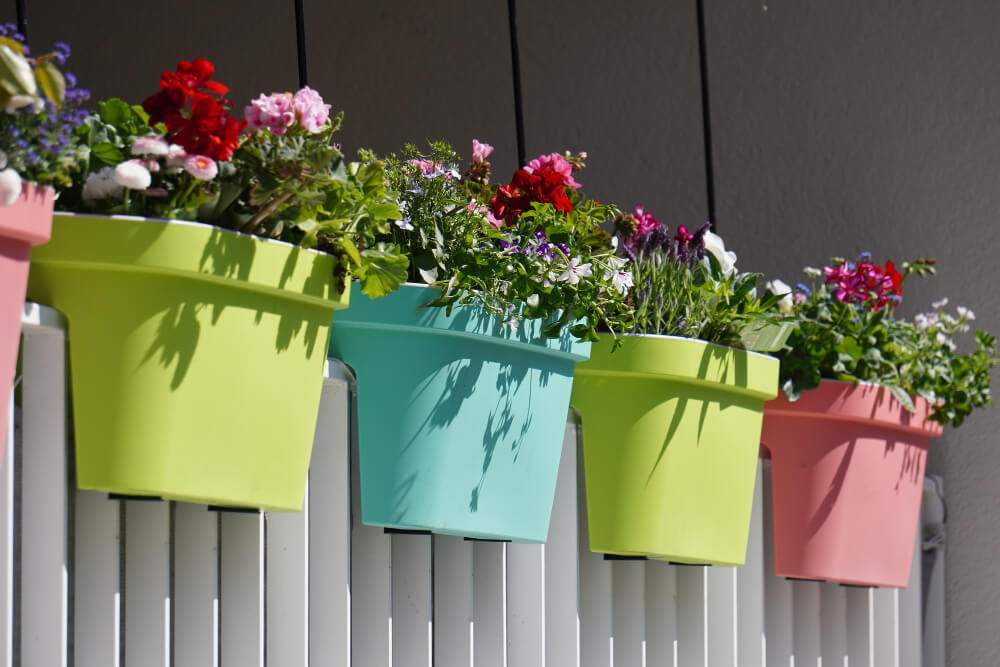
Different pollinators use different flowers. Bees, butterflies, and hummingbirds do not all feed in the same way, so variety is important.
Choose flowers with different shapes, sizes, and colors. Some insects can reach nectar in deeper flowers, while others prefer smaller, open blooms.
Planting groups of the same species together can also make flowers easier for pollinators to find. Repeating these groups throughout the garden creates a more connected planting scheme while keeping the design organized.
Avoid relying entirely on double flower varieties, as some produce less accessible pollen and nectar than simpler flower forms.
Keep Water and Shelter in the Garden
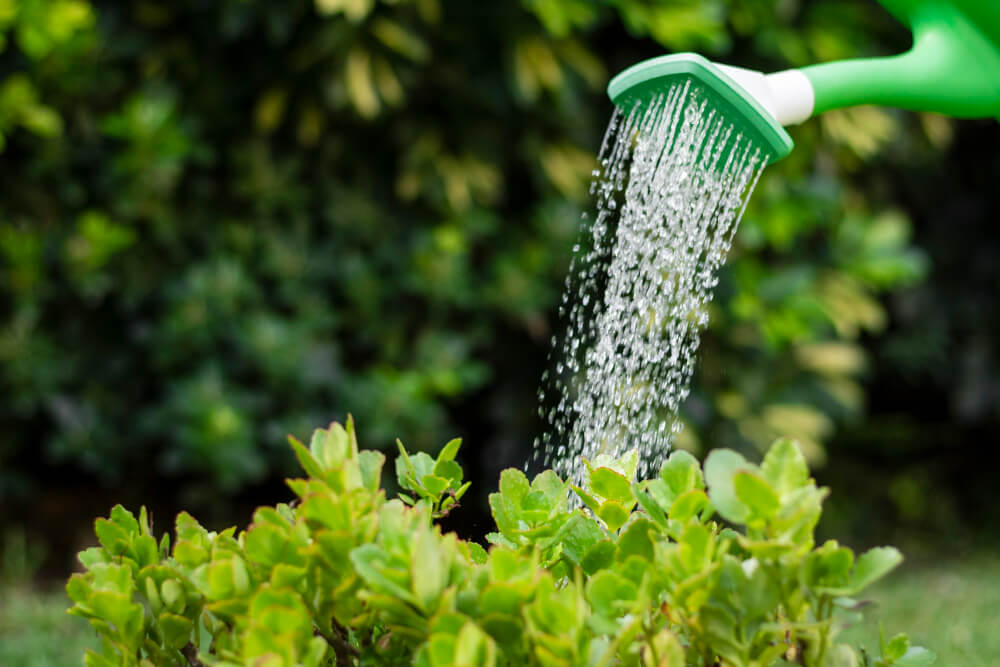
Flowers are only one part of a pollinator friendly landscape. Insects also need places to shelter and reproduce.
A small water source with shallow edges or stones can provide insects with a place to drink safely. Keep the water clean and prevent it from becoming stagnant.
Leave some areas of the garden less disturbed where practical. Bare soil patches can provide nesting opportunities for certain native bees, while leaf litter and plant stems can offer shelter for other beneficial insects.
A garden does not need to look untidy to support wildlife. These features can be incorporated into planting beds and quieter corners of the property.
Reduce the Use of Pesticides
Pesticides can affect beneficial insects as well as the pests they are intended to control. In a pollinator garden, it is worth taking a careful approach to pest management.
Start by checking plants regularly and identifying the problem before treating it. Not every insect on a plant is harmful, and some may be helping control other pests.
If treatment is necessary, choose an appropriate method and follow product directions carefully. Avoid spraying flowering plants when pollinators are active, and consider nonchemical options where possible.
This is an important part of sustainable garden care, particularly when the aim is to attract and support beneficial insects.
Design the Garden Around Existing Trees and Outdoor Spaces
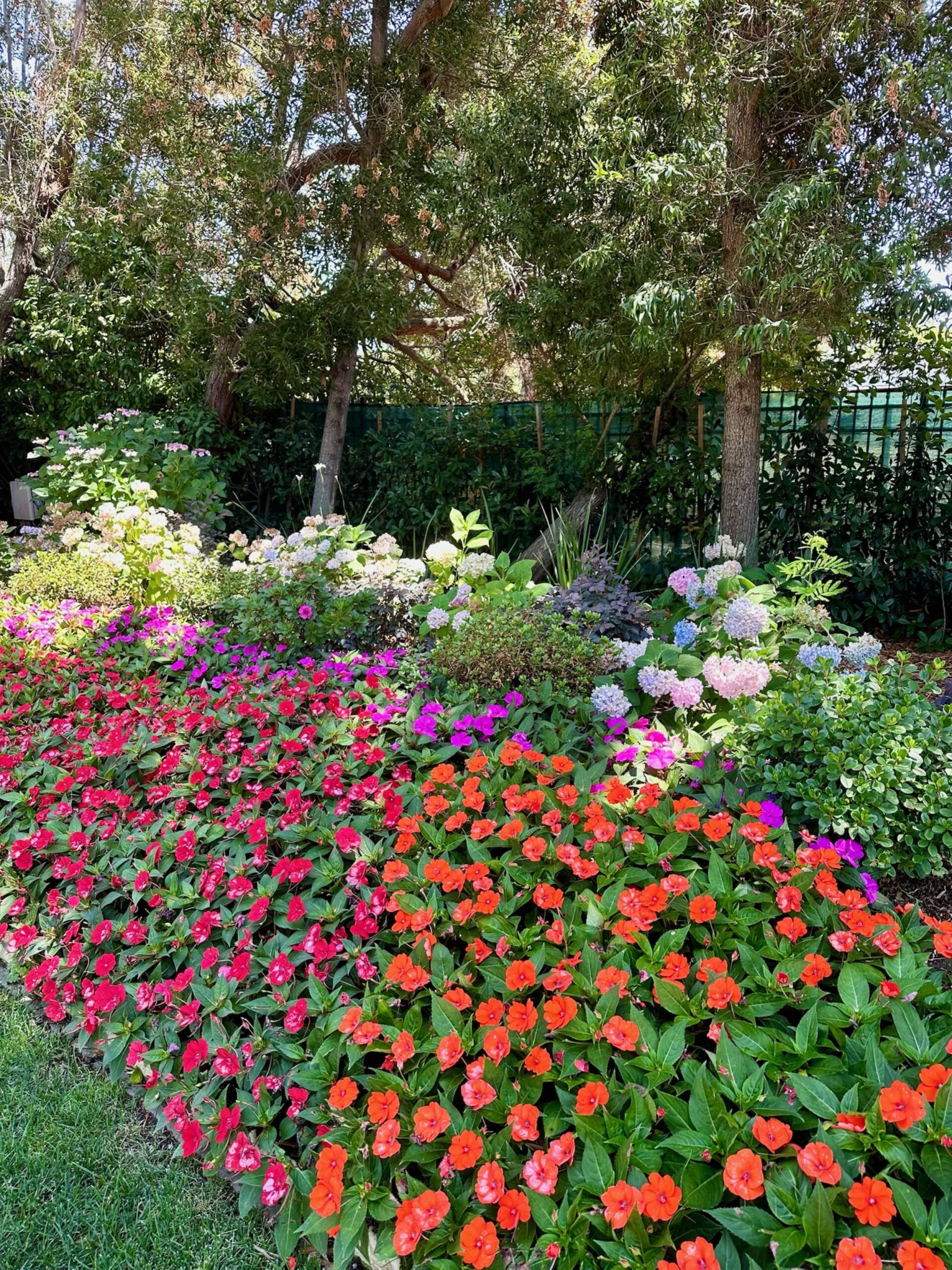
An Atherton property may have mature oaks, established hedges, large lawns, and shaded garden areas. These features should influence where pollinator planting is introduced.
Sunny borders may suit flowering perennials and shrubs, while areas beneath trees may need plants that tolerate shade and root competition. The planting should also leave enough room for pathways, seating areas, and regular garden access.
A luxury garden design does not need to separate appearance from ecological value. Flowering borders, native shrubs, and carefully placed trees can support pollinators while creating a garden that feels established and well considered.
Plan for Seasonal Changes
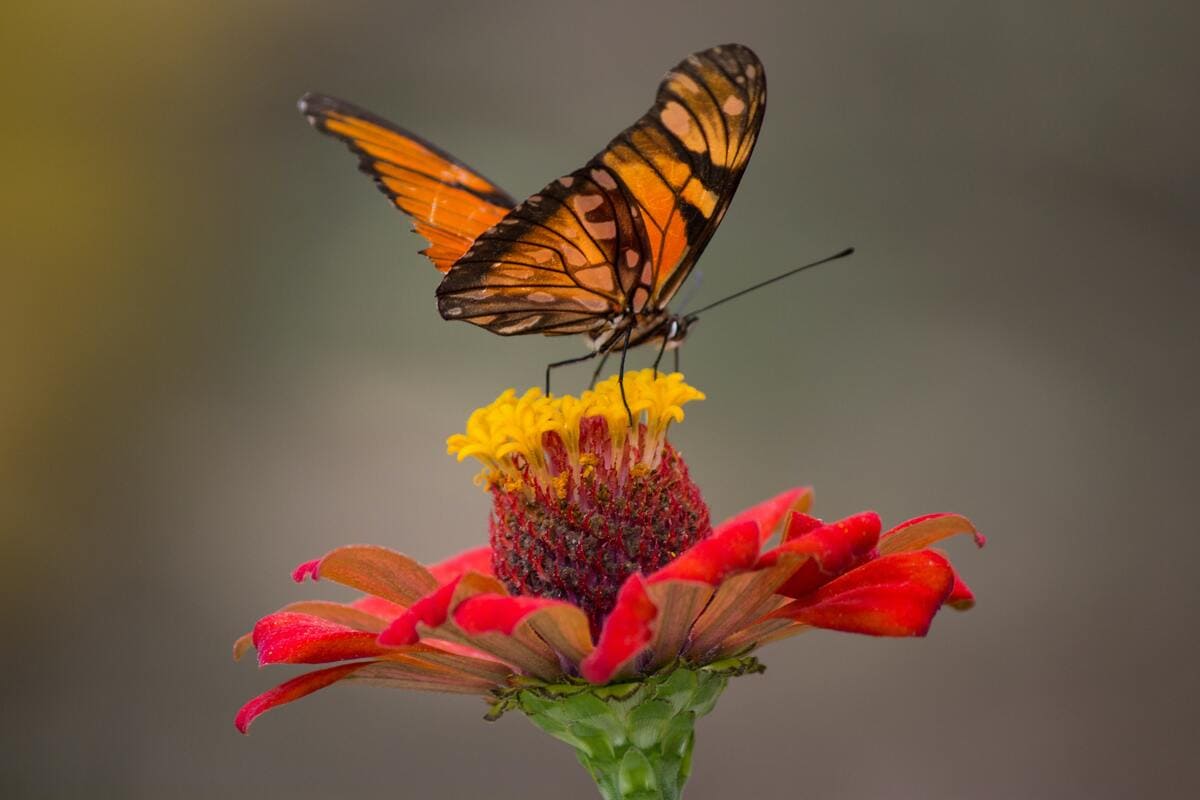
A pollinator garden should not depend on one large flowering display. As early spring flowers fade, other plants should begin to take over.
Think about the garden as a sequence of seasonal changes. Some plants provide flowers, others contribute berries or seed heads, and evergreen shrubs maintain structure when flowering is limited.
Leaving selected seed heads and stems in place for part of the year can also provide food and shelter for wildlife. These details can be balanced with regular pruning and garden maintenance.
When a Garden Design Company Can Help
Designing a pollinator garden on a large property involves more than choosing attractive flowers. Sun exposure, mature trees, irrigation, soil conditions, and the existing garden layout all affect which plants will succeed.
A landscaper can help assess the site and determine where new planting will have the most value. A garden design company can also bring the pollinator planting into the wider landscape, connecting it with lawns, terraces, pathways, and established garden beds.
The result does not need to look like a wild meadow. With the right plant selection and arrangement, a pollinator garden can feel natural while still fitting the character of an estate property.
A Garden That Supports Wildlife Through the Year
A year round pollinator garden is built through a mix of plants that flower at different times, provide suitable shelter, and grow well in the conditions of the property.
For Atherton homeowners, this can be an opportunity to add more seasonal interest while supporting local wildlife. With careful plant selection and regular care, the garden can remain attractive while offering useful resources for pollinators throughout the year.