
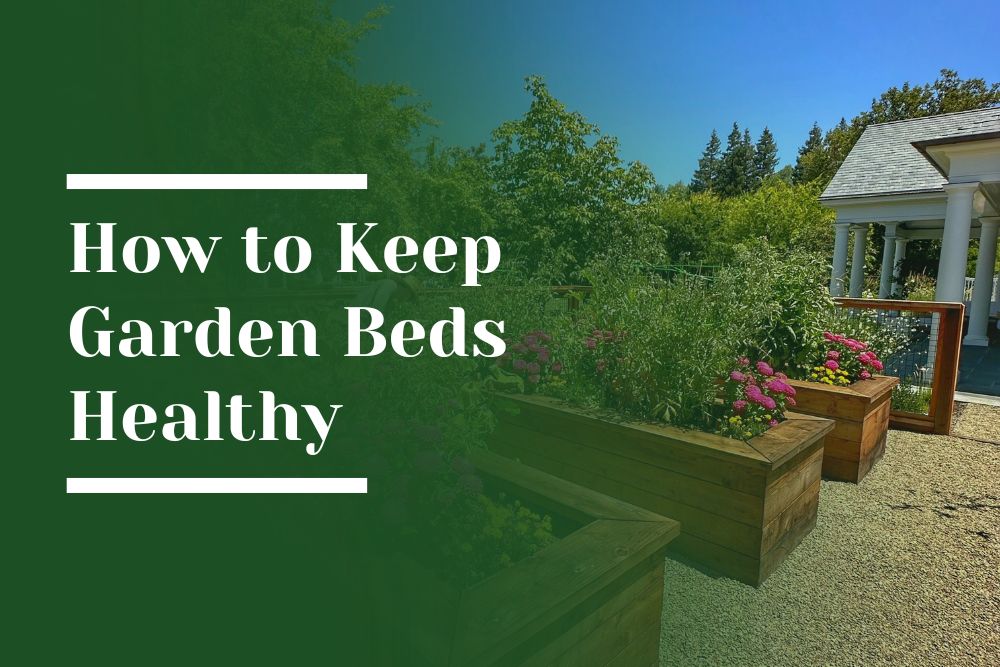
A garden bed can look perfectly healthy from across the yard while problems are already developing below the surface. Compacted soil, poor drainage, crowded plants, or an irrigation system that delivers too much water can slowly affect plant health.
Keeping established garden beds in good condition takes more than occasional watering and pruning. Soil, plant selection, spacing, irrigation, and regular care all play a part. This is especially important in Portola Valley, where gardens can include mature trees, native plants, shaded areas, and slopes with very different growing conditions.
With the right care, an established garden can continue to look good without constantly replacing plants or starting over.
Start With Healthy Soil
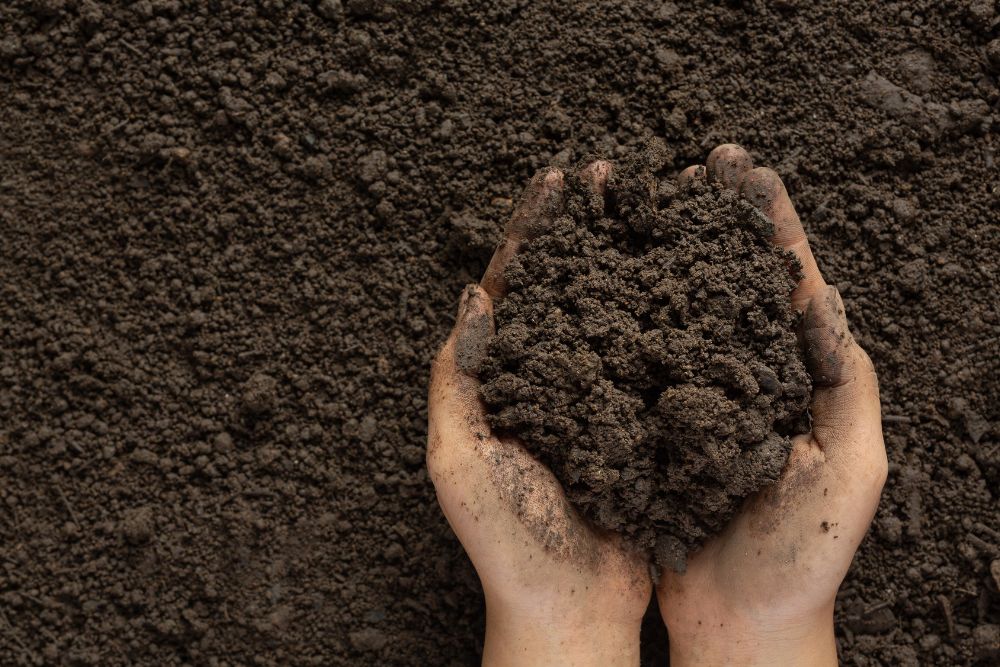
Healthy plants need healthy soil. If the soil is compacted or drains poorly, even well chosen plants can struggle.
Compacted soil makes it harder for roots to spread and can prevent water and air from reaching them properly. Adding organic matter such as compost can improve soil structure and support better root growth.
The type and amount of amendment should depend on the existing soil. Adding compost without first understanding the condition of the soil is not always the best solution.
Good soil also helps plants make better use of the water they receive. This can be particularly useful in established gardens where plants have been growing in the same beds for many years.
Water According to What Is Growing
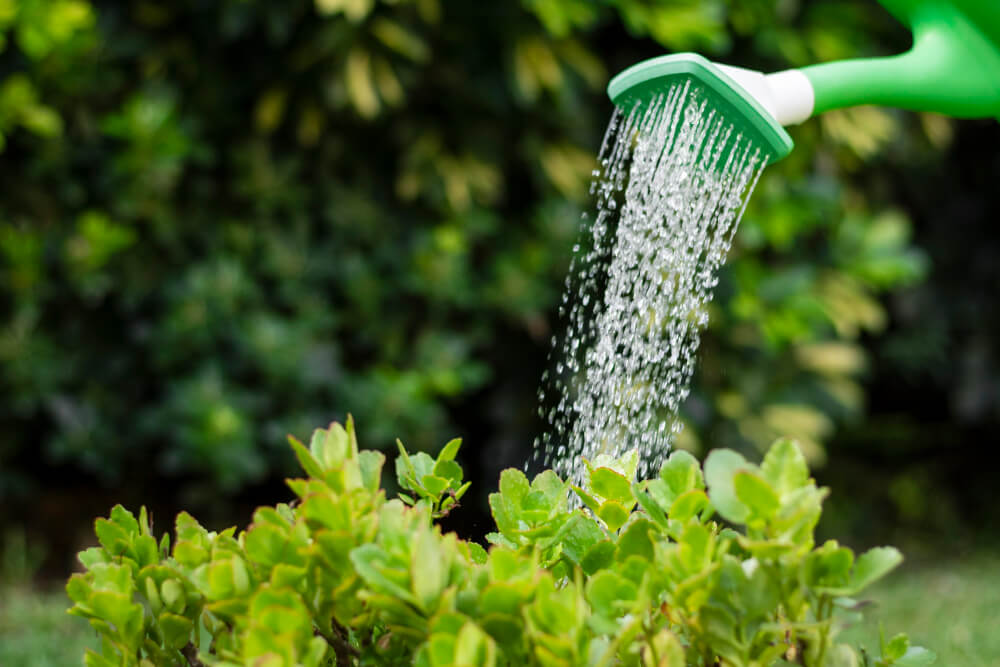
Not every plant in a garden bed needs the same amount of water.
An established olive tree, a flowering perennial, and a newly planted shrub can have very different watering requirements. Treating the entire garden as one watering zone can result in some plants getting too much water while others do not get enough.
A good irrigation system should reflect these differences.
Drip irrigation can work well for shrubs and planting beds, while sprinklers may be more suitable for lawn areas. Newly planted plants may also need more frequent watering while their roots become established.
Overwatering is worth watching closely. Too much moisture can contribute to root problems, weak growth, and other plant issues.
Regular irrigation checks are an important part of garden maintenance, especially when an established landscape has been changed or new plants have been added.
Give Plants Enough Room to Grow
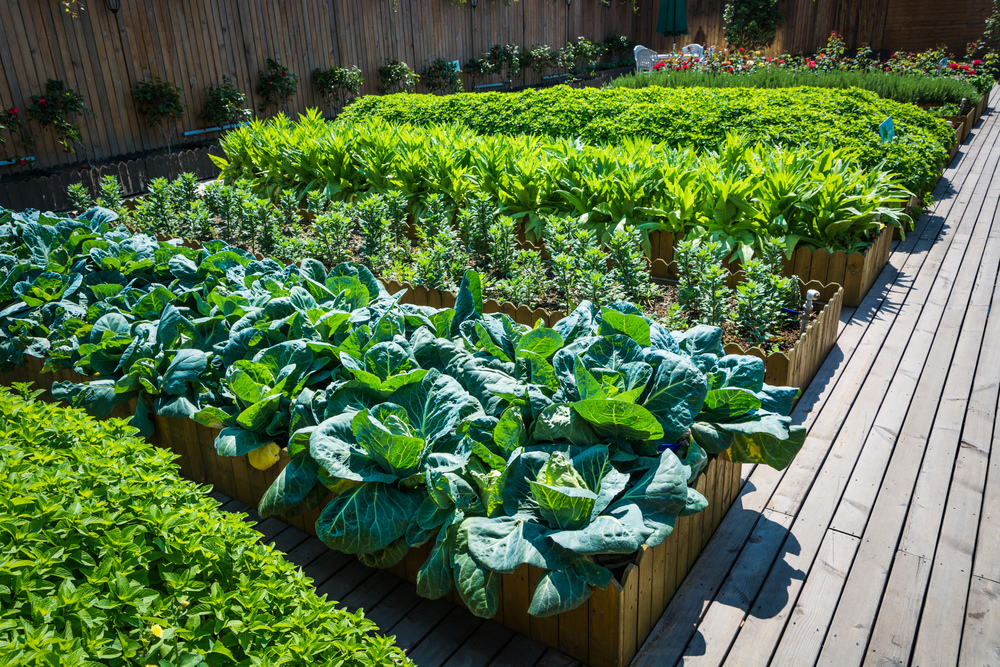
Plants rarely stay the size they were when they were installed.
A shrub that looks perfectly spaced in a new garden bed can become crowded after several growing seasons. When plants compete for sunlight, air, water, and nutrients, the bed can become harder to maintain.
Spacing should be based on the mature size of each plant rather than its size at installation.
This is also important when planning new planting. A garden can look sparse at first, but allowing plants room to grow often produces a healthier and more natural result over time.
Crowded beds may require frequent pruning just to keep plants from growing into paths, windows, or neighboring plants.
Use Mulch to Protect the Soil
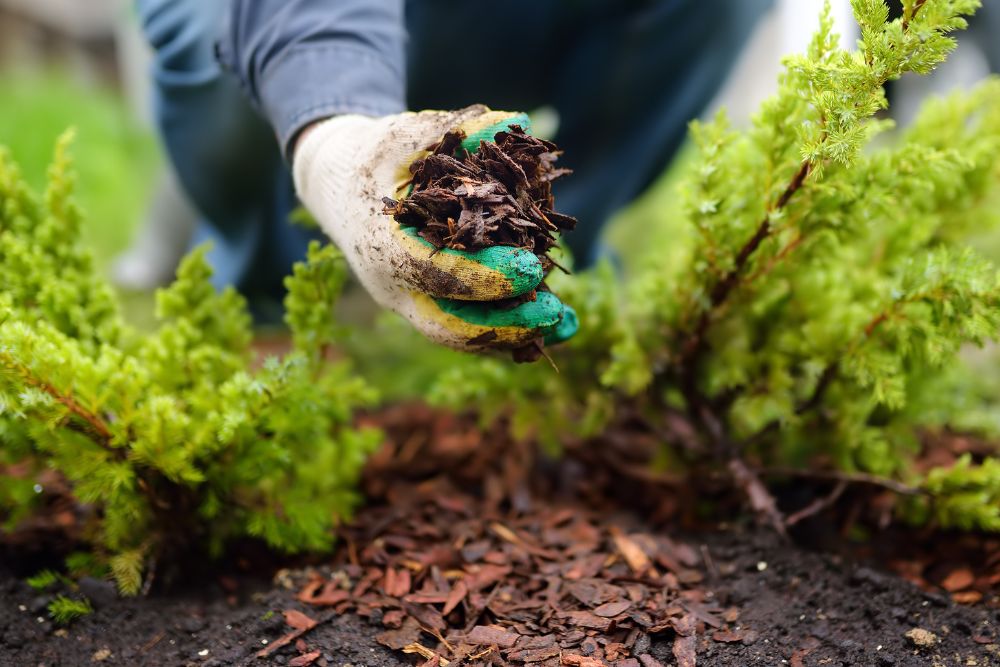
A layer of mulch can make a noticeable difference in an established garden bed.
Mulch helps slow moisture loss from the soil and can reduce the amount of sunlight reaching weed seeds. It also helps moderate soil temperature during periods of hot weather.
Organic mulch can gradually break down and add organic matter to the soil.
The depth matters, though. Too much mulch can create problems, particularly when it is piled directly against tree trunks or plant stems.
A clean, even layer around planting areas is usually a better approach. Mulch should support the plants rather than become a replacement for proper soil and irrigation care.
Keep an Eye on Drainage
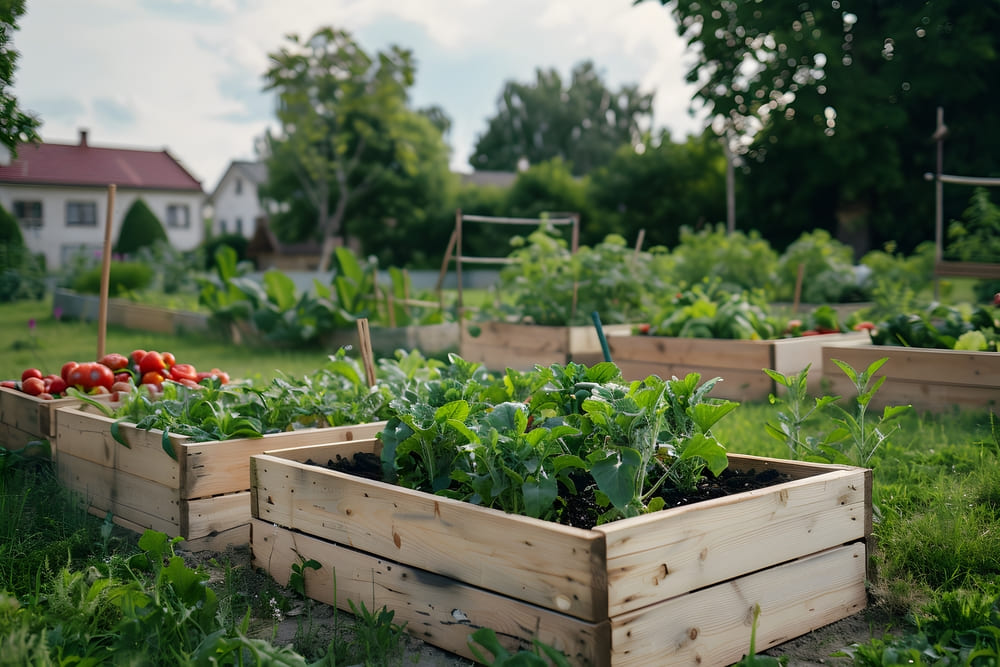
A garden bed does not have to be dry to be healthy.
In fact, standing water can cause serious problems for plants that need well drained soil. If water regularly collects in one part of the garden after irrigation or rain, there may be an underlying drainage or grading issue.
Compacted soil can make the problem worse because water has fewer places to move.
Look for areas where water remains on the surface, irrigation runs toward paths, or certain plants repeatedly decline despite receiving enough water.
Sometimes the answer is as simple as adjusting an irrigation zone. Other situations may require changes to the soil, grading, or drainage system.
Finding the cause is usually better than repeatedly replacing plants that cannot handle the conditions.
Pruning Should Support the Garden Design
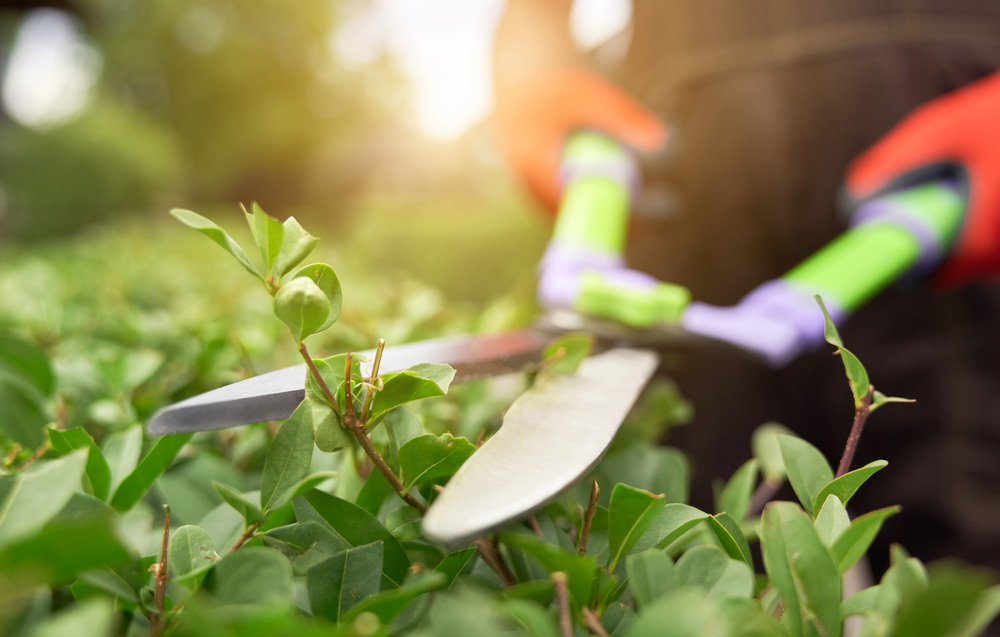
Pruning is not simply about cutting plants back whenever they become too large.
Good pruning should help plants maintain their natural shape while keeping paths, windows, views, and other parts of the garden clear.
Dead or damaged branches should be removed, and plants that have become too large for their location may need more careful attention.
Timing also matters. Different plants respond better to pruning at different times of the year.
In an established garden, pruning should work with the original planting design rather than slowly changing the shape of the entire landscape.
Regular care can help keep shrubs, hedges, trees, and perennials looking appropriate for their surroundings.
Choose Plants That Suit the Site
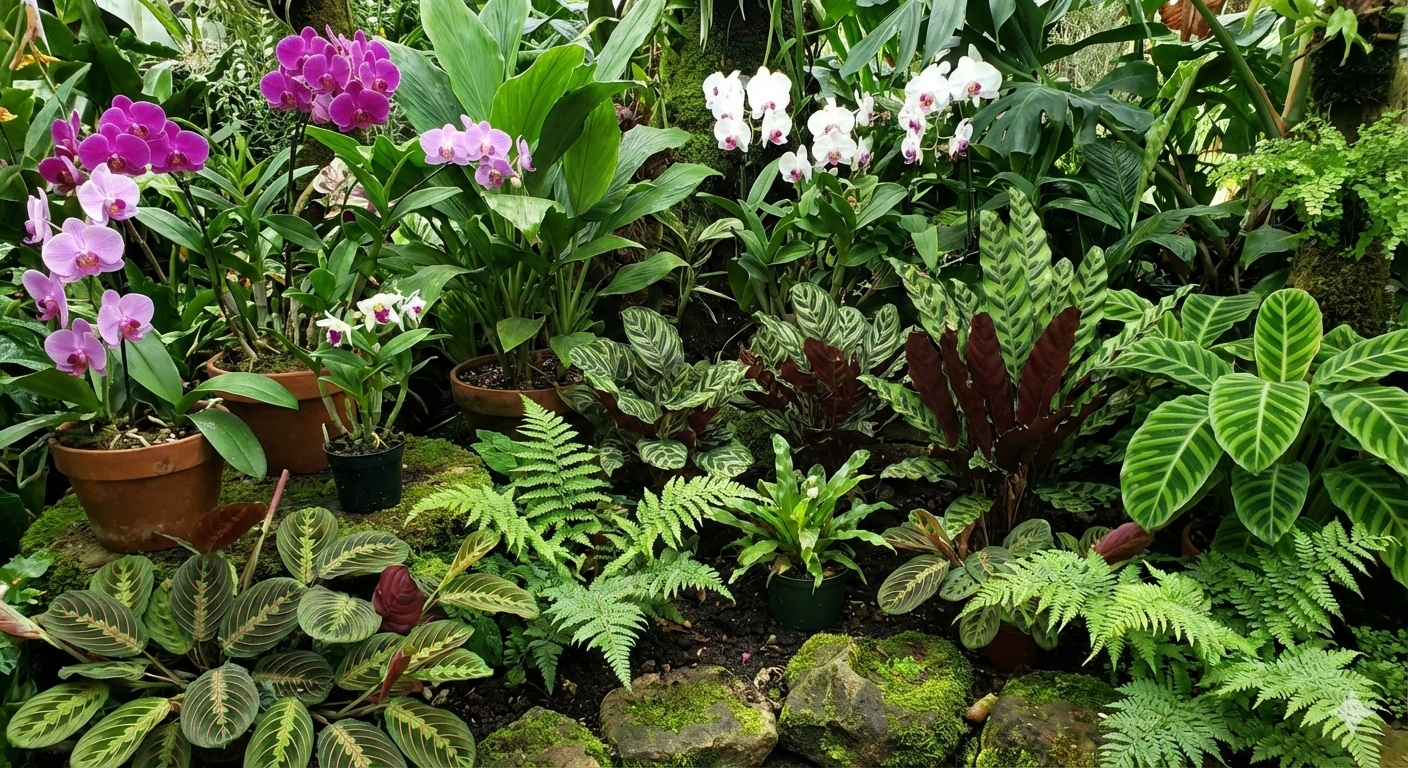
Plant selection has a major effect on how much maintenance a garden will need.
A plant that is well suited to its location is more likely to perform well without constant attention. Before adding something new, consider the amount of sun, soil conditions, available water, mature size, and local climate.
California native plants can be useful in the right locations, particularly when their natural growing conditions match the site.
Drought tolerant plants can also help reduce water demand, but drought tolerance does not mean a plant needs no water at all.
Good planting design considers how plants will interact with each other as they mature. It also considers how the garden will look during different seasons.
Know When the Garden Needs More Than Routine Care
Sometimes a garden problem keeps coming back for a reason.
A plant that dies repeatedly may not be the real problem. The location could have poor drainage, too much shade, compacted soil, or an irrigation issue.
Other warning signs include:
- Plants declining in the same area
- Water collecting after irrigation
- Shrubs requiring constant pruning
- Bare or compacted soil
- Plants becoming overcrowded
- Irrigation that is difficult to adjust
Replacing plants without addressing these conditions can become expensive over time.
A closer look at the garden can often reveal what needs to change before more plants are installed.
When Professional Garden Maintenance Makes Sense
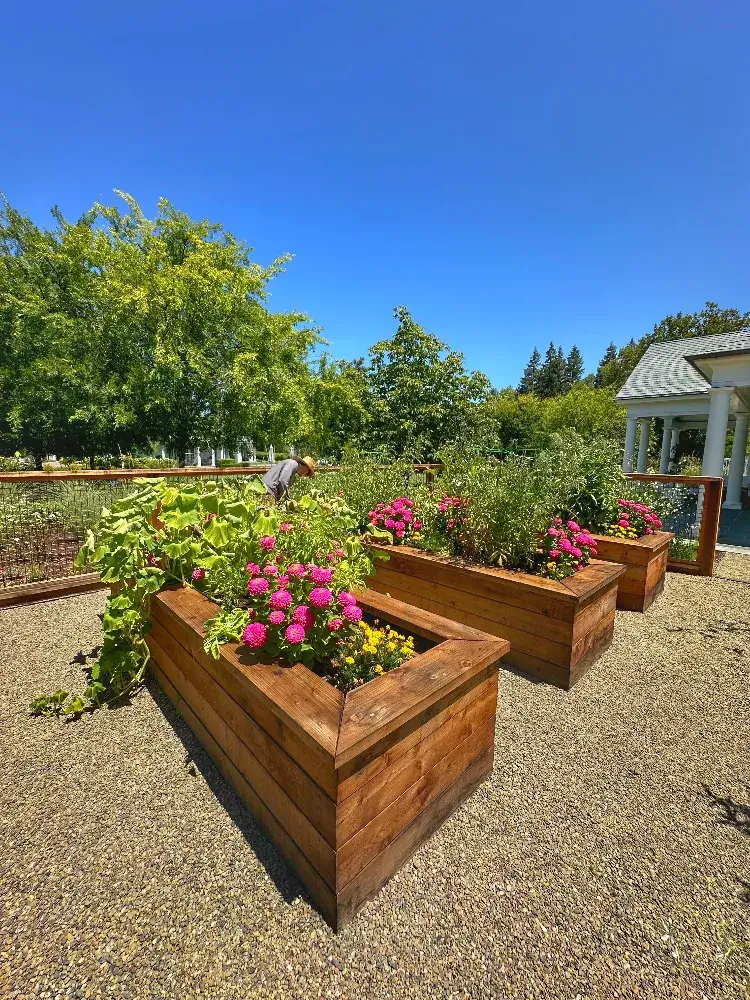
Regular garden maintenance is about more than keeping the property neat.
It can include seasonal pruning, irrigation checks, soil care, weed control, planting adjustments, and monitoring for changes in plant health.
This type of ongoing care is particularly useful for established gardens where small problems can become harder to correct if they are left unattended.
Seasonal work can also keep the garden looking fresh. Some plants may need to be cut back, while others may need selective pruning or replacement as conditions change.
For larger Portola Valley properties, regular landscape maintenance can help protect the work that went into the original garden design.
Start With the Garden You Have
An established garden does not always need a complete renovation.
Sometimes a few changes can make a significant difference. Improving the soil, adjusting irrigation, removing overcrowded plants, or changing a small section of planting may be enough to bring a garden bed back into good condition.
If you are unsure where to start, a garden design consultation can help identify what is working and where changes may be worthwhile.
The goal is not always to replace what is already there. It can be about understanding the existing garden and making better decisions for its future.