
When trees begin dropping their leaves in autumn, the cleanup can create a surprising amount of garden material. Instead of sending all those leaves away, some can be reused to improve the soil around trees, shrubs, and garden beds.
For Woodside estate properties with mature trees and extensive planting, fallen leaves can be a useful source of organic matter. The main question is whether to use them fresh or allow them to break down first.
Both approaches have a place in landscape maintenance, but the way leaves are prepared and applied makes a difference.
Can Fresh Leaves Be Used as Mulch?
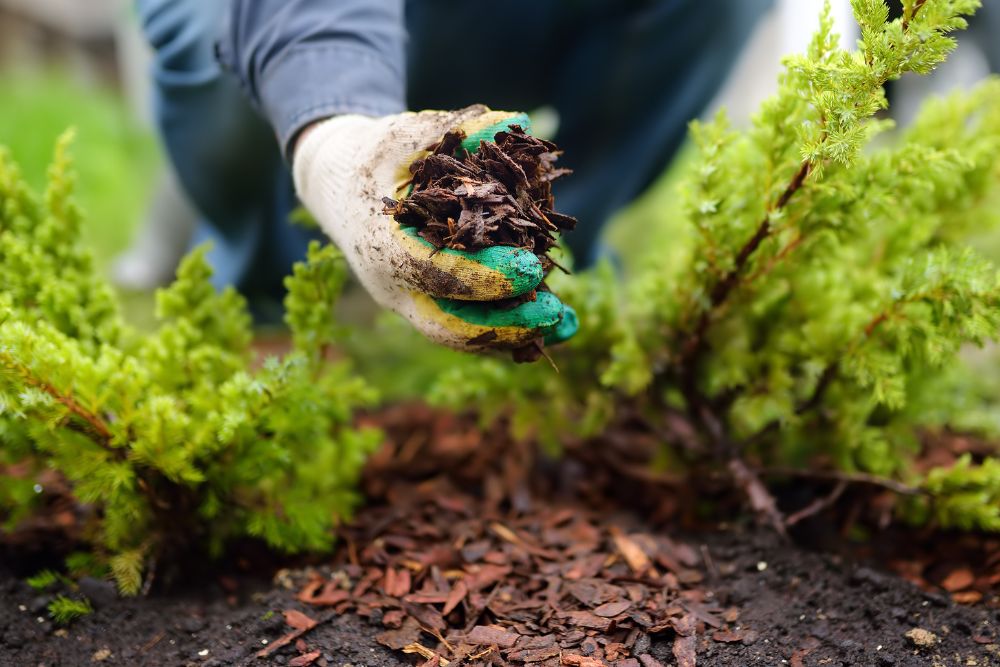
Fresh leaves can be used as mulch, but they should be shredded or chopped before application. Whole leaves can form a dense, wet layer when they collect together, especially after rain.
This can prevent air and water from moving through the material properly. It may also create a slippery surface on pathways and patios.
Shredded leaves are easier to spread and break down more evenly. They can be used around trees, shrubs, and established planting beds, provided the layer is not too thick.
Keep mulch away from the base of tree trunks and shrub stems. Piling organic material directly against bark can create moisture problems.
What Are the Benefits of Decomposed Leaves?
Decomposed leaves are often easier to use as garden mulch because they have already started breaking down. Over time, fallen leaves form leaf mold, a material that can improve soil structure and help retain moisture.
Leaf mold is different from fresh leaf mulch. It has a softer texture and is more broken down, making it useful as a soil amendment or surface layer around suitable plants.
It can be particularly helpful in established garden beds where soil structure needs improvement. However, it should not be treated as a complete fertilizer. Its nutrient content is generally modest, and the soil may need other amendments depending on the plants growing there.
How to Prepare Leaves for Garden Use
If you plan to use fresh leaves, start by collecting them and removing large sticks or other debris. Run them through a leaf shredder or use a mulching mower to break them into smaller pieces.
For decomposed leaf material, place collected leaves in a composting area or designated leaf pile. Keep the pile slightly moist and allow time for the material to break down.
Different leaves decompose at different rates. Some are softer and break down relatively quickly, while thicker or waxier leaves may take longer.
Avoid collecting leaves from areas where they may contain harmful chemical residues or diseased plant material. If leaves show signs of serious disease, check whether they should be composted or disposed of separately.
Can You Use Leaves Directly on a Lawn?
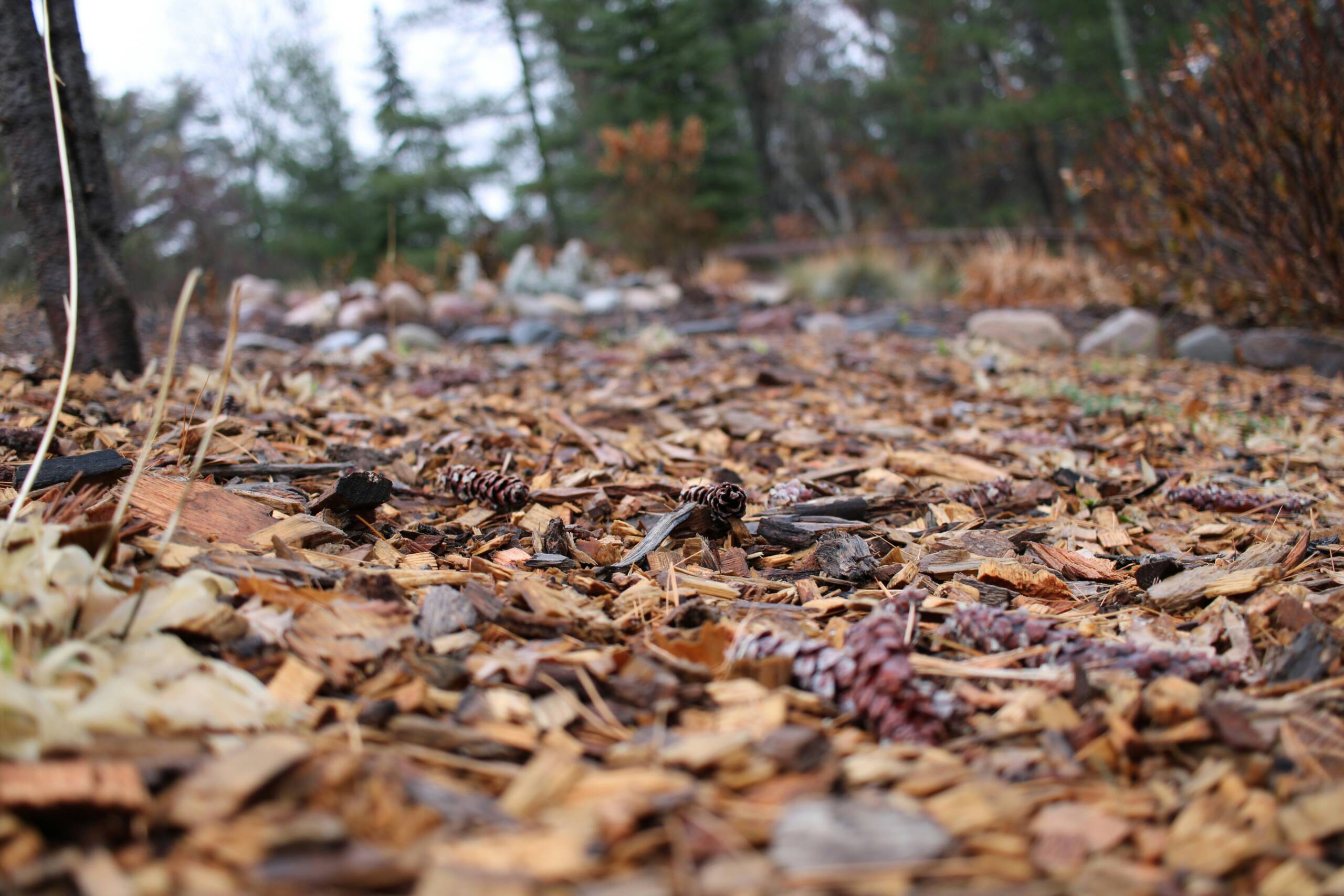
Leaves should not be left in thick layers over an active lawn. A heavy covering can block sunlight and interfere with air movement around the grass.
However, small amounts of dry leaves can often be chopped with a mulching mower and left among the grass blades. The pieces should be small enough to settle into the lawn without forming a visible layer.
If the leaves are too wet, too thick, or too numerous to be chopped finely, collect them instead. They can then be used in a compost pile or as mulch around suitable planting areas.
This distinction matters on large Woodside properties where mature trees may produce more leaves than the lawn can reasonably absorb.
Where Leaf Mulch Works Best in an Estate Garden
Shredded leaves and decomposed leaf material can be useful around trees, shrubs, and perennial planting beds. They help cover exposed soil and can reduce moisture loss during dry periods.
They can also be used beneath established trees where grass is difficult to maintain. In these areas, a suitable organic mulch may be more practical than trying to grow turf beneath heavy shade and competing tree roots.
Leave enough space around trunks, irrigation equipment, and plant stems. Mulch should be spread evenly rather than piled into large mounds.
In a large estate garden, these areas can be managed as part of the wider landscape rather than treated as separate cleanup tasks.
Avoid Using Too Much Leaf Mulch
A thick layer of leaves may look useful, but more is not always better. Excess material can hold too much moisture, restrict airflow, and make it harder for smaller plants to grow.
For most planting beds, apply a moderate layer and check how it settles over time. The appropriate depth depends on the material, the plants, and the condition of the soil.
If you are adding leaves to an existing mulch layer, check what is already there before applying more. There is no need to keep building up material every autumn.
Make Leaf Recycling Part of Seasonal Landscape Care
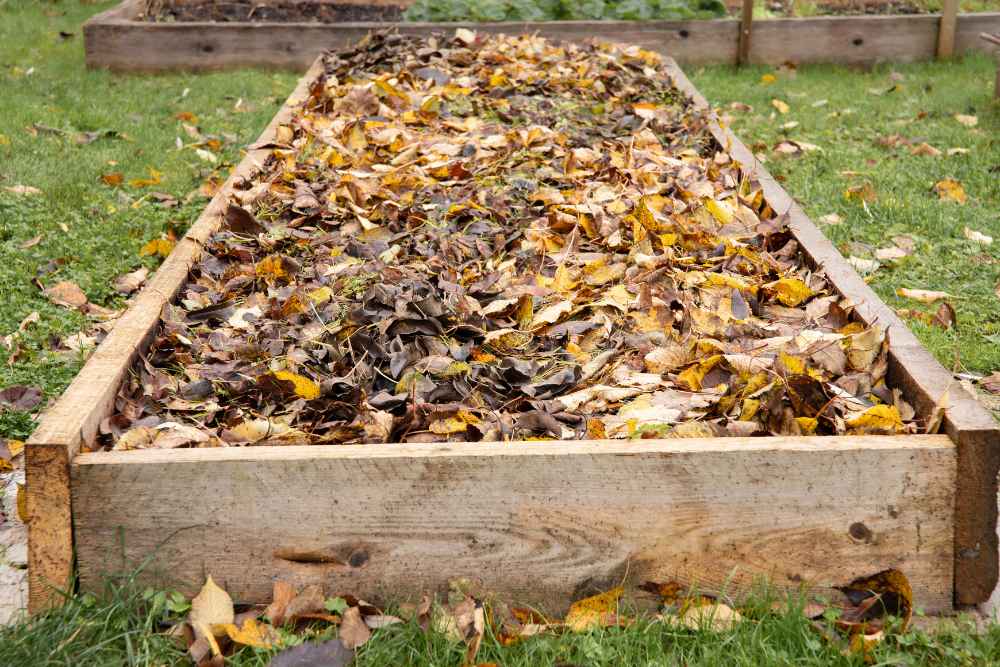
Autumn cleanup is a good opportunity to decide which leaves should be removed, which can be shredded for mulch, and which should be composted.
For large properties, this can be a substantial part of seasonal garden work. A landscape contractor can help coordinate leaf removal, composting, mulching, and general garden maintenance while protecting established planting.
Homeowners using luxury landscaping services may also want to consider how organic materials can be reused across the property. A luxury landscaping company with experience in estate maintenance can help identify suitable areas for leaf mulch and manage seasonal cleanup without allowing debris to build up.
Put Fallen Leaves to Good Use
Fresh and decomposed leaves can both be useful in a Woodside estate landscape. Shredded fresh leaves work well as a surface mulch in suitable planting beds, while decomposed leaves can help improve soil structure.
The best choice depends on how much time is available, the condition of the material, and where it will be used. With a little preparation, autumn leaves can become a useful garden resource rather than simply another item to remove during seasonal cleanup.