
Beautiful landscape begins long before the first tree is planted or the first patio is installed. One of the most important parts of any successful landscape project is planning how the landscape will be watered. Without a well designed irrigation system, even the healthiest plants can struggle to grow and thrive.
In Woodside and throughout the San Francisco Bay Area, homeowners often invest in mature trees, colorful gardens, expansive lawns, and outdoor living spaces. These features deserve an irrigation plan that supports them from the very beginning. Planning irrigation before landscape installation helps plants establish strong roots, reduces water waste, and avoids costly changes later. It also creates a healthier landscape that is easier to maintain for years to come.
Irrigation Is Part of the Landscape Design
An irrigation system should never be treated as something that is added after the landscape is finished. It should be planned alongside the planting layout, grading, drainage, and hardscape design.
Every landscape has different watering needs. Large shade trees need water delivered differently than flowering shrubs. A lawn requires a different watering schedule than a garden bed filled with drought tolerant plants. If irrigation is planned after planting, it becomes much harder to provide the right amount of water to every area.
This is why experienced landscape professionals include irrigation design during the early stages of landscape planning. When irrigation and planting are designed together, every part of the landscape works as one complete system.
Planning early also allows irrigation lines, valves, and controllers to be installed before pathways, patios, driveways, and planting beds are completed. This reduces disruption during construction and helps create a cleaner installation.
For homeowners investing in landscape design services, irrigation should always be viewed as an essential part of the overall design rather than an optional upgrade.
Every Part of the Landscape Needs Different Amounts of Water
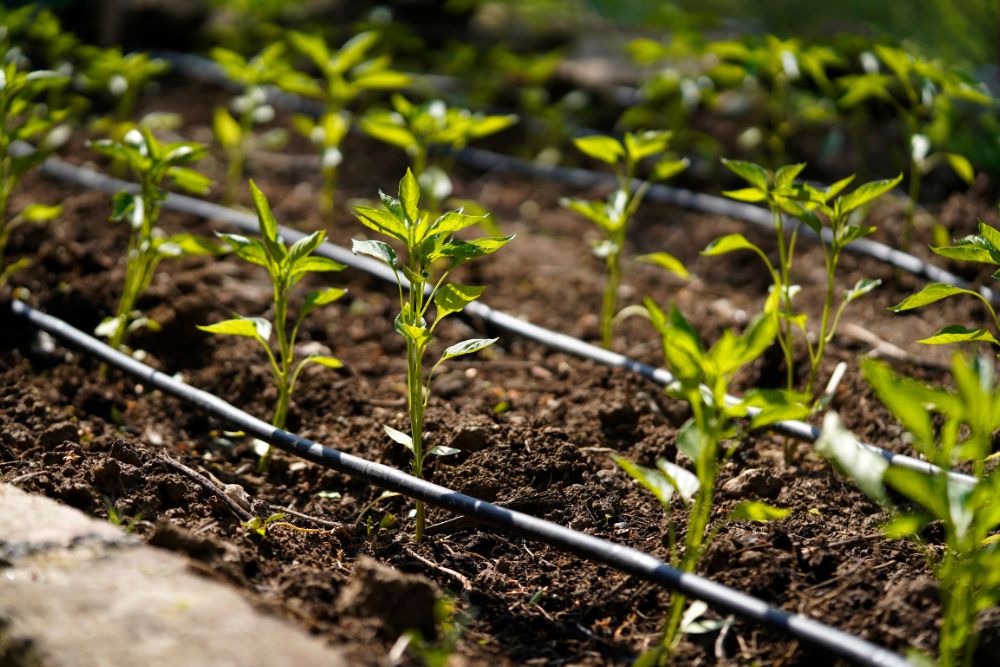
Not every plant has the same watering requirements.
A healthy lawn usually needs more frequent watering than established shrubs. Mature trees often benefit from deep watering that encourages roots to grow downward. Flower beds may require regular moisture during the growing season, while container gardens often dry out much faster than plants growing in the ground.
Using one watering schedule for the entire property rarely produces good results.
A well planned irrigation system divides the landscape into separate watering zones based on plant type and sun exposure. This allows each area to receive the right amount of water without overwatering or underwatering nearby plants.
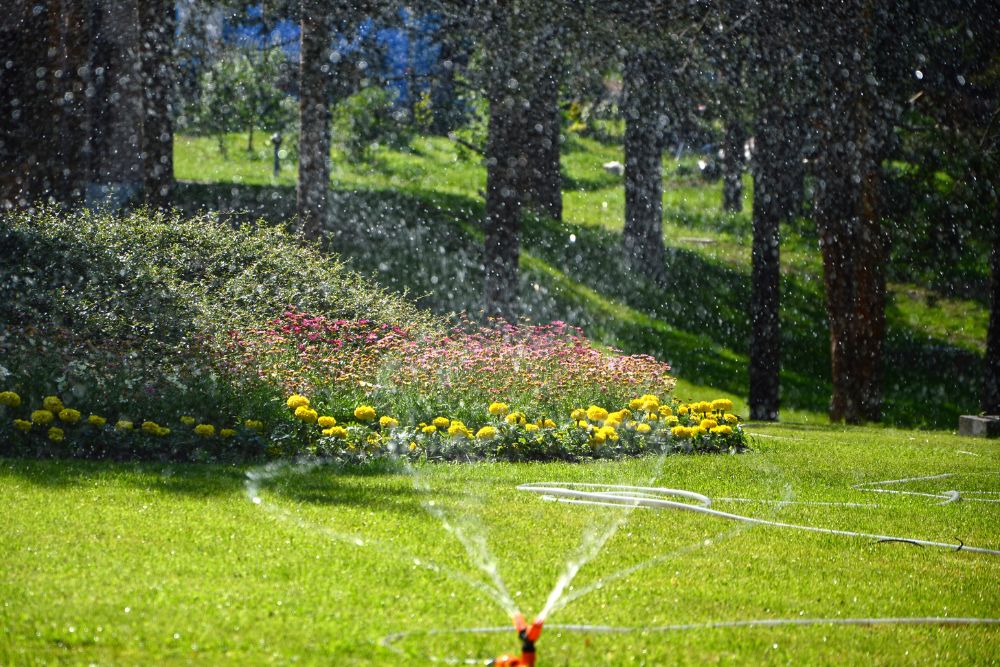
For example, lawns often perform best with sprinkler systems that provide even coverage across large areas. Shrubs, trees, and garden beds usually benefit from drip irrigation, which delivers water directly to the root zone while reducing evaporation.
Container gardens near patios and outdoor seating areas may require more frequent watering, especially during warm summer weather. By creating separate irrigation zones, each planting area receives the care it needs without wasting water.
This thoughtful approach supports healthier plants and contributes to more sustainable Bay Area landscaping.
Avoid Expensive Changes Later
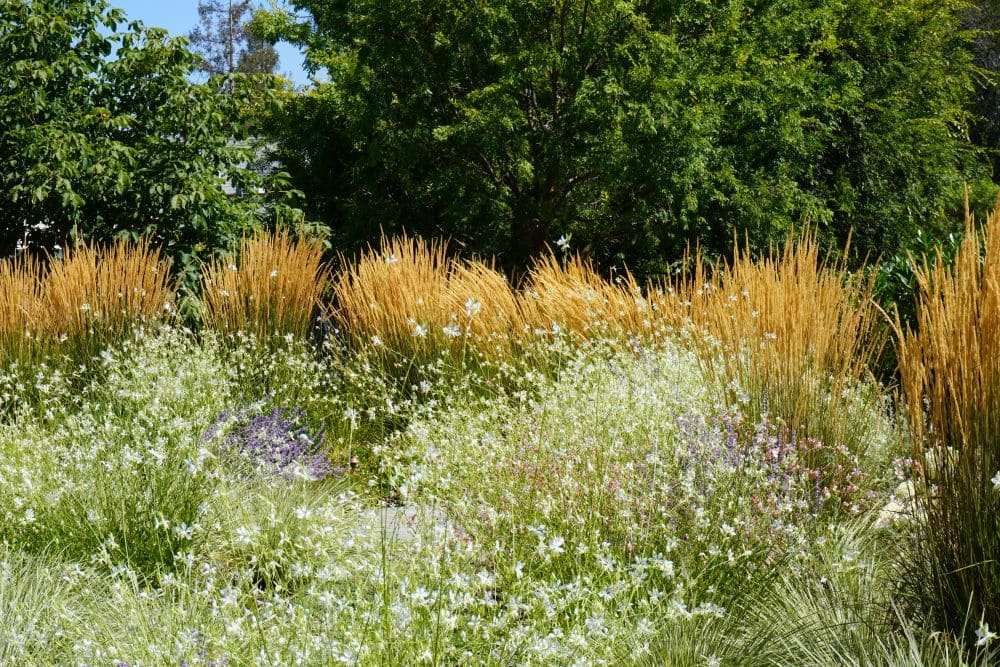
Installing irrigation after the landscape is complete often creates unnecessary work and expense.
If irrigation lines need to be added later, contractors may have to dig through finished planting beds, remove sections of lawn, or work around mature trees and shrubs. In some cases, hardscape features such as patios, walkways, or retaining walls may also need to be disturbed.
These additional repairs can increase both the cost and the time needed to complete the project.
Planning irrigation before landscape installation helps avoid these problems.
Contractors can install underground piping before plants are in place and before finished surfaces are completed. This protects the landscape while allowing the irrigation system to be tested before planting begins.
Early planning also reduces the risk of future repairs caused by poorly placed irrigation lines or uneven watering.
Whether you are creating a new garden or investing in luxury landscape design, planning irrigation from the start helps protect both your landscape and your budget.
Smart Irrigation Improves Water Efficiency
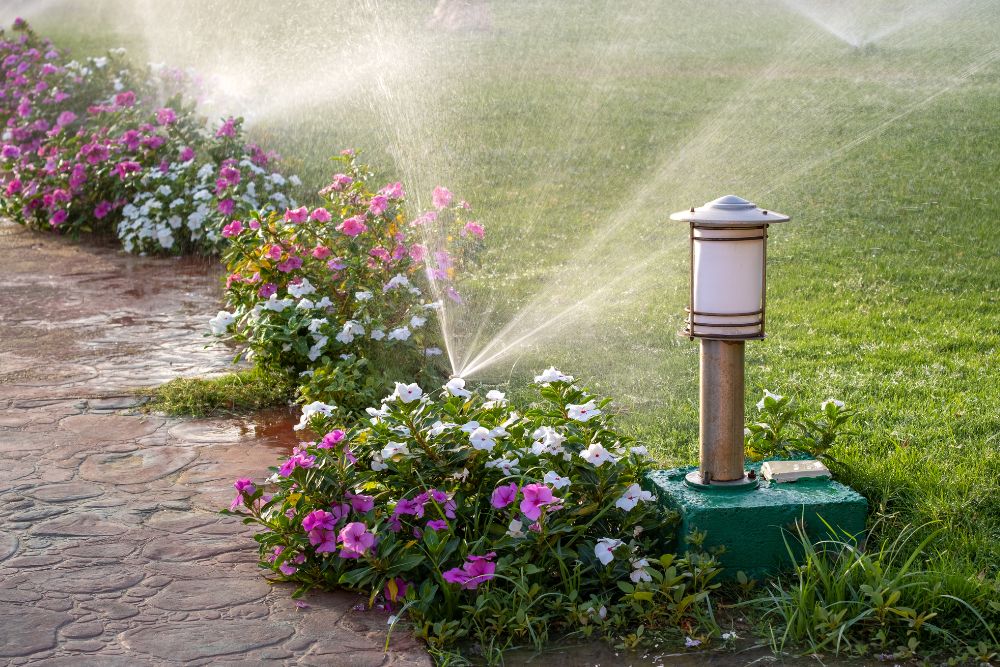
Water conservation is an important part of landscape design in the Bay Area. A well planned irrigation system helps homeowners use water more efficiently while keeping the landscape healthy.
Modern smart irrigation systems adjust watering schedules based on weather conditions, temperature, and seasonal changes. Instead of watering on a fixed schedule, these systems apply water only when it is needed. This helps prevent overwatering after rainfall and reduces unnecessary water use during cooler months.
Drip irrigation is another effective solution for many planting areas. It delivers water directly to the roots of trees, shrubs, and garden beds, where plants need it most. Because less water is lost through evaporation or runoff, plants receive steady moisture while using less water overall.
A properly designed irrigation system can also help lower monthly water bills while supporting healthier plant growth. For homeowners planning a new landscape, these long term savings often make early irrigation planning a worthwhile investment.
Irrigation Helps Landscapes Stay Beautiful
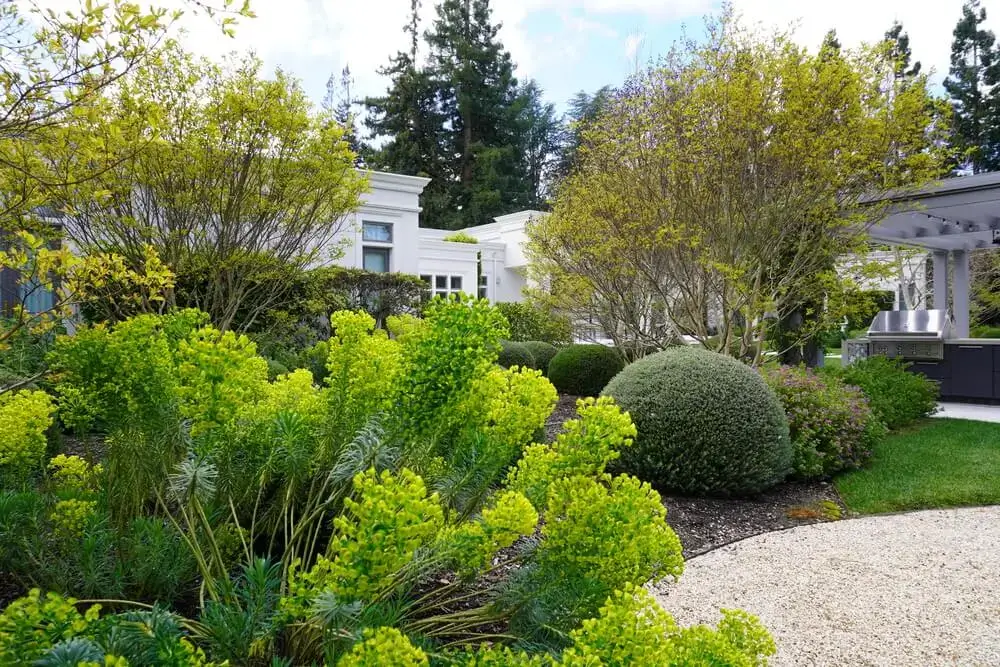
A healthy landscape depends on consistent watering.
Trees that receive the right amount of water develop stronger root systems and become more resilient during dry weather. Shrubs maintain fuller growth, flowering plants produce better blooms, and lawns stay greener throughout the growing season.
Proper garden irrigation also reduces many common plant problems. Overwatering can lead to root rot, disease, and weak growth, while underwatering causes stress, leaf drop, and poor performance. A well designed irrigation system helps avoid both extremes.
Consistent watering is especially important during the first year after planting. Newly installed trees and shrubs need regular moisture while their roots become established. Providing the right amount of water during this period helps plants adapt more quickly and supports long term health.
When irrigation is planned correctly from the beginning, the landscape remains attractive with fewer maintenance issues and healthier plants.
Work With Professionals From the Beginning
Every landscape is different. Soil conditions, sun exposure, plant selection, grading, and drainage all affect how water moves through the property.
An experienced landscape design company considers all of these factors before the first plant goes into the ground. Irrigation is planned alongside planting plans, drainage solutions, grading, and outdoor living spaces so every part of the project works together.
Professional planning also ensures that irrigation zones are designed to match the needs of different plant groups instead of applying the same amount of water everywhere.
Experienced high end landscaping contractors understand that irrigation is not a separate project. It is an important part of creating a landscape that will continue to perform well for years. By coordinating irrigation with every stage of the design and construction process, they help protect the homeowner’s investment and reduce future maintenance concerns.
Careful planning today creates a landscape that is easier to care for tomorrow.