

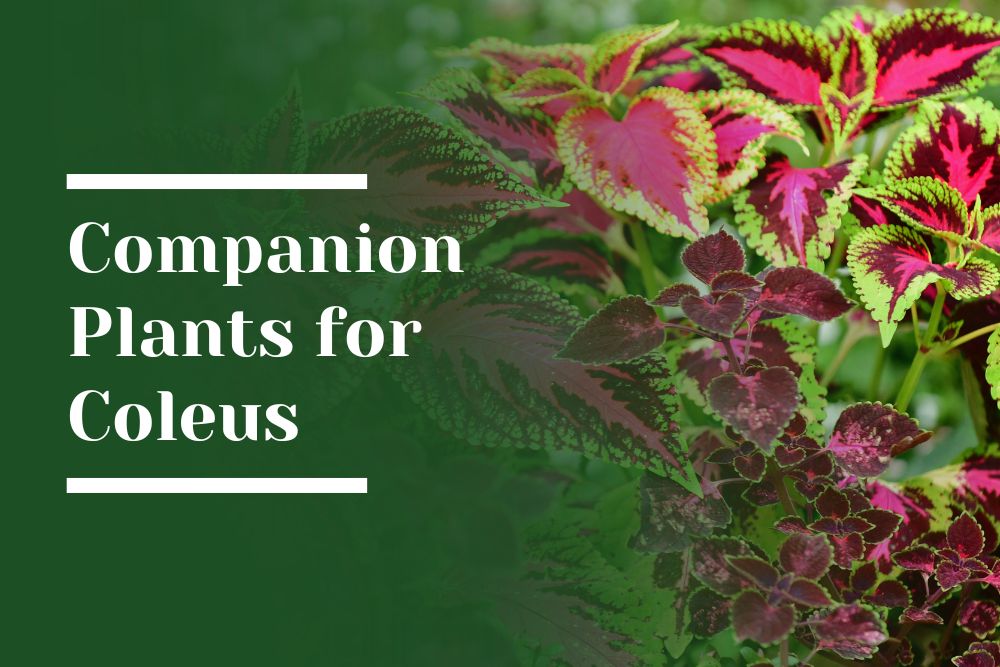
A well designed shade garden offers more than relief from the summer sun. It creates layers of color, texture, and interest that remain attractive throughout the growing season. In Atherton, where mature trees are often a defining feature of estate properties, shaded gardens provide an opportunity to introduce rich foliage and elegant planting combinations that complement the surrounding landscape.
Among the many plants used in luxury residential gardens, coleus continues to stand out for its remarkable foliage. Available in shades of deep burgundy, lime green, bright pink, purple, and bronze, coleus adds bold color without relying on flowers. When paired with the right companion plants, it becomes part of a layered planting design that feels balanced, sophisticated, and timeless.
Choosing companion plants is not simply about filling empty spaces. It is an important part of estate garden planting that creates contrast, supports healthy plant growth, and helps the landscape remain visually interesting throughout the season.
Why Coleus Works So Well in Luxury Gardens
Coleus has remained a favorite among landscape professionals because of its versatility. Unlike many seasonal plants that depend on blooms for visual impact, coleus provides continuous color through its ornamental foliage.
Its ability to thrive in partial to full shade makes it especially valuable in Atherton landscape design, where mature oaks, redwoods, and ornamental trees often create shaded garden areas.
Coleus also performs well in both garden beds and decorative containers. This flexibility allows designers to introduce vibrant foliage near entryways, patios, courtyards, and shaded outdoor living spaces.
Another advantage is its long growing season. With proper care, coleus continues providing bold foliage well into the warmer months, making it one of the most dependable plants for luxury garden design.
Five Long Lasting Plant Pairings for Coleus
Impatiens
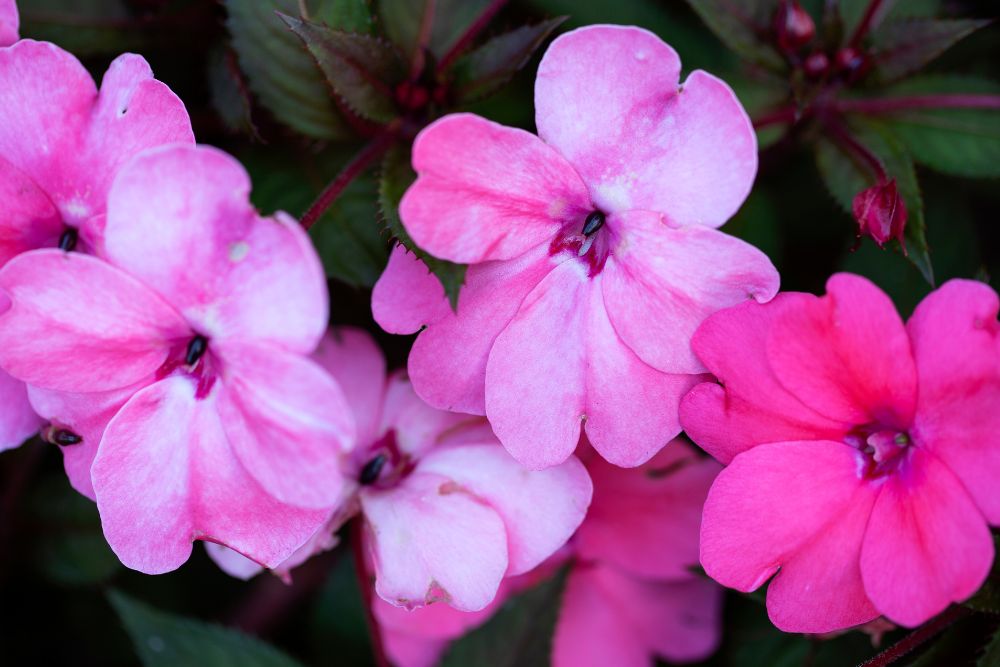
Impatiens remain one of the best companion plants for coleus, particularly in decorative containers where coleus is frequently planted.
Few annual flowers perform as well in shade, making impatiens an excellent choice for gardens with limited direct sunlight. Their continuous blooms complement the colorful foliage of coleus rather than competing with it.
One of their greatest advantages is the wide range of flower colors available. White, pink, coral, lavender, and red varieties can be selected to either contrast with or enhance different coleus foliage colors.
These plants require moderate watering and occasional deadheading but are otherwise easy to maintain. They work beautifully in entry containers, shaded patios, and formal garden beds where continuous color is desired.
Ferns
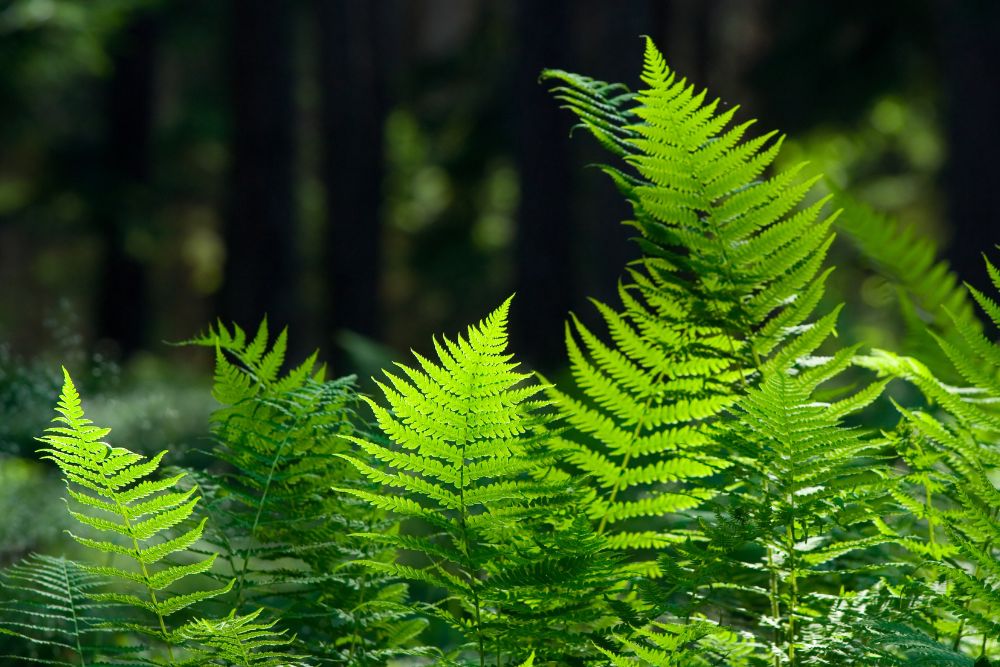
Ferns have long been considered one of the classic companions for coleus, and for good reason.
Their finely textured green foliage creates an ideal backdrop that allows the bold colors of coleus to stand out. This contrast adds depth without making the planting scheme feel busy.
Most fern varieties thrive in the same shaded conditions as coleus and require relatively little maintenance once established.
For larger estate properties, ferns are often used beneath mature trees or along shaded pathways where they help create a woodland inspired landscape. Their graceful appearance softens hardscape features while reinforcing a natural planting style.
Caladium
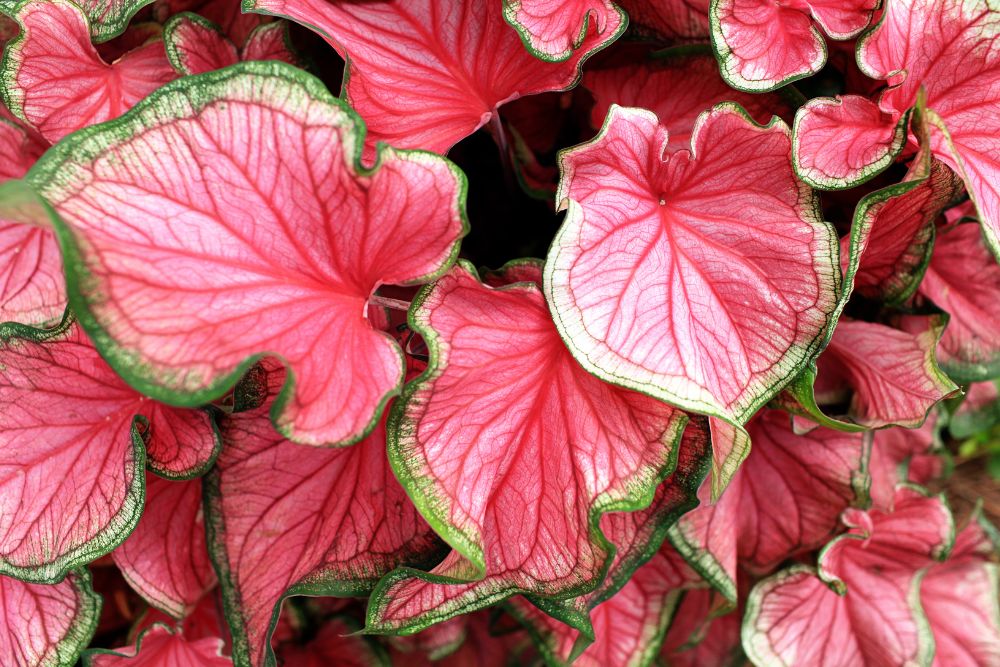
Caladiums offer another exceptional pairing for coleus because both plants are grown primarily for their foliage.
Available in striking combinations of white, red, pink, green, and yellow, caladiums introduce another layer of color while maintaining a cohesive planting palette.
Since both plants thrive in shaded environments, they naturally complement one another in garden beds and containers.
When grouped together, caladium and coleus create dramatic foliage displays that feel vibrant without relying heavily on seasonal flowers. This makes them particularly effective in luxury landscape design where foliage often provides year round visual structure.
Heuchera
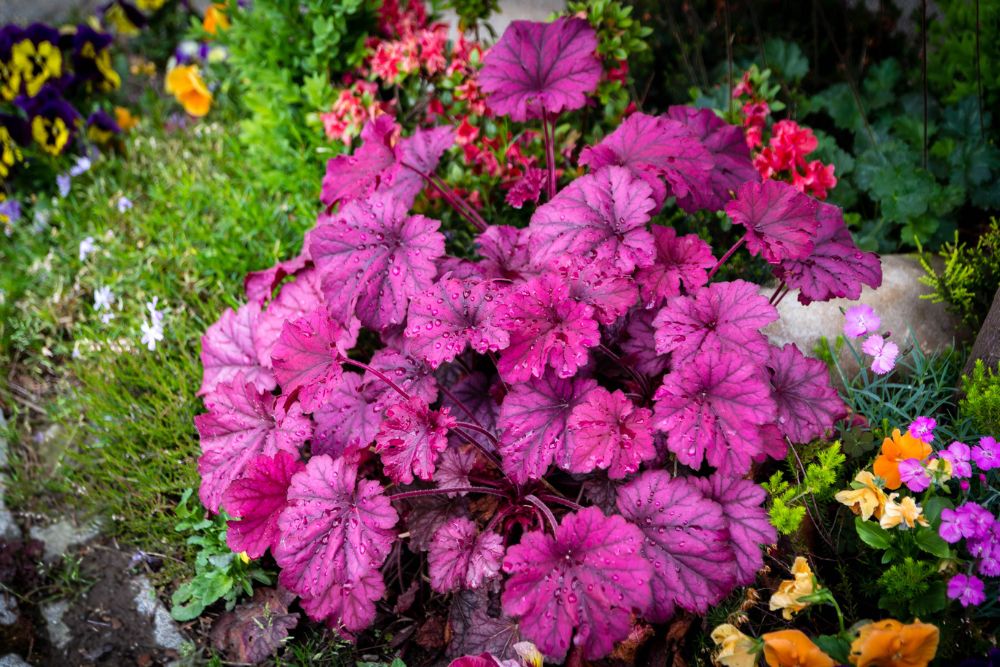
Heuchera adds another dimension to shaded planting areas through its compact form and richly colored foliage.
Available in shades ranging from deep plum to caramel, silver, and lime green, it complements coleus while introducing additional texture near the ground layer.
Many varieties remain attractive for much of the year, making them a dependable choice for long lasting planting combinations.
Heuchera works especially well along pathways and garden borders where its mounded habit helps soften planting edges while maintaining structure.
Japanese Forest Grass
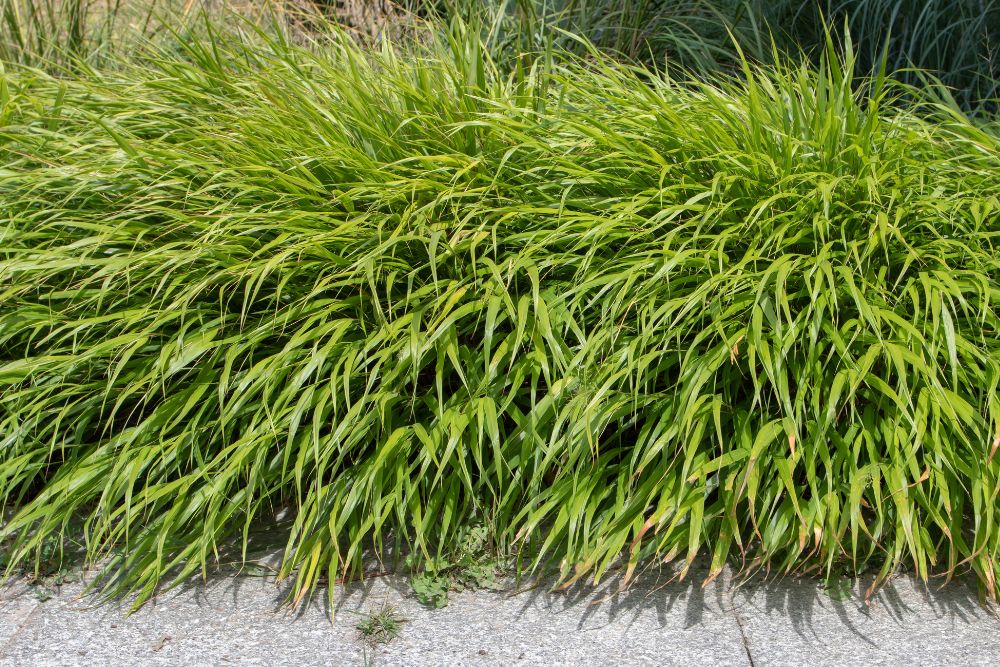
Japanese Forest Grass brings elegance through movement rather than bold color.
Its gently arching foliage creates a soft, flowing appearance that contrasts beautifully with the broad leaves of coleus.
Green and golden varieties both perform well in shaded conditions, adding brightness to darker planting areas.
Because of its graceful habit, Japanese Forest Grass is often used to soften the edges of pathways, retaining walls, and garden steps. It also helps connect taller shrubs with lower growing perennials, creating smooth transitions throughout the planting design.
Together, these five companion plants demonstrate how layered planting can transform a shaded garden into a landscape rich with texture, color, and seasonal interest. Rather than relying on flowers alone, thoughtful foliage combinations create elegant compositions that continue to improve as the garden matures.
Design Tips for Pairing Coleus in Estate Gardens
Successful shade gardens are built on more than individual plant choices. The most attractive landscapes use layers of foliage, varying heights, and complementary textures to create a garden that feels balanced throughout the year.
One of the simplest ways to achieve this is through layered planting. Taller shrubs or small ornamental trees create the backdrop, while coleus and its companion plants fill the middle and lower layers. This approach gives planting beds more depth and helps every plant stand out.
Texture is equally important. The broad leaves of coleus look especially striking when paired with the fine foliage of ferns or the graceful movement of Japanese Forest Grass. This contrast keeps the garden visually interesting even when flowers are limited.
Color should also be considered carefully. Since coleus is available in bold shades of burgundy, chartreuse, pink, and purple, companion plants should either complement or gently soften those tones. Caladiums with white foliage can brighten darker planting areas, while green ferns provide a calming backdrop. Impatiens can be selected in matching or contrasting colors to create a more cohesive display.
Containers offer another opportunity to showcase coleus combinations. Decorative pots placed near entryways, patios, or outdoor seating areas allow homeowners to introduce vibrant foliage into spaces that may otherwise feel shaded or underused. Because containers can be refreshed seasonally, they also provide flexibility for updating the garden throughout the year.
Shaded entry gardens are another ideal location for these plant pairings. The combination of ornamental foliage, layered planting, and natural textures creates a welcoming entrance that feels elegant without being overly formal.
Thoughtful plant combinations also help extend seasonal interest. Even as flowering plants come and go, the varied foliage of coleus, ferns, caladiums, and heuchera continues to provide texture and color, ensuring the landscape remains attractive for months.
Why Professional Plant Planning Makes a Difference
Luxury gardens often appear effortless, but the most successful planting designs are carefully planned long before the first plant goes into the ground.
An experienced estate landscape designer considers far more than color alone. Sun exposure, mature plant size, irrigation needs, soil conditions, and seasonal performance all influence how a planting scheme will develop over time.
Proper spacing is another important factor. Plants that look small when installed can quickly outgrow their space if they are not positioned correctly. Careful planning allows each plant to mature naturally while maintaining the overall balance of the garden.
An experienced designer also understands how different foliage textures interact. Pairing bold coleus leaves with finer grasses or delicate ferns creates visual contrast that feels intentional rather than crowded.
Homeowners often work with a luxury landscape design company because professional planning creates gardens that continue improving year after year. Rather than replacing plants frequently, the focus is on selecting combinations that remain healthy, attractive, and appropriate for the property’s architecture and environment.
This long term approach is especially valuable for estate gardens, where planting is expected to mature gracefully while supporting the overall landscape design.