
Autumn is a useful time to rethink the planting in a Woodside garden. As summer heat begins to ease and the first seasonal rains approach, many plants have a better chance to establish roots before the warmer, drier months return.
Woodside gardens can vary quite a bit from one property to another. Sun exposure, elevation, soil, drainage, wind and nearby trees can all affect how a plant performs. That is why choosing flowers for a local garden is about more than picking a plant that looks good at the nursery.
For homeowners planning landscaping in Woodside, autumn also provides an opportunity to add color while preparing beds for the seasons ahead. Here are five flowers that can work well in suitable Woodside garden conditions.
Why Autumn Is a Good Time to Add Flowers to a Woodside Garden
The Bay Area has a Mediterranean climate, with generally dry summers and cooler, wetter winters. Within that larger climate, local microclimates can be very different. A sunny area can be considerably warmer than a shaded spot beneath mature trees, while a property with heavier soil may have very different planting needs from one with good drainage.
Fall is also a good planting season for many ornamental plants because cooler weather and winter rainfall can help new plants establish before summer arrive.
1. Snapdragons
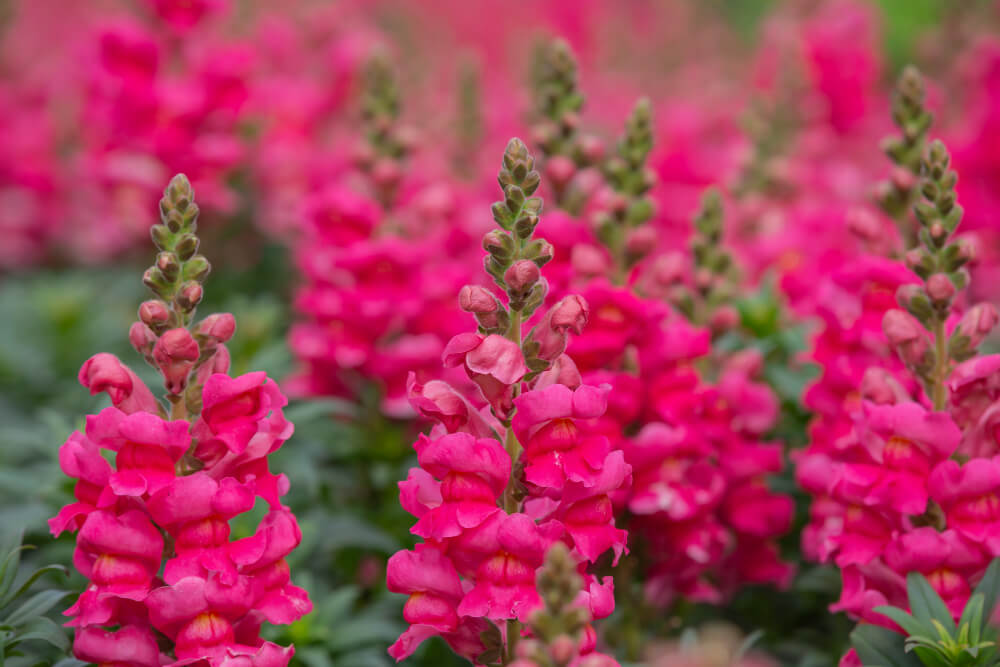
Snapdragons are a good choice when you want strong seasonal color in a Woodside garden. They perform particularly well in cooler weather and can flower again in fall after taking a break during the hottest part of summer.
For a garden that receives plenty of sun, plant snapdragons in well drained soil and give them regular water while they are getting established. Once established, watering should be adjusted according to the weather and the conditions of the planting bed.
Snapdragons work well along paths, in flower borders and around shrubs where their upright flower stems add height. They can also be planted in groups when a stronger block of seasonal color is wanted.
In a Woodside landscape, snapdragons can provide flowers through the cooler months, although the exact flowering period will depend on the variety and site conditions.
One simple care tip is to remove spent flower stems regularly. This can encourage the plant to produce additional flowers.
2. Calendula
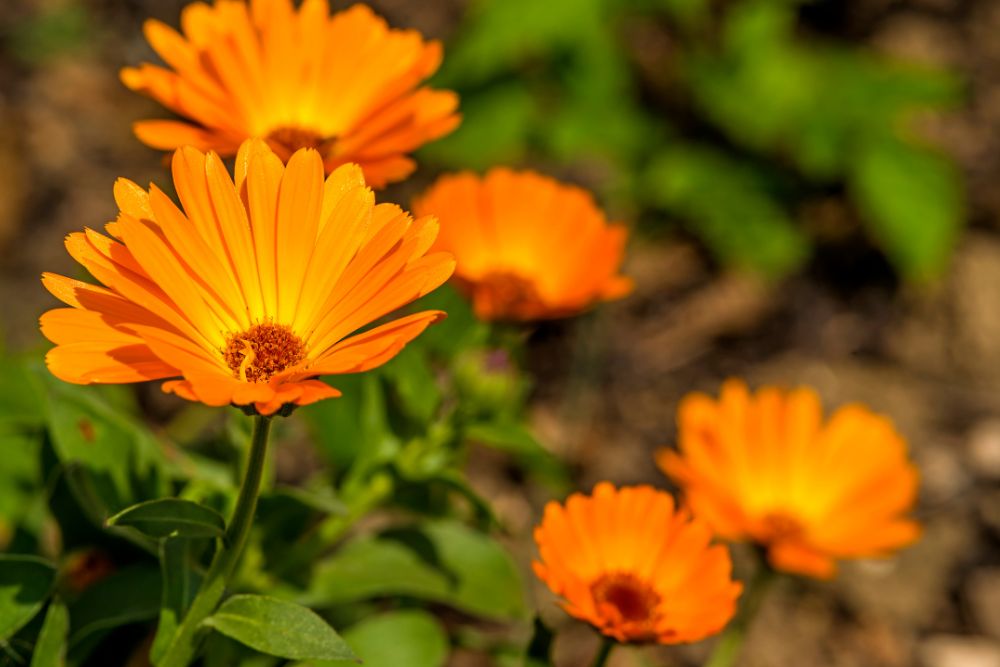
Calendula is another useful choice for a fall planting plan. It is well suited to cool season gardening and can bring warm yellow and orange flowers to beds when many summer flowers are beginning to fade.
Plant calendula in a sunny location with soil that drains reasonably well. Water new plants regularly while they establish, then adjust watering as temperatures fall and seasonal rain begins.
Calendula works particularly well in informal flower beds and cottage style gardens. Its warm colors can also be paired with ornamental grasses, evergreen shrubs and plants with gray or silver foliage.
In Woodside, calendula can provide seasonal interest through the cooler part of the year, with flowering depending on the variety and local conditions.
Deadhead spent flowers if you want to encourage continued blooming and keep the planting looking tidy.
3. Pansies
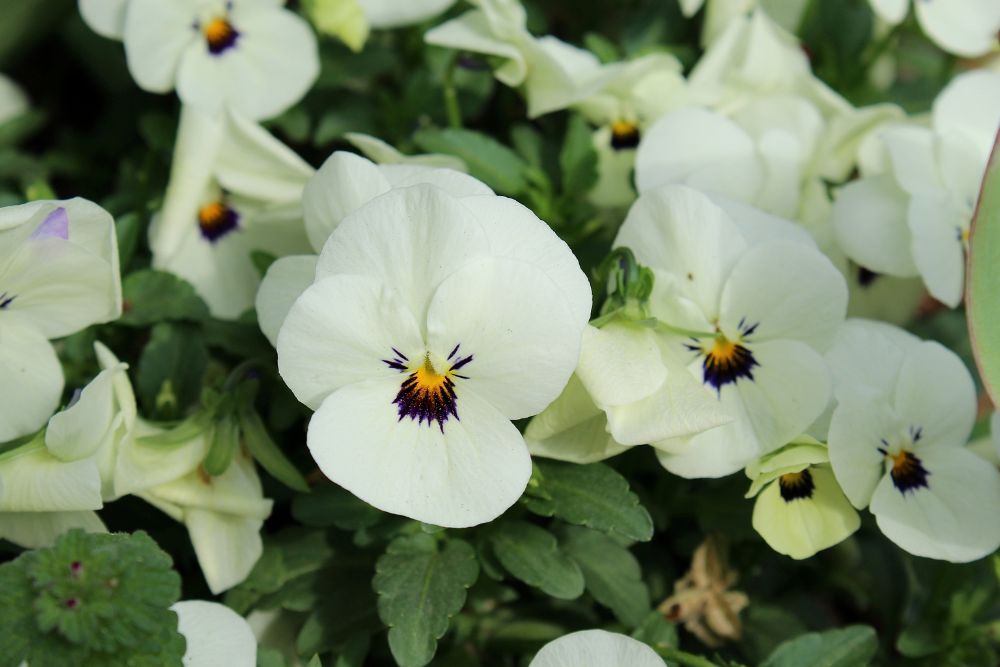
Pansies are a familiar cool season flower, but they remain useful for a reason. They provide reliable color in cooler weather and are available in a wide range of flower colors.
They are particularly useful for smaller planting areas, containers, paths and the front edges of larger flower beds. Pansies generally prefer good light and soil that does not remain waterlogged.
For Woodside properties, the best location will depend on the amount of sun available. A garden bed with morning sun and some protection from stronger afternoon exposure can be useful in warmer locations.
Pansies can provide color through fall and winter and may continue into spring when conditions are favorable.
Remove faded flowers regularly to keep the plants looking neat and encourage continued flowering.
4. Violas
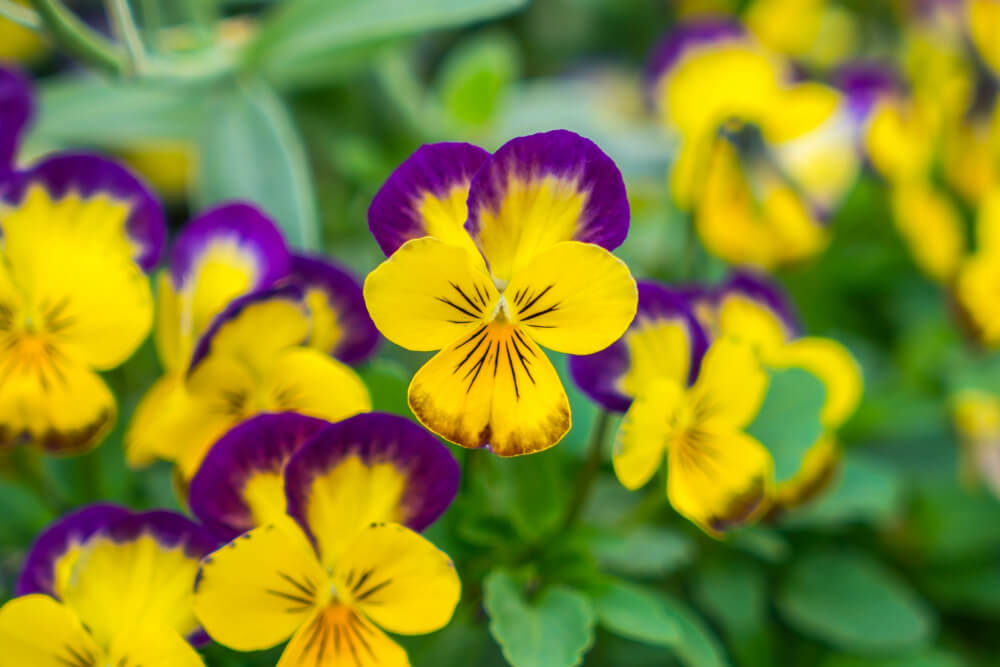
Violas are closely related to pansies and are another practical option for cooler season planting. Their smaller flowers can create a softer, more natural appearance when planted in groups.
They work well along pathways, around larger shrubs and at the front of mixed borders. They can also fill gaps between established plants while larger landscape elements provide structure.
Choose a location with suitable light and well drained soil. Keep newly planted violas consistently watered while their roots establish, but avoid keeping the soil constantly saturated.
In a Woodside garden, violas can provide seasonal color through cooler weather and can work especially well in areas where a delicate flower is more appropriate than a large, upright bloom.
Removing faded flowers is a simple way to keep the planting looking fresh.
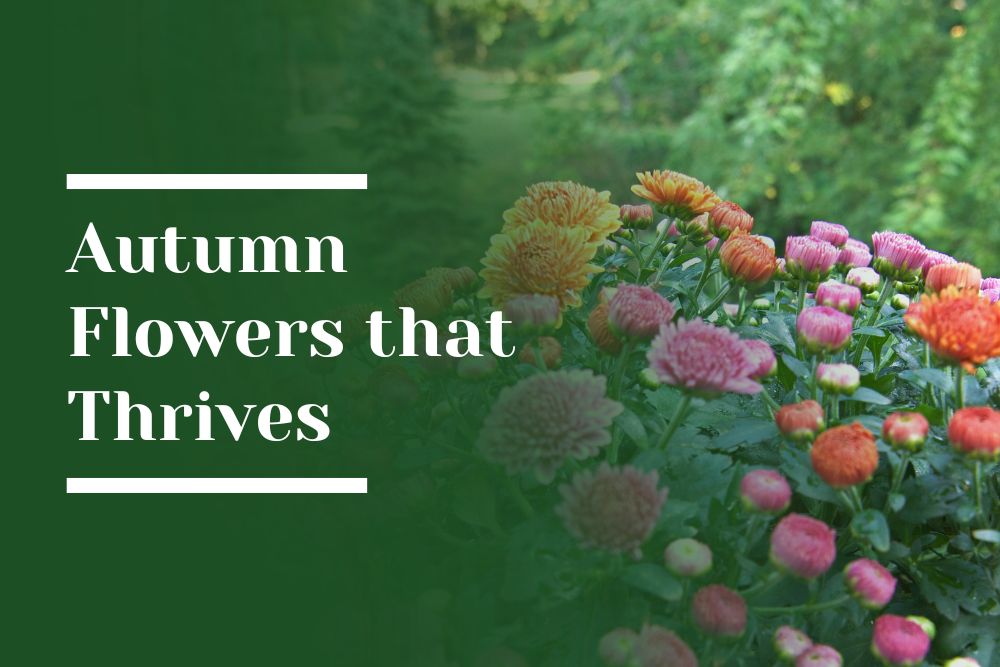
5. Chrysanthemums
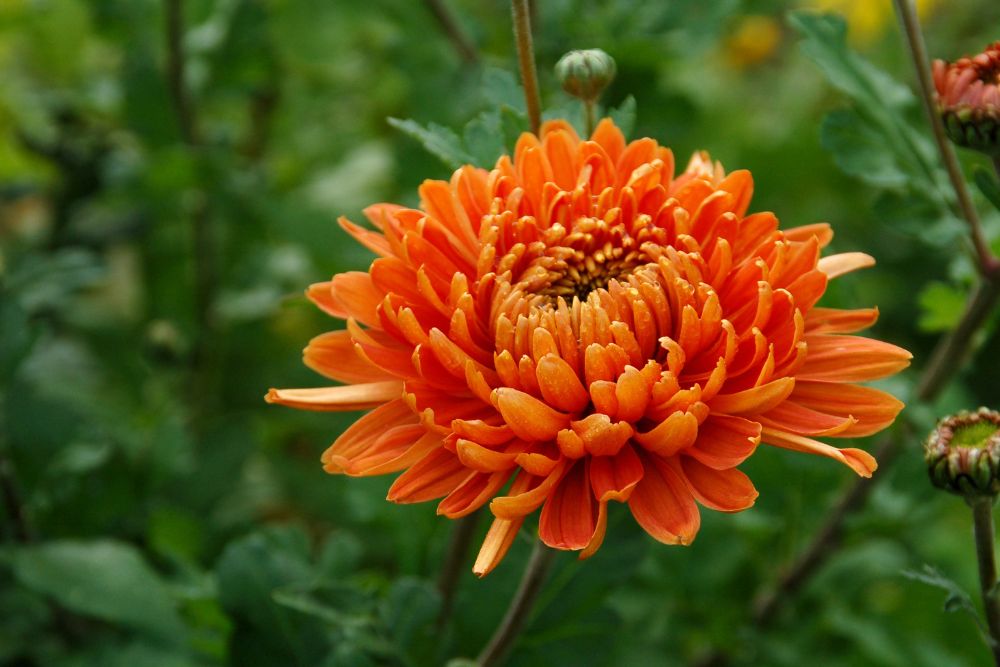
Chrysanthemums are one of the most recognizable flowers of autumn. They are available in many colors and forms, making them useful when you want a stronger seasonal display.
Chrysanthemums prefer good sunlight and soil with adequate drainage. They need regular water while establishing, but watering should be adjusted as temperatures cool and rainfall increases.
They can be used in formal planting beds, mixed borders or containers. In a larger Woodside landscape, chrysanthemums can also be used as seasonal accents among evergreen shrubs and grasses rather than filling an entire bed with flowers.
Their main period of interest is usually autumn, although the length of the display depends on the variety, planting date and growing conditions.
A useful care practice is to avoid overhead watering when possible and provide enough space around plants for good air circulation.
How to Combine Autumn Flowers With Your Woodside Landscape Design
Flowers are only one part of a well planned garden. A successful planting design considers what happens around them as well.
For example, autumn flowers can be placed in front of evergreen shrubs to create a seasonal layer of color. Ornamental grasses can provide movement and texture, while mature trees can provide shade and structure. Paths, walls, patios and other landscape features can also influence where flowers should be planted.
This is where Woodside landscape design becomes more than simply choosing attractive plants. A good planting plan considers how the garden will look as plants mature and how much maintenance each area will require.
It is also important to group plants with similar water requirements.
When to Get Professional Landscaper Help With Plant Selection
Choosing flowers becomes more complicated when a property has mature trees, heavy soil, slopes, limited sunlight or several different microclimates.
A professional landscape designer can look at the property as a whole and recommend plants based on existing trees, architecture, sunlight, drainage, soil and the overall design of the garden.
For larger properties, plant selection should also consider how individual flowers relate to shrubs, trees, pathways and outdoor living areas. The goal is not simply to find plants that survive. It is to create a garden where the different layers work together over time.
Petrus Landscape works with homeowners throughout Woodside and the surrounding Bay Area on landscape design and garden projects. A local landscape design company can also help coordinate plant selection with irrigation, planting layout and ongoing garden maintenance.
Creating a Garden That Changes With the Seasons
Autumn does not have to be a quiet period in a Woodside garden. Snapdragons, calendula, pansies, violas and chrysanthemums can all add seasonal color when planted in the right conditions.
The best choices will depend on the individual property. Before planting, look at the amount of sun, drainage, soil conditions and existing plants in the area. A thoughtful planting plan can help autumn flowers fit naturally into the larger landscape instead of looking like an addition made at the last minute.
For homeowners considering a new garden or updating an existing landscape, working with an experienced landscape designer can make it easier to choose plants that suit both the property and the way you want to use the garden.