
Building a new landscape is exciting, but there’s a lot that happens before the first tree is planted or the patio is installed.
The best projects don’t happen by chance. They start with a clear plan that covers everything from drainage and irrigation to planting and materials. When each step is planned in advance, construction runs more smoothly and the finished landscape looks better and lasts longer.
If you’re planning a landscape project in Atherton, understanding what happens during each stage can help you make better decisions and feel more confident throughout the process.
Every Project Starts With Understanding the Property
Before any construction begins, the first step is getting to know the property.
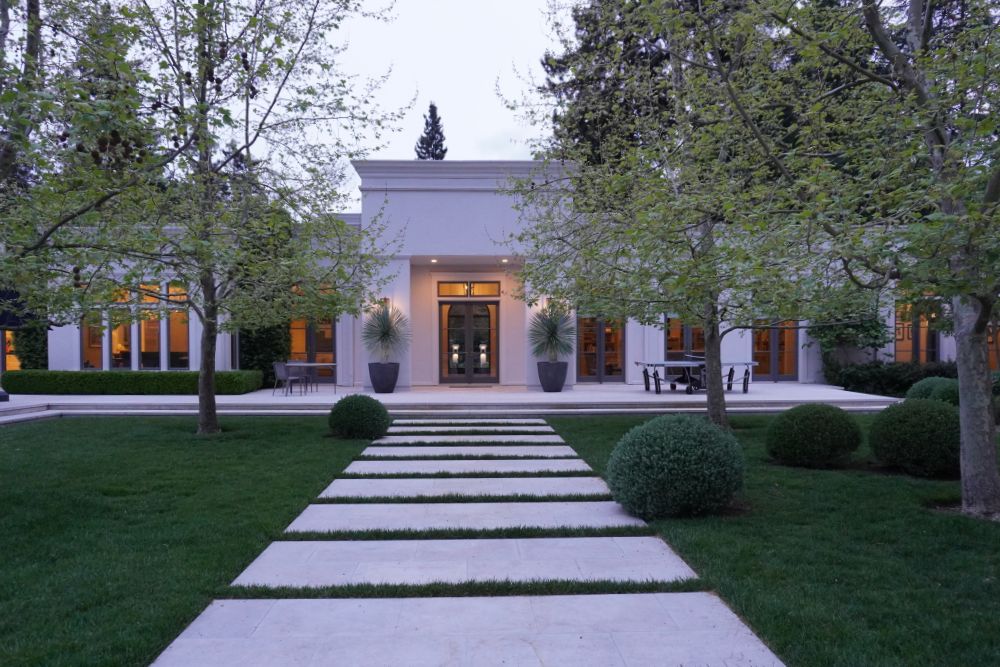
During the initial consultation, the designer walks through the site, listens to your ideas, and learns how you want to use the space. Every property is different, so understanding the layout, existing features, and any site challenges is an important part of creating the right landscape design.
The site is carefully evaluated for sunlight, drainage, soil conditions, mature trees, views, and privacy. These details help shape the overall design and ensure the finished landscape fits both the property and your lifestyle.
This is also the time to think about outdoor living areas, planting style, entertaining spaces, and long term maintenance. Rather than choosing plants or materials first, the focus is on creating a complete plan where every part of the landscape works together.
Planning Now Saves Problems Later
Once the design has been approved, the next stage is preparing everything before construction begins.
Although this part of the project happens behind the scenes, it plays a big role in keeping construction organized and avoiding unnecessary delays.
Detailed construction drawings are prepared to show where patios, walkways, planting beds, irrigation, lighting, and other landscape features will be installed. Having these plans ready gives everyone working on the project a clear direction from the start.
One of the most important parts of this stage is irrigation planning.
Trees, lawns, shrubs, and flower beds all require different amounts of water. Designing the irrigation system before construction begins makes it much easier to provide the right amount of water to each area without wasting it.
Material selection also happens during this phase. Natural stone, pavers, retaining wall materials, lighting fixtures, and plants are chosen early so they are available when construction begins.
Taking the time to complete these decisions before breaking ground helps the entire landscape installation move forward more efficiently.
Here’s What Happens During Construction
Once the planning is complete, construction can begin.
If the property already has an existing landscape, the first step is removing anything that won’t be part of the new design. This may include outdated planting, worn lawns, damaged hardscape, or other features that no longer meet the homeowner’s goals.
After the site has been cleared, grading begins.
Proper grading is one of the most important parts of the project because it improves drainage and creates a stable foundation for patios, planting beds, lawns, and other landscape features. Getting this right early helps prevent water problems in the future.
Next comes hardscape installation.
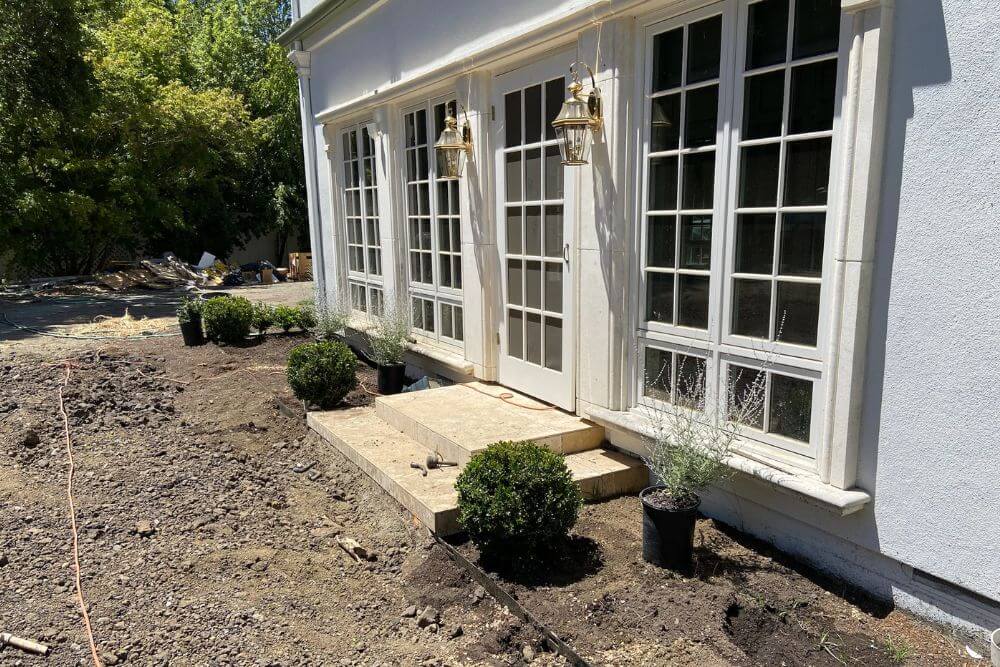
Patios, driveways, retaining walls, walkways, and outdoor kitchens are typically built before planting begins. Completing these larger features first protects newly installed plants from heavy equipment and construction activity.
Once the hardscape is finished, the irrigation system is installed underground.
Sprinklers, drip irrigation, valves, and controllers are carefully positioned and tested before planting begins. Landscape lighting is often installed at the same time so wiring remains hidden beneath the finished landscape.
Planting is usually the stage homeowners look forward to most.
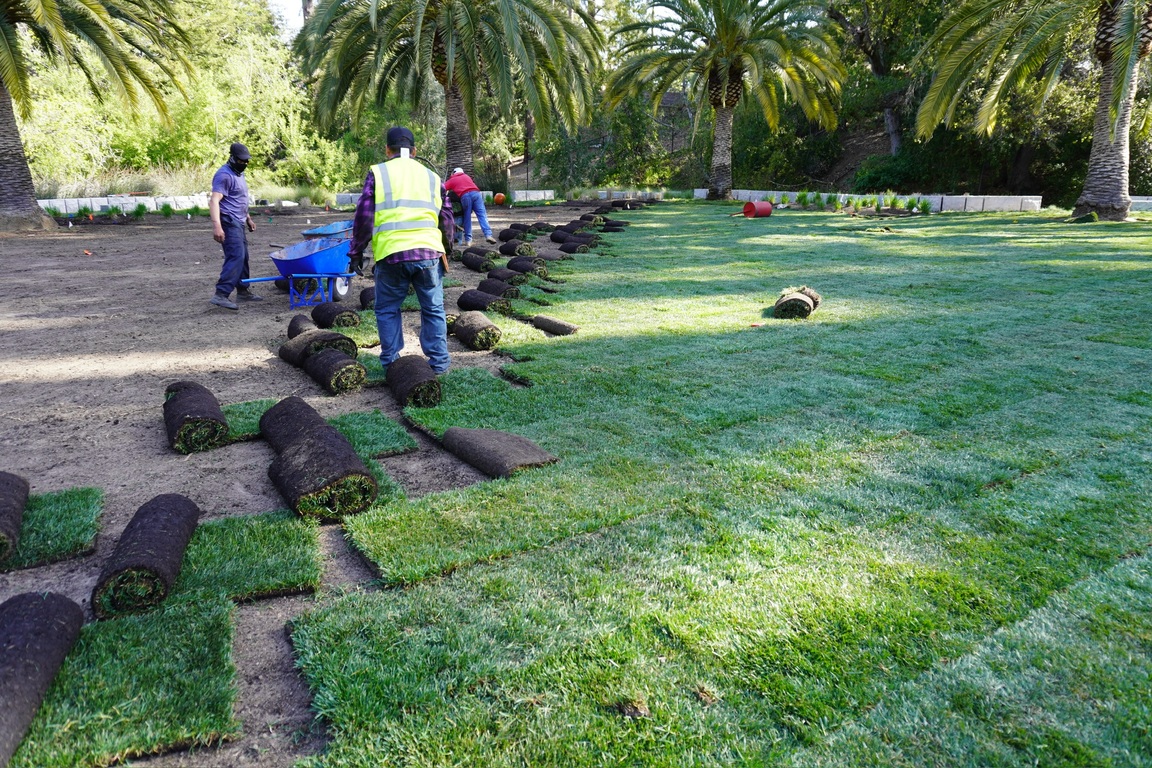
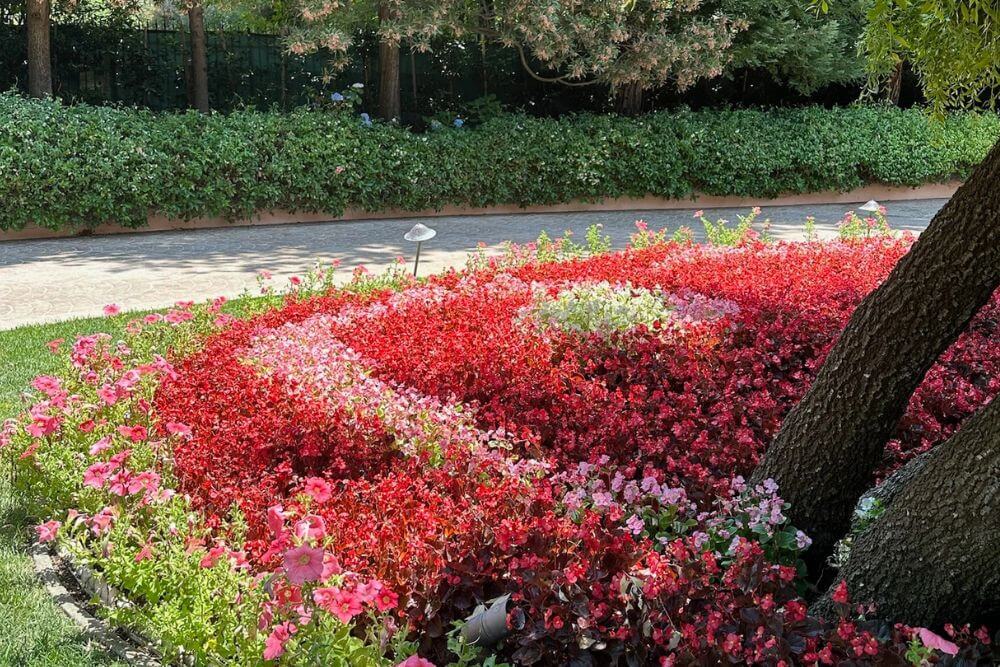
Trees are installed first to provide structure and define the landscape. Shrubs, ornamental grasses, perennials, and seasonal flowers follow. Finally, lawn areas are completed using sod or seed, depending on the project.
By this point, the design starts to come to life as every element begins working together.
The Small Details Make a Big Difference
As construction nears completion, attention shifts to the finishing touches.
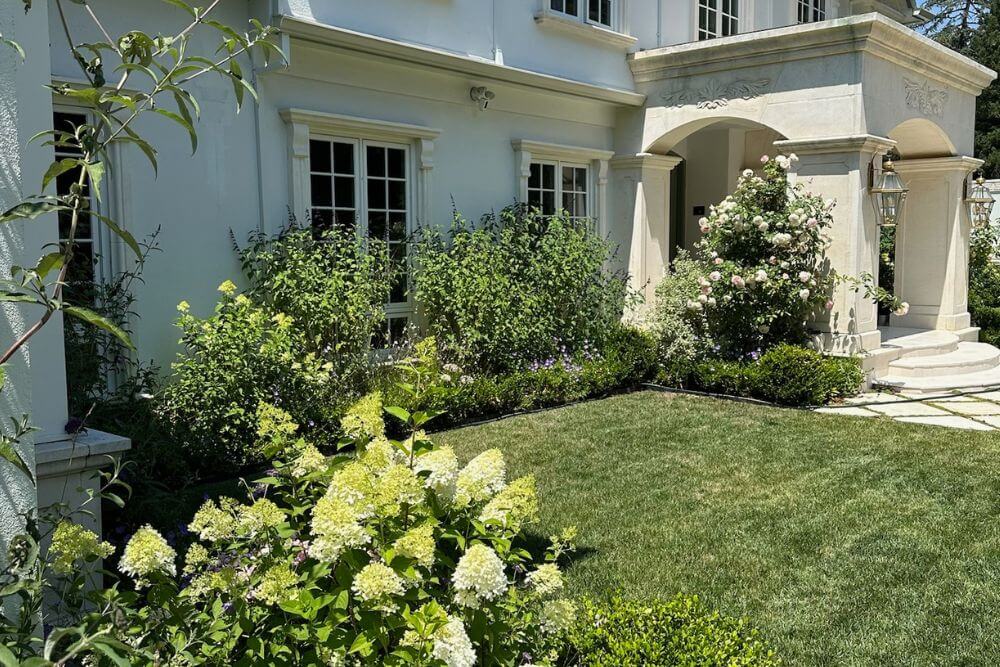
Fresh mulch is added around planting beds to help retain moisture, reduce weeds, and give the garden a clean appearance. Decorative gravel may also be installed around pathways or drought tolerant planting areas to add texture and improve drainage.
The planting team carefully checks every tree, shrub, and perennial to make sure everything is positioned correctly. Even small adjustments at this stage can improve the balance and overall appearance of the landscape.
Before the project is finished, the irrigation system is tested one final time. Every sprinkler head, drip line, and controller is checked to make sure each planting area receives the correct amount of water.
The property is then thoroughly cleaned. Construction materials are removed, pathways are cleaned, and planting beds are prepared for their first growing season.
These final steps may seem simple, but they make a noticeable difference in both the appearance and long term performance of the landscape.
What to Expect While Construction Is Underway
Landscape construction takes time, and every project follows its own schedule.
The timeline depends on the size of the property, the complexity of the design, material availability, and weather conditions. Throughout the project, good communication helps homeowners understand what work is happening and what comes next.
There will be times when heavy equipment is on site and other times when crews focus on planting and finishing work. Temporary changes to property access are normal while different parts of the project are completed.
Weather can also affect the schedule. Heavy rain may delay grading or hardscape installation, while periods of extreme heat may require adjustments to planting or irrigation.
An experienced landscape contractor plans for these situations and keeps the project moving while maintaining quality at every stage.
Why Professional Planning Makes the Difference
A finished landscape is only as good as the planning behind it.
Every part of the project, from grading and drainage to planting and lighting, needs to work together. When these details are coordinated from the beginning, the result is a landscape that looks natural, functions well, and is easier to maintain.
Professional garden design also looks beyond the day construction is finished. Trees need space to mature, shrubs should be planted with future growth in mind, and irrigation should support healthy plant development for years to come.
Working with a team that provides complete landscape design services helps keep the project organized from the first consultation through the final walkthrough. Designers, project managers, and installation crews work together to make sure every phase follows the original vision.
The result is an outdoor space that not only looks beautiful on completion day but continues to grow and improve with time.