
Fall can be a good time to top dress a lawn, particularly when the grass is still growing and the soil is suitable for treatment. Adding a thin layer of the right material can help improve soil conditions, but the timing matters just as much as the compost itself.
In the Bay Area, the best time depends on the type of grass, local weather, and the condition of the existing lawn.
When is the Best Time to Top Dress a Lawn in the Bay Area?
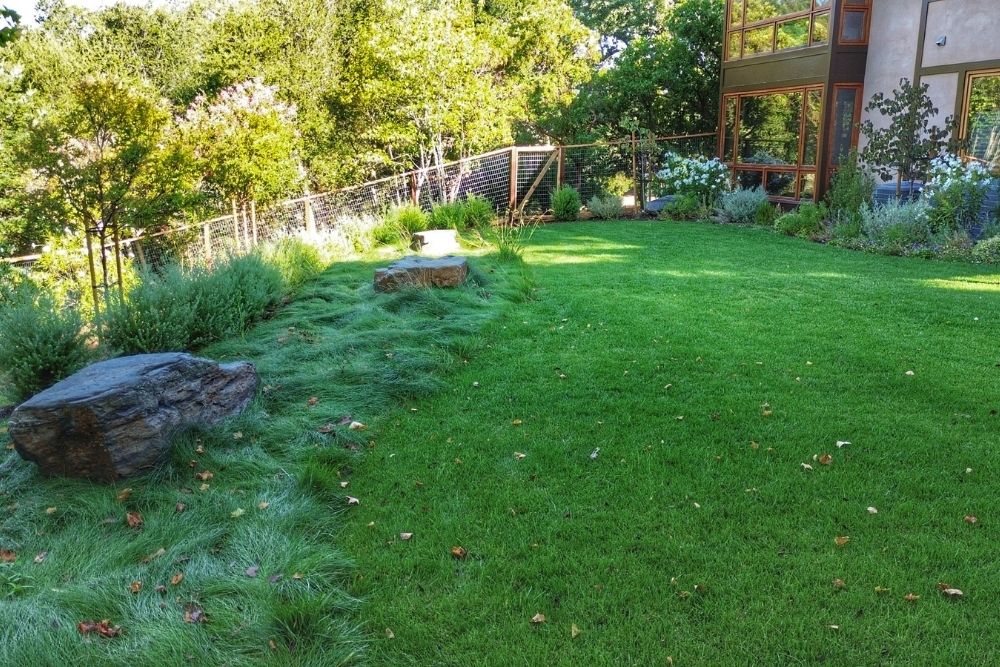
The best time to top dress a lawn is generally during a period when the grass can recover and continue growing. For many lawns, this means spring or fall, but the right season depends on whether the grass is a cool season or warm season variety.
Cool season grasses tend to grow most actively during cooler weather, making spring and fall useful periods for lawn care. Warm season grasses grow most actively during warmer weather, so late spring or summer may be more suitable when conditions support active growth.
Before choosing a date, consider the condition of the grass and the soil. Top dressing works best when the lawn is healthy enough to recover and the material can be applied without burying the grass.
Why Fall Can Be a Good Time for Lawn Top Dressing
Fall offers an opportunity to address lawn problems before the following growing season. Temperatures may be more moderate than during summer, and seasonal rainfall can help keep the soil moist after treatment.
It is also a practical time to assess the lawn after months of summer use. Compacted areas, uneven growth, and places where water does not soak into the soil may become easier to identify.
However, fall is not automatically the best time for every lawn. The grass should be growing under suitable conditions, and the soil should not be excessively wet. Applying compost when the lawn cannot recover properly may do little to improve its condition.
Should You Aerate Before Top Dressing?
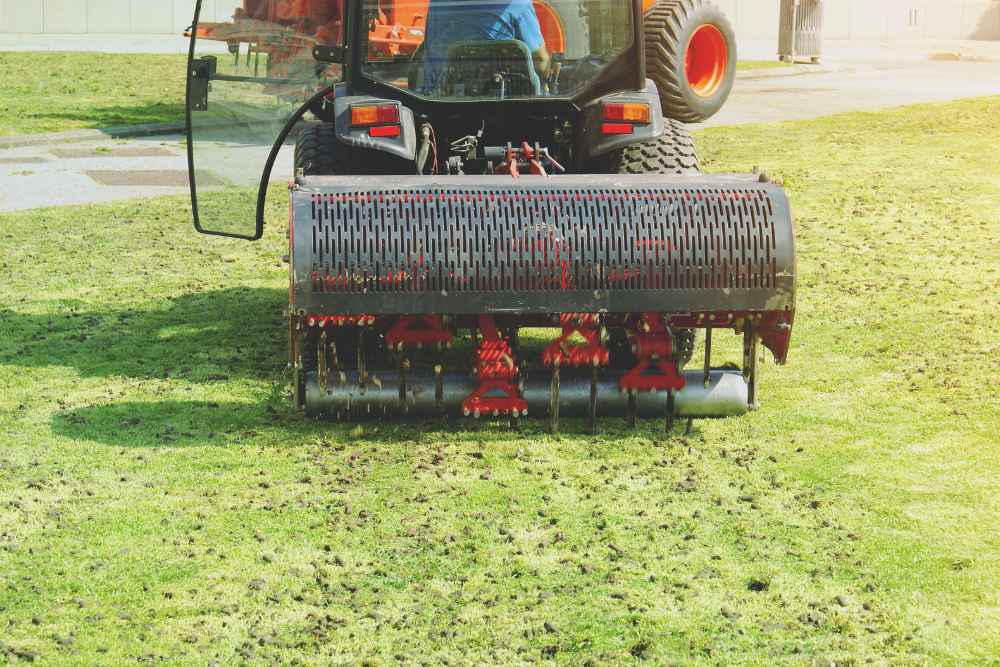
Lawn aeration and top dressing are often used together, particularly when the soil is compacted.
Core aeration removes small plugs of soil from the lawn. This creates openings that help water and air move into the soil and can improve conditions for grass roots.
After aeration, a suitable top dressing can be spread over the lawn. Some of the material can settle into the openings, helping bring the amendment into closer contact with the soil.
Aeration is not necessary before every top dressing treatment. If the soil is already in good condition and compaction is not a concern, a thin application may be sufficient. The decision should depend on the lawn’s needs rather than following the same process every year.
Choose the Right Material for Your Lawn
Not all compost is suitable for top dressing grass. Traditional garden compost can be too heavy or coarse for some lawns, while blends designed for lawn top dressing are generally easier to spread in a thin, even layer.
The right material depends on the existing soil and the reason for applying it. A lawn with compacted soil may need a different approach from one where the main goal is to add organic matter.
It is also worth considering drainage. A material that holds too much moisture or is poorly matched to the existing soil may create problems rather than improve growing conditions.
For established lawns, choose a suitable, well prepared blend and avoid applying material simply because it is available. The aim is to improve the soil without covering the grass excessively.
How Much Top Dressing Should You Apply?
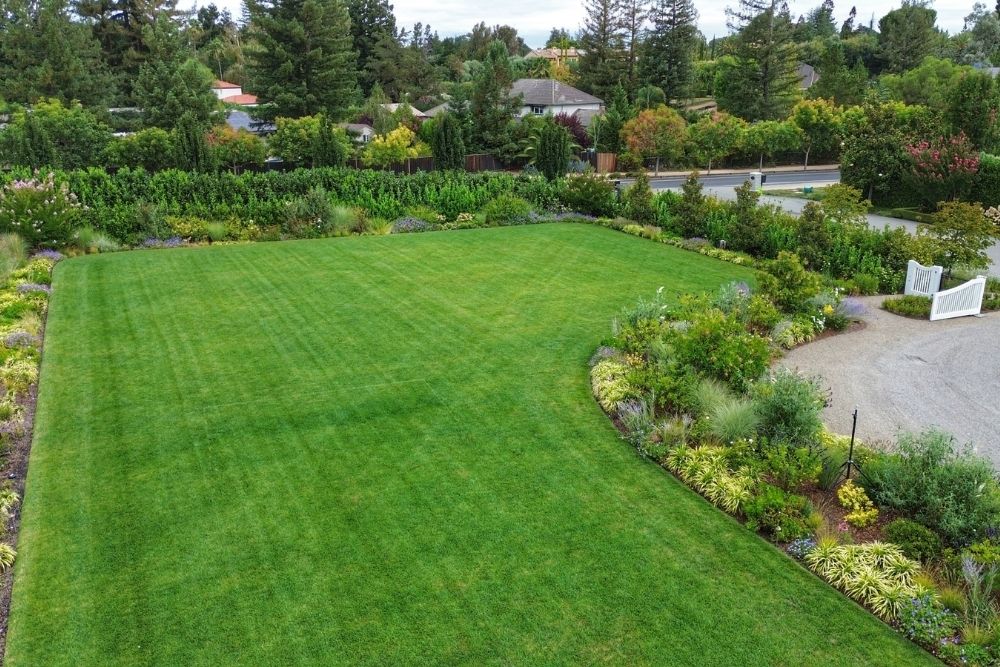
Top dressing should usually be applied in a thin layer that allows grass blades to remain visible. A common starting range is about a quarter inch to half an inch, although the appropriate depth depends on the lawn, the material, and the purpose of the treatment.
Applying too much at once can cover grass blades and interfere with growth. This is especially important when treating an established lawn that is already in reasonable condition.
If the lawn has significant low spots, bare areas, or uneven ground, a single application may not be enough to address the problem. Larger corrections may require a different approach rather than simply adding more compost.
Spread the material evenly and avoid leaving heavy piles in one area. If the grass disappears beneath the compost, the layer is likely too deep for that application.
How Bay Area Weather Affects the Timing
The Bay Area has a range of growing conditions, so the same timing will not suit every property. Sun exposure, soil type, elevation, irrigation, and the amount of shade from mature trees can all influence how a lawn responds to top dressing.
A sunny lawn may dry out faster than grass in a sheltered garden. Heavy or compacted soil may also behave differently from soil that drains freely.
Avoid working on soil that is saturated after heavy rain. Walking or operating equipment on very wet ground can increase compaction and damage the lawn.
After applying top dressing, monitor soil moisture and water as needed. Rainfall can help settle the material, but it should not replace checking whether the grass is receiving enough moisture.
Signs Your Lawn May Benefit From Top Dressing
Top dressing can be useful as part of a lawn improvement program, but not every lawn needs it.
Look for areas where the grass grows unevenly, the soil appears compacted, or the surface has minor irregularities. These signs may indicate that the lawn would benefit from closer assessment.
Poor growth and bare patches can also result from shade, irrigation problems, pests, disease, or unsuitable grass for the location. Top dressing alone will not correct every cause.
Identifying the underlying problem first helps determine whether compost, aeration, irrigation adjustments, reseeding, or another treatment is appropriate.
When Professional Lawn Care Can Help
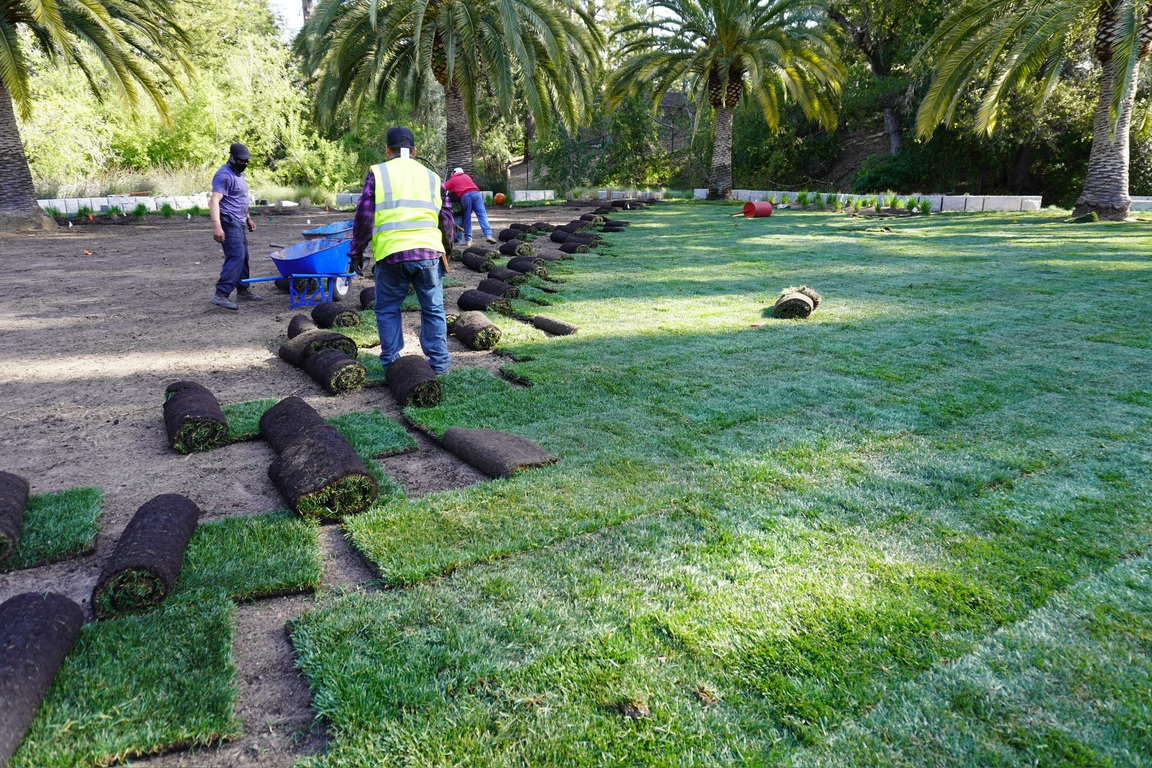
An established lawn may need more than a seasonal treatment when soil compaction, poor drainage, uneven growth, or irrigation problems continue to affect its condition.
A lawn and landscape company can assess these issues and help determine which treatments are suitable. A landscape contractor may also be useful when lawn improvements form part of a larger renovation involving grading, drainage, irrigation, or surrounding garden beds.
For properties with extensive lawns and established planting, it helps to consider the lawn alongside the rest of the garden. Professional landscape maintenance can coordinate seasonal lawn care with irrigation checks, pruning, and other work across the property.
Landscape design services may be relevant when the lawn itself is part of a broader redesign, but a complete redesign is not necessary simply to top dress an existing lawn.
Prepare Your Lawn for the Next Growing Season
Top dressing works best when it is part of a wider lawn care plan. Fall cleanup, appropriate aeration, suitable compost, and correct watering can help prepare an established lawn for the months ahead.
The important step is to assess the lawn before deciding what it needs. Some lawns benefit from aeration and top dressing together, while others need only a light application or a different treatment altogether.