
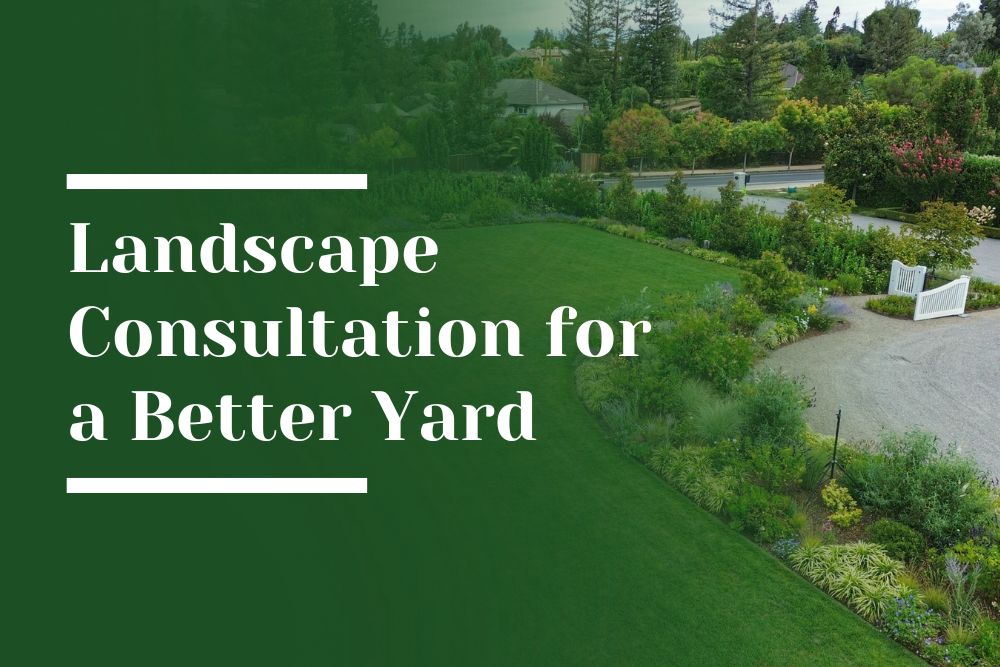
A yard can look perfectly fine at first glance and still have areas that are not working well. An old patio may be too small, planting may have become crowded, or a mature tree may be creating shade that was never considered in the original design.
A landscape consultation gives you a chance to step back and look at the property as a whole before making changes. It can help clarify what should stay, what needs attention, and where the yard has more potential.
Why Start With a Landscape Consultation?
It is easy to focus on one part of a yard at a time. You might want to replace a lawn, add more privacy, or update an old patio without considering how that change affects everything around it.
A consultation brings those pieces together. It gives you an opportunity to talk through how you use the property, what you like about the existing landscape, and what you would like to change.
This does not mean you need to commit to a complete renovation. Sometimes a few well chosen changes can make a noticeable difference.
Look at the Yard as a Whole
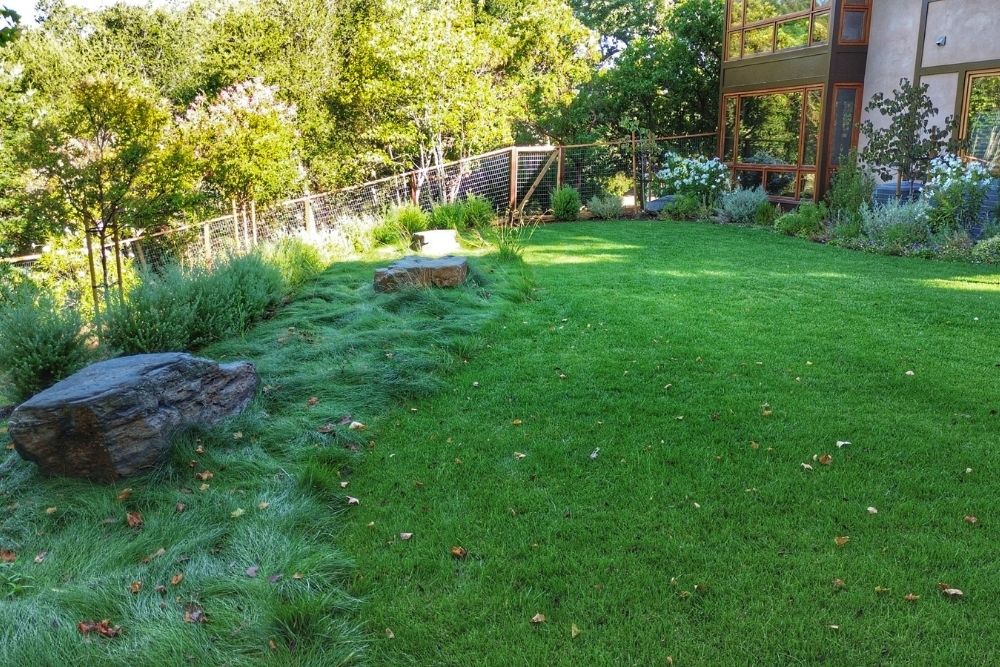
A good landscape plan considers more than planting.
The house, lawn, trees, patios, pathways, fences, planting beds, and outdoor living areas all have a relationship with one another. Changing one part of the property can affect how another area looks or functions.
For example, adding a new patio may make sense on its own, but its location should also consider nearby trees, afternoon sun, circulation, and the views from inside the house.
Looking at the entire yard first makes it easier to make decisions that feel connected rather than adding features one at a time.
Identify Problems Before They Become Bigger Projects
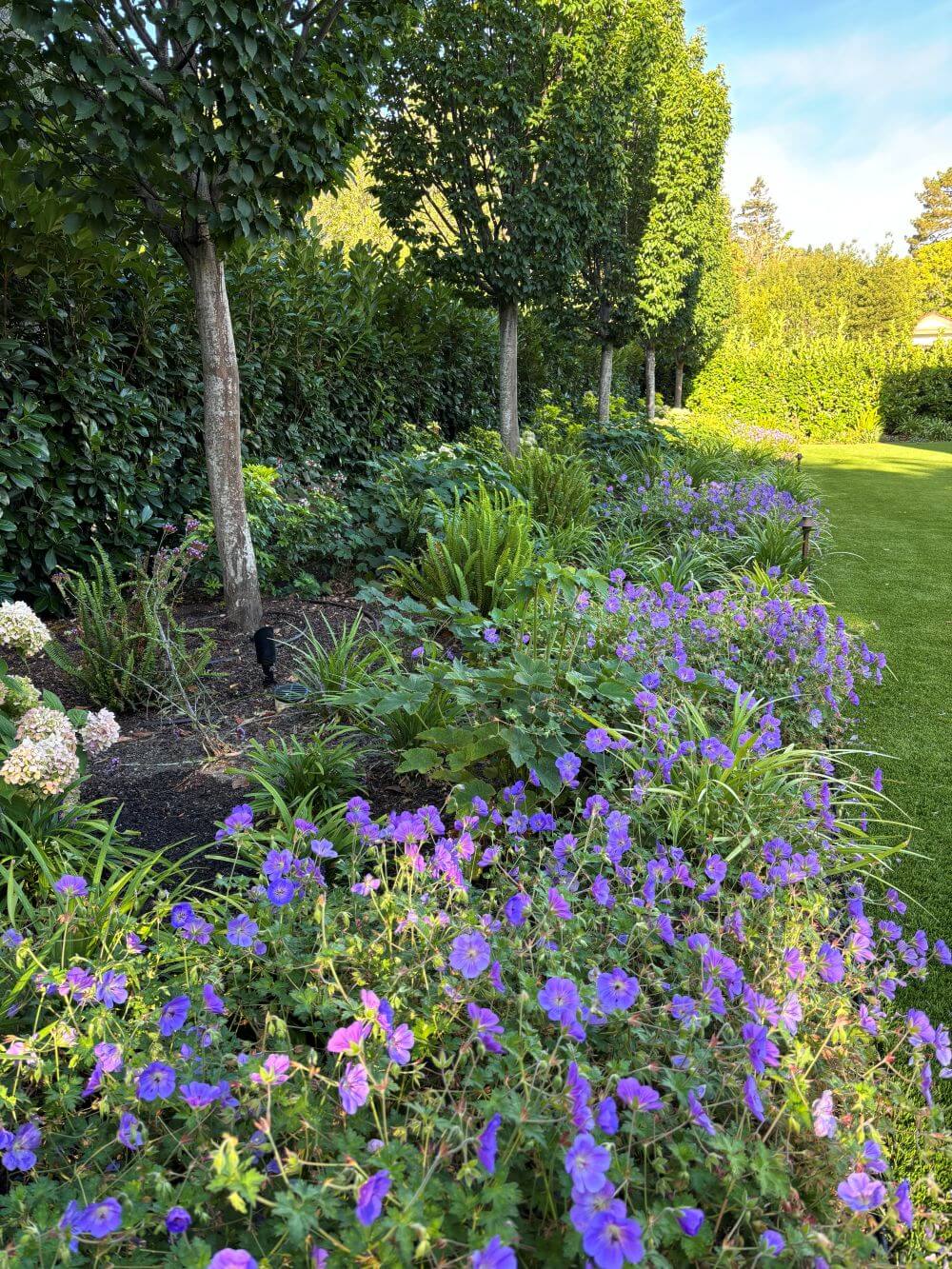
A consultation can also reveal problems that are easy to overlook.
Poor drainage, outdated irrigation, overcrowded plants, compacted soil, and a lack of privacy can all affect how well a garden performs. Addressing these issues early can prevent them from becoming part of a larger and more expensive project later.
Sometimes the problem is simpler. A seating area may be in the wrong location, or a planting bed may be too large for the amount of maintenance it receives.
Understanding what is actually causing the problem helps determine the right solution.
Plan Around Existing Trees and Plants
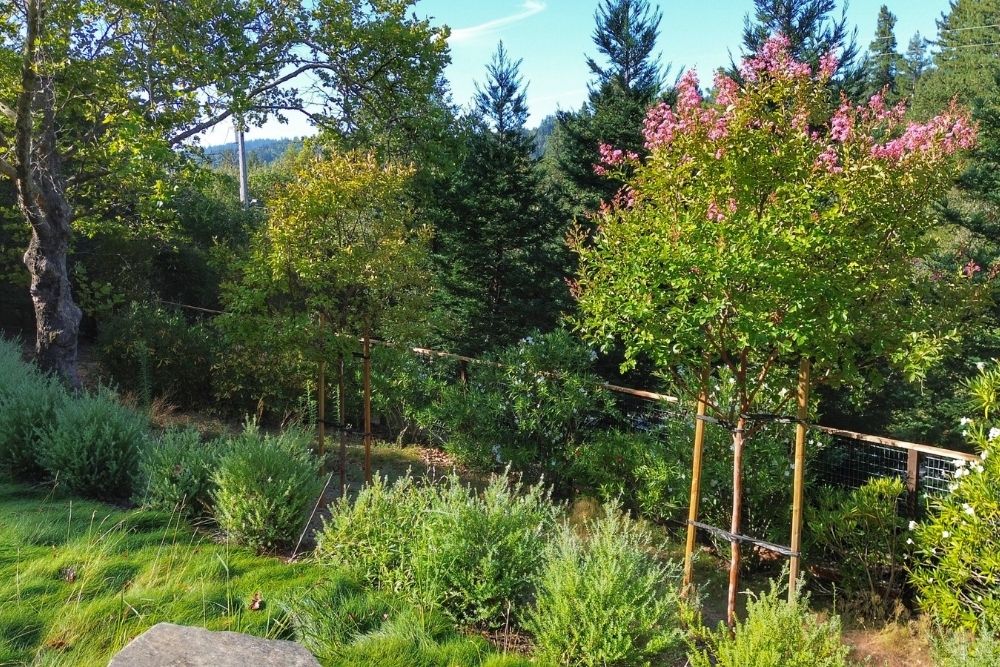
Mature trees are often some of the most valuable features on a Palo Alto property.
They provide shade, privacy, structure, and a sense of maturity that can take decades to develop. Before removing an established tree or planting underneath it, it is worth understanding how its roots, canopy, and seasonal changes affect the surrounding garden.
Existing plants can also be incorporated into a new landscape design rather than removed automatically.
A consultation can help determine which parts of the existing garden are worth keeping and how new planting can work around them.
Decide How You Want to Use the Yard
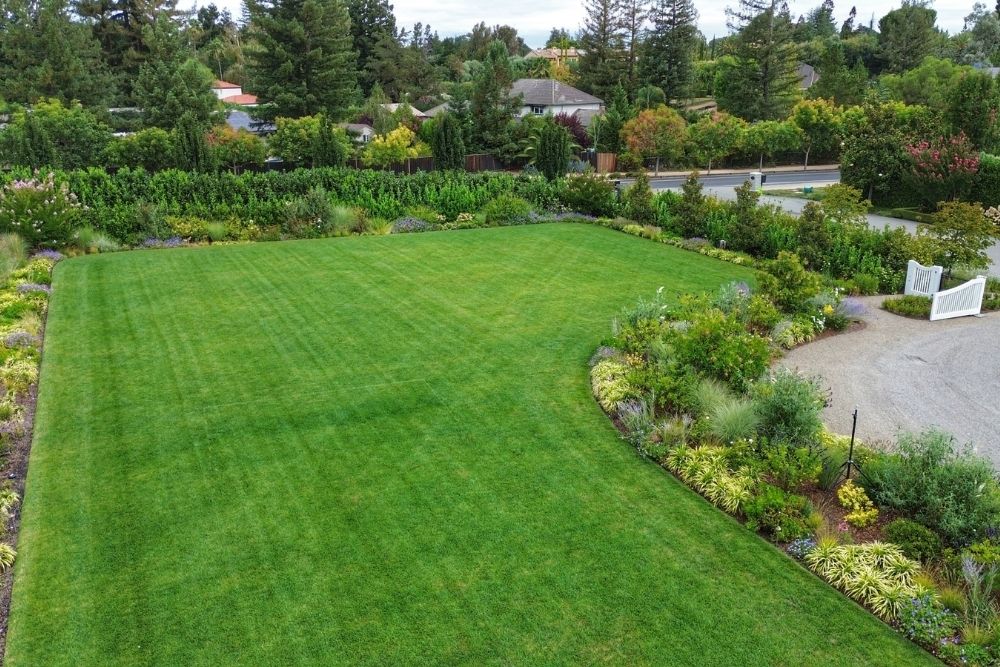
A yard should work for the people who use it.
Some homeowners want a comfortable place for outdoor dining. Others may want space for entertaining, a quiet garden area, a poolside setting, or somewhere to grow vegetables.
These choices can influence the entire layout.
A landscape consultation gives homeowners a chance to explain how they actually spend time outside. That information can then guide the location of patios, paths, planting areas, seating, and other features.
Think About Plants Before Choosing Them
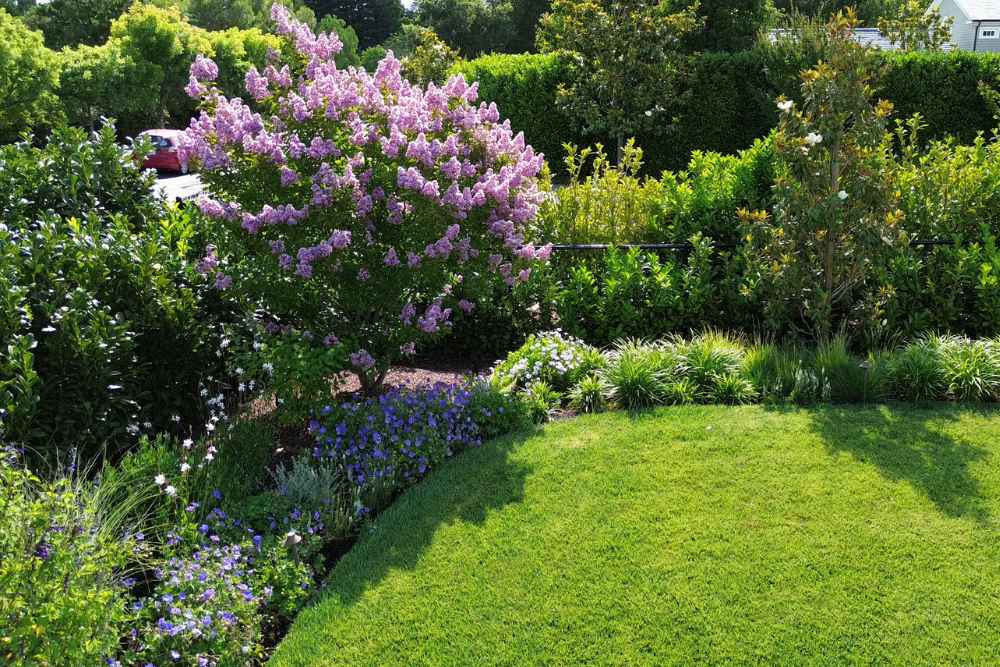
Plant selection should be based on the conditions of the property, not just how a plant looks at the nursery.
Sun exposure, soil, drainage, water requirements, mature size, and maintenance all need to be considered. A plant that works well in full sun may struggle beneath a mature tree, while another may need more water than the rest of the garden.
Palo Alto’s Mediterranean climate also makes plant selection important. Drought tolerant plants can be useful, but they still need to be matched with the right soil, sunlight, and irrigation conditions.
Good garden design is often about choosing fewer plants that are well suited to the site rather than trying to grow everything that catches your eye.
Consider Irrigation and Water Use
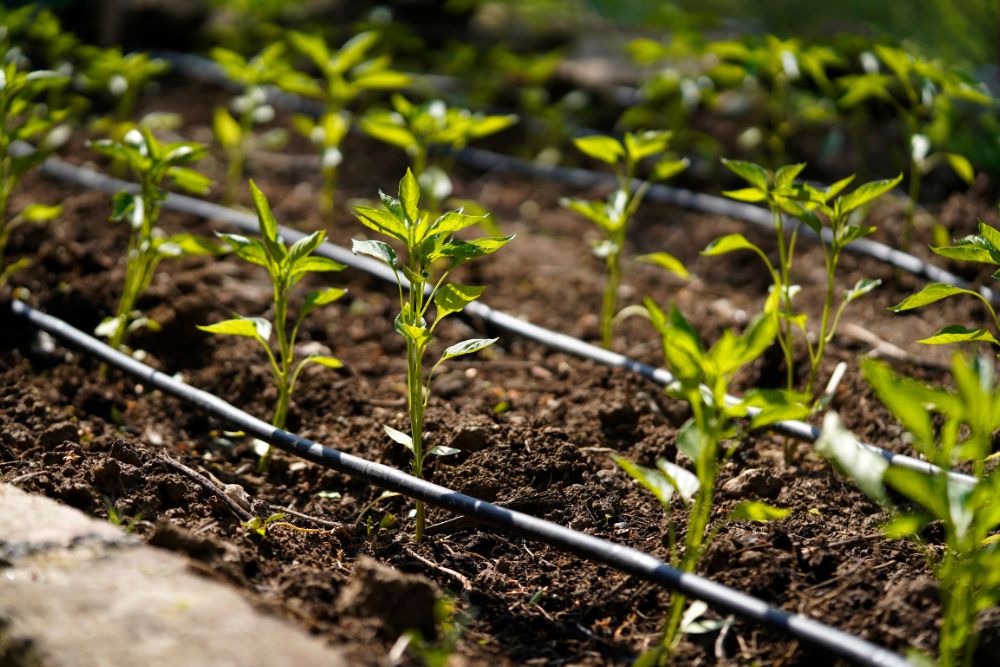
Irrigation is easy to overlook when planning a new yard, especially when the focus is on planting and hardscape.
Different parts of a landscape can have very different watering needs. Lawn, trees, shrubs, and perennial beds should not necessarily all be watered on the same schedule.
A consultation is a good time to look at the existing irrigation system and determine whether it can support the proposed changes.
Planning irrigation alongside the landscape can also reduce unnecessary work later, particularly when new planting beds or outdoor areas are being added.
Plan Hardscape and Outdoor Living Areas
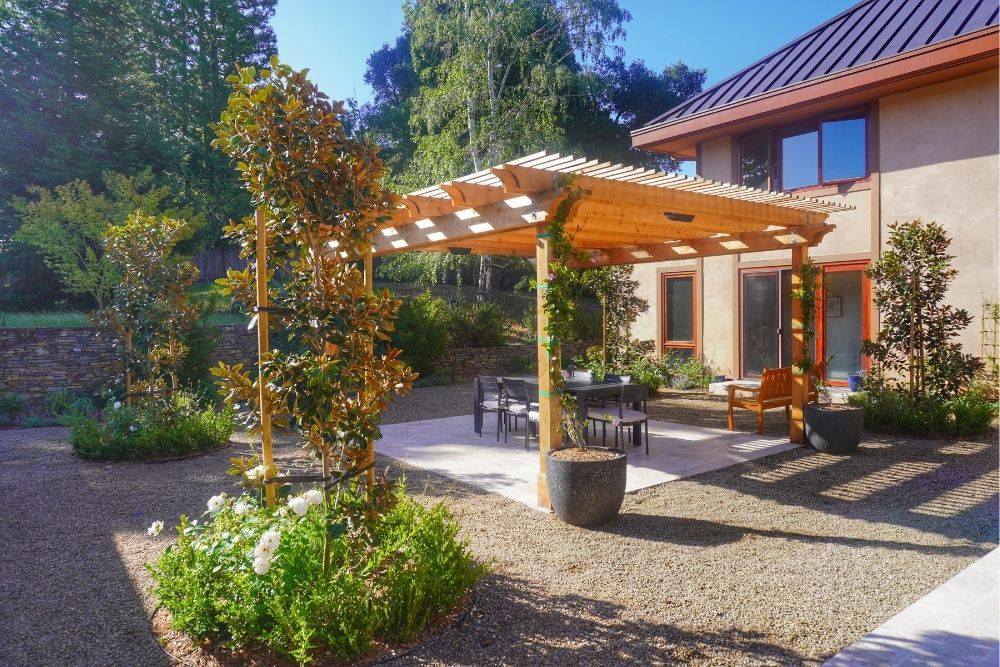
Hardscape often determines how people move through and use a yard.
Patios, pathways, pergolas, retaining walls, steps, and seating areas should work with the planting around them. Their location can also affect drainage, privacy, views, and access to the rest of the property.
For example, a pergola may create a useful outdoor room, but it should have a natural relationship with the house and surrounding garden.
The same applies to pathways. A path should lead somewhere useful while also making the landscape easier and more enjoyable to move through.
When Should You Bring in Landscape Contractors?
Landscape design and landscape construction are different parts of the process.
A landscape designer can help develop the layout, planting, materials, and overall direction. Landscape contractors then bring that plan to life through grading, irrigation, hardscape installation, planting, and other construction work.
For a smaller project, these roles may overlap. For a larger property, having a clear design before construction begins can make the process easier to manage.
It also gives contractors a clear plan to work from rather than making important decisions during installation.
Planning a Better Yard in Palo Alto
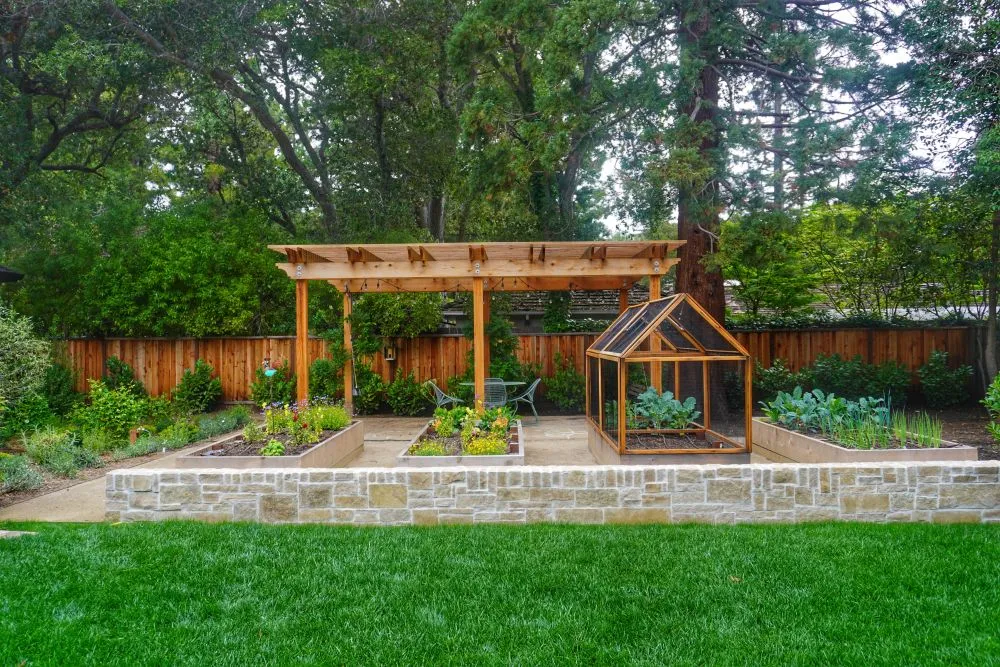
Every Palo Alto property has its own conditions.
The architecture of the house, size of the yard, mature trees, amount of sunlight, soil, water availability, and how the family uses the property all influence what will work.
Good landscaping Palo Alto projects should respond to those conditions rather than follow the same plan from one property to another.
A consultation can help bring those factors into the conversation before decisions are made.
Start With a Conversation About Your Yard
You do not need to have every detail figured out before scheduling a landscape consultation.
You may simply know that the yard feels dated, the planting is difficult to maintain, or you want to make better use of the space. A conversation can help turn those observations into a clearer direction.
From there, you can decide which changes are worth making and whether a larger landscape design project makes sense.
For homeowners considering an updated yard in Palo Alto, starting with a professional consultation can be a practical way to understand the property and explore what is possible.