
Garden in Los Altos Hills can look very different from one season to the next. Spring brings new growth, summer brings heat and dry weather, fall slows things down, and winter brings rain and cooler temperatures.
The work needed in the garden should change with those conditions. Seasonal care helps plants stay healthy and makes it easier to catch small problems before they become larger ones.
Why Your Garden Needs Maintenance Throughout the Year
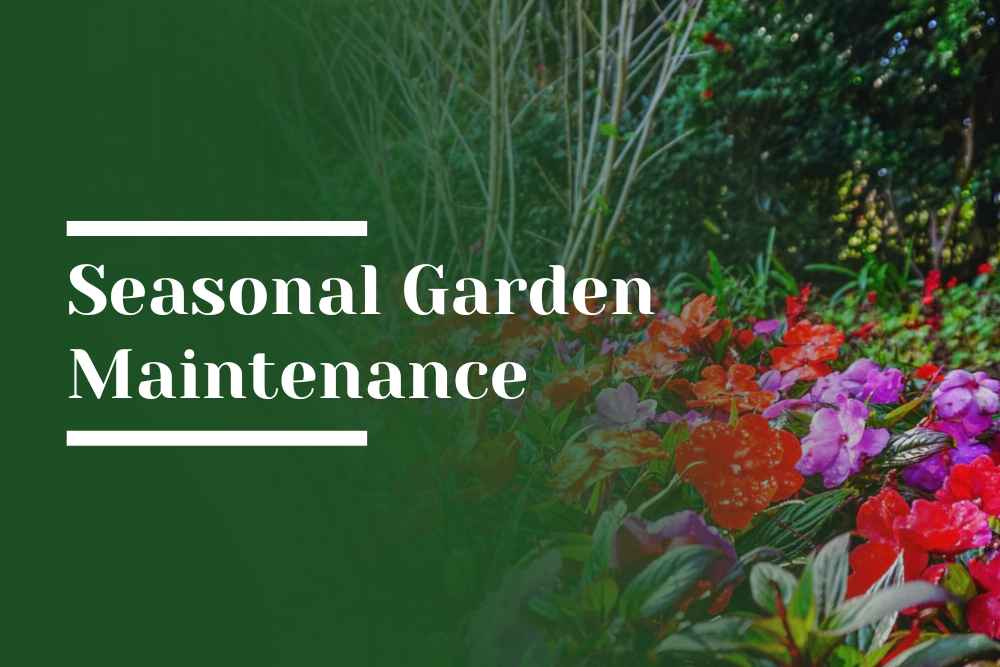
Garden maintenance involves more than trimming plants and removing weeds. Irrigation, pruning, planting, soil care, and weed control all need to change throughout the year.
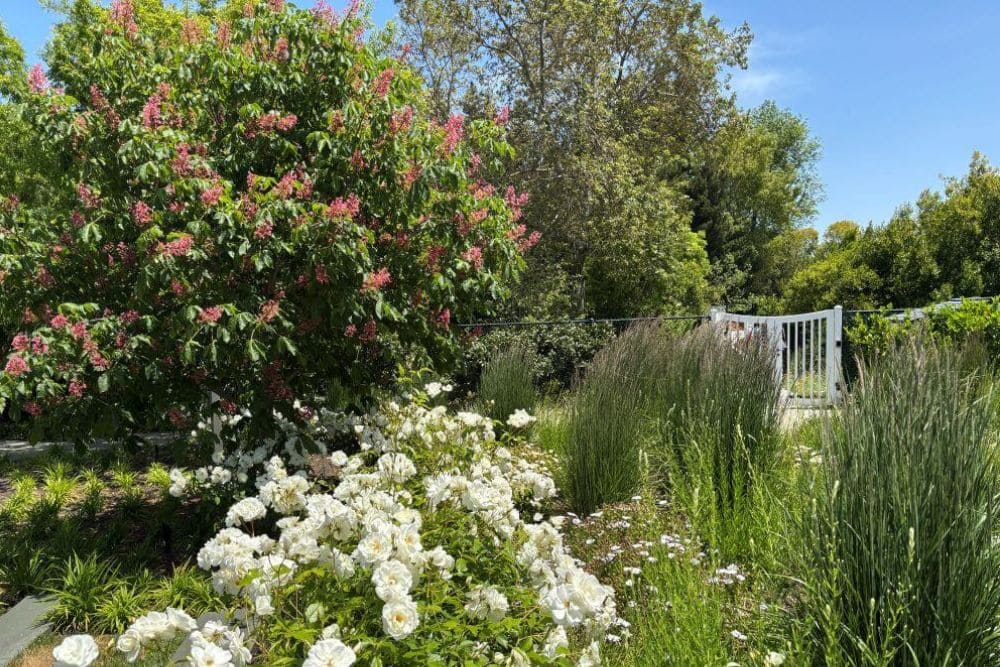
Los Altos Hills properties may include mature trees, lawns, shrubs, perennial beds, and native plants, each with different maintenance needs.
Getting the Garden Ready for Spring
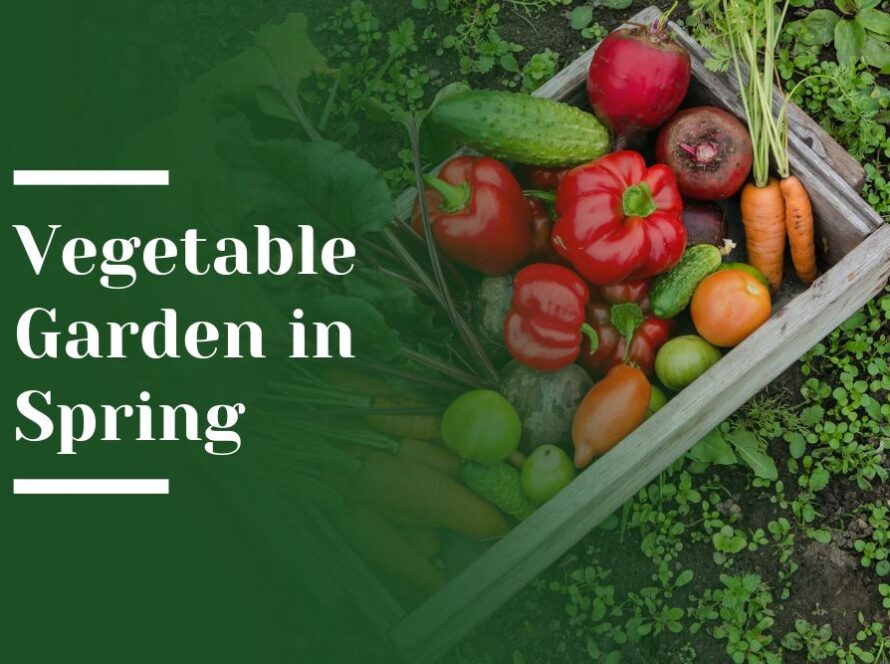
Spring is a good time to assess the garden after winter and prepare for new growth.
Remove damaged branches, clean up planting beds, check irrigation, and deal with weeds before they become established. It is also a useful time to review seasonal planting and replace plants that struggled the previous year.
Managing the Garden Through Summer
Summer is often the most demanding season for Bay Area gardens. Long periods of dry weather make irrigation especially important.
Trees, shrubs, lawns, and perennial beds may need different amounts of water. Mulch can help protect the soil and reduce moisture loss, while regular checks can catch signs of heat stress or irrigation problems.
Preparing the Garden for Fall
As temperatures cool, irrigation schedules should be adjusted and planting beds prepared for the wetter months.
Fall can also be a good time to plant certain trees and shrubs, giving them time to establish roots before warmer weather returns. Leaves and garden debris should be managed around lawns, paths, and drainage areas.
Taking Care of the Garden in Winter
Winter may be quieter, but drainage problems can become more visible during periods of rain. Watch for standing water around planting beds, paths, retaining walls, and mature trees.
Some plants can also be pruned during dormancy, depending on the species. Winter is a useful time to remove damaged branches and review the landscape before spring.
Pruning at the Right Time
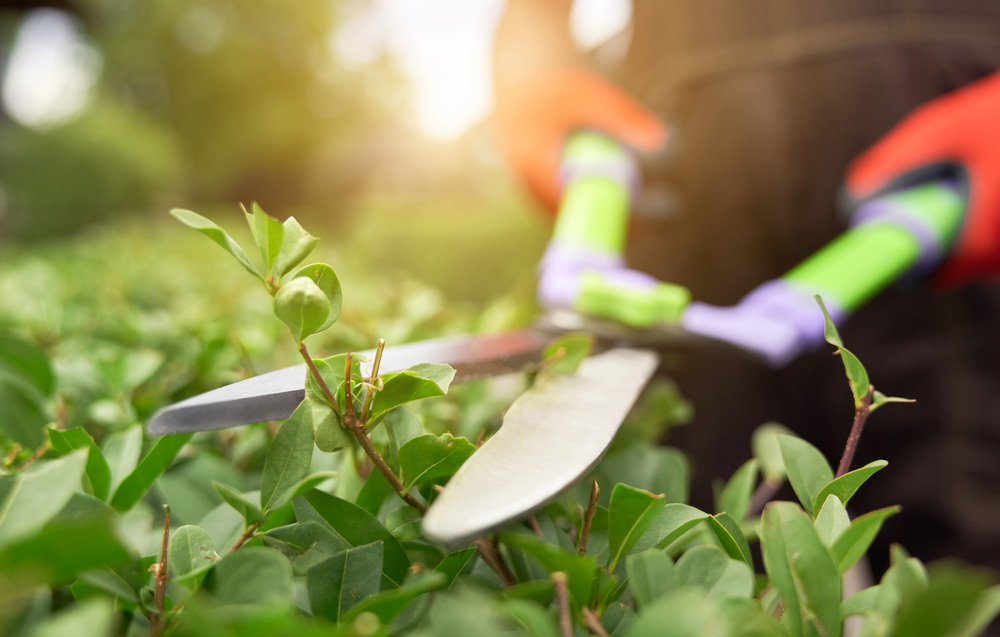
Different trees and shrubs have different pruning requirements. Pruning at the wrong time can affect flowering, new growth, or natural form.
Regular pruning should also consider the overall garden, keeping plants healthy while maintaining clear paths, views, and space between planting areas.
Irrigation Needs Change Throughout the Year
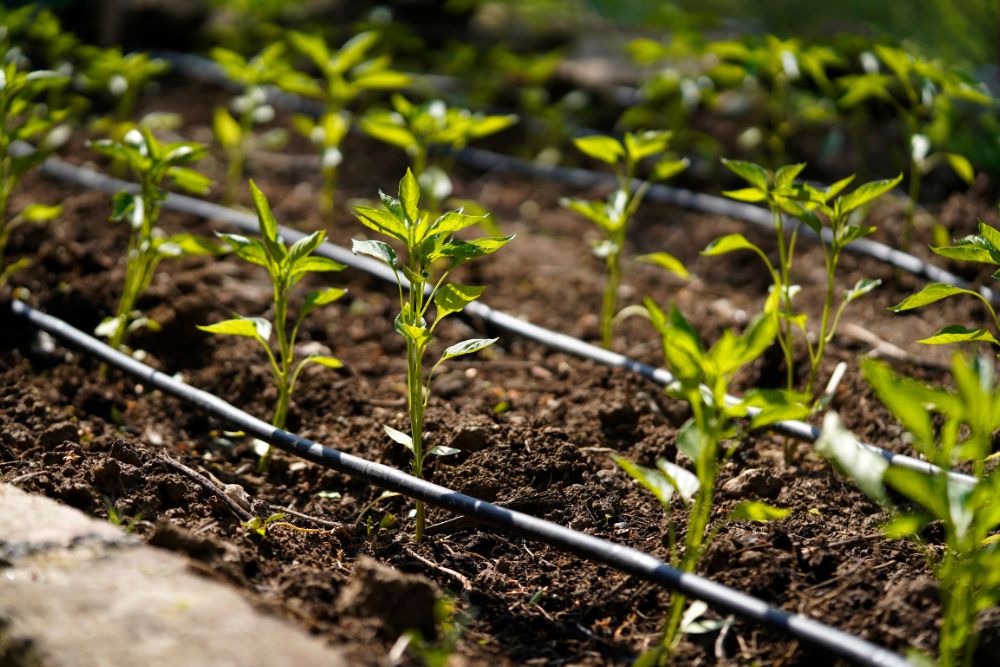
Irrigation should not run on the same schedule throughout the year.
Plants generally need more water during active growth and summer heat, while winter rainfall can reduce irrigation needs. Check timers, drip lines, valves, and irrigation heads regularly for leaks or blocked emitters.
This is particularly important when drought tolerant plants are combined with plants that require more water.
Keep Garden Beds Healthy Between Seasons
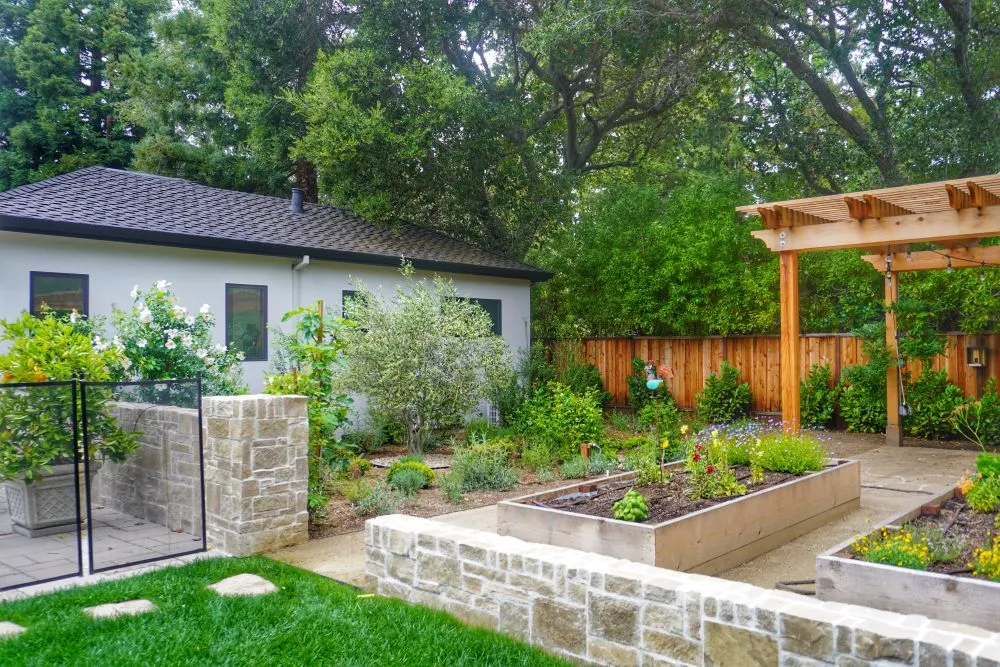
Healthy garden beds need more than regular watering. Mulch protects soil, while weed removal prevents competition for water and nutrients.
Plant spacing can also become a problem as shrubs and perennials mature. Occasional thinning or replacement can improve air circulation and give plants enough room to grow.
When Does a Garden Need More Than Routine Maintenance?
Some problems require more than regular garden care.
Declining trees, poor drainage, outdated planting, failing irrigation, overcrowded beds, and privacy concerns may indicate that the landscape needs to be reassessed.
The same applies when parts of the garden no longer suit how the property is being used. A rarely used lawn or an underused shaded area may benefit from a new approach.
Designing With Maintenance in Mind
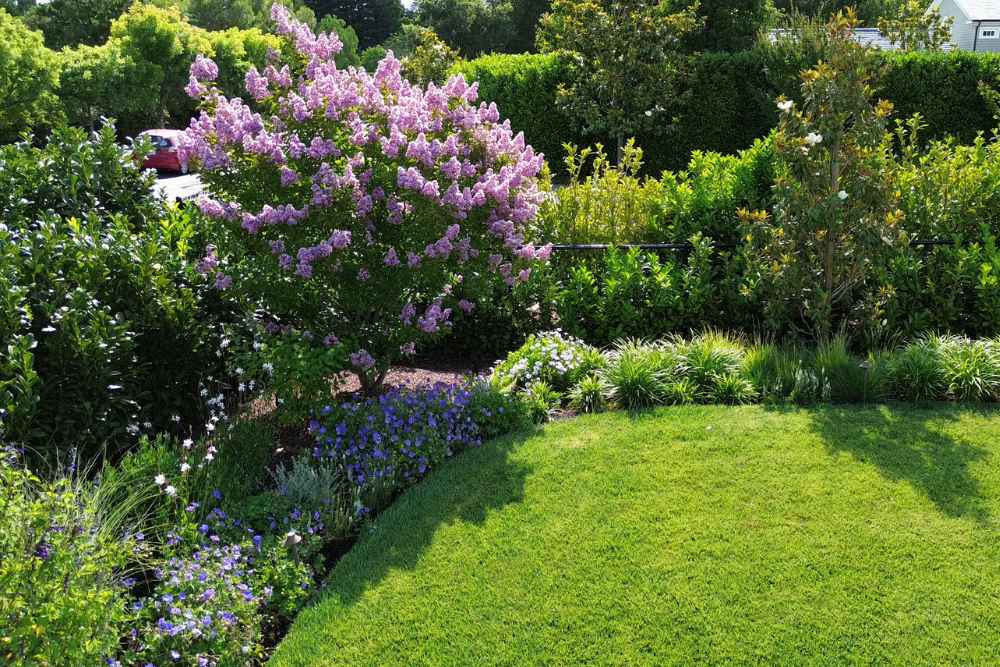
Maintenance is easier when the landscape has been designed with long term care in mind.
Landscape architect can consider mature plant sizes, irrigation, seasonal interest, sunlight, soil conditions, and future maintenance requirements.
This is especially useful during a landscape renovation, when planting, lawns, pathways, irrigation, and outdoor areas can be planned together. Professional landscape design services can also help determine which existing features should remain.
Caring for a Larger Estate Garden
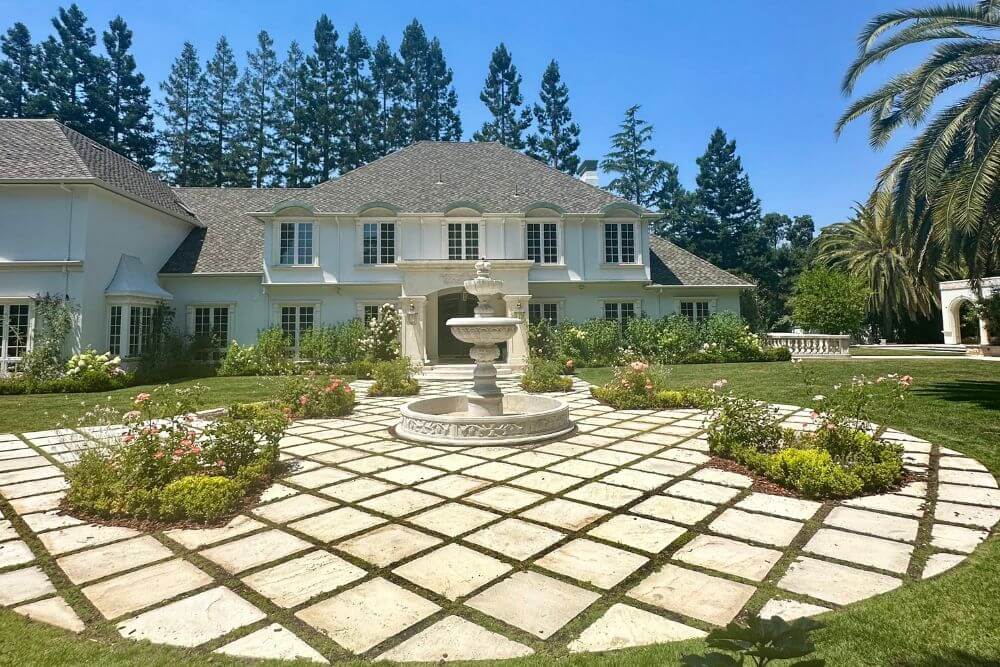
Larger properties often have several garden areas requiring different types of care.
Professional garden maintenance can include pruning, seasonal planting, irrigation checks, weed management, mulch and soil care, and monitoring trees, shrubs, and perennials.
The routine should change throughout the year so the garden can respond to seasonal growth and weather. For homeowners seeking luxury landscaping services, ongoing maintenance can also help preserve the character and structure established through the original design.
Keeping the Garden Looking Its Best Year Round
Well maintained garden should not look exactly the same throughout the year.
Spring brings new growth, summer highlights irrigation and heat management, while fall and winter provide opportunities for preparation, pruning, and planning.
For Los Altos Hills homeowners, seasonal garden maintenance can also reveal areas that need more than routine care. When larger changes are needed, garden maintenance and landscape design services can work together to keep the property healthy while moving it in a new direction.