
Woodside properties often have a strong connection to their surroundings. Mature oaks, open lawns, wooded areas, and established planting can give a garden a sense of character before any new design work begins.
That makes choosing a garden style a little different here. The goal is not simply to pick a style you like, but to find an approach that works with the property, the architecture, and the way you want to use the garden.
Start With the Property
Before choosing a garden style, look at what is already there.
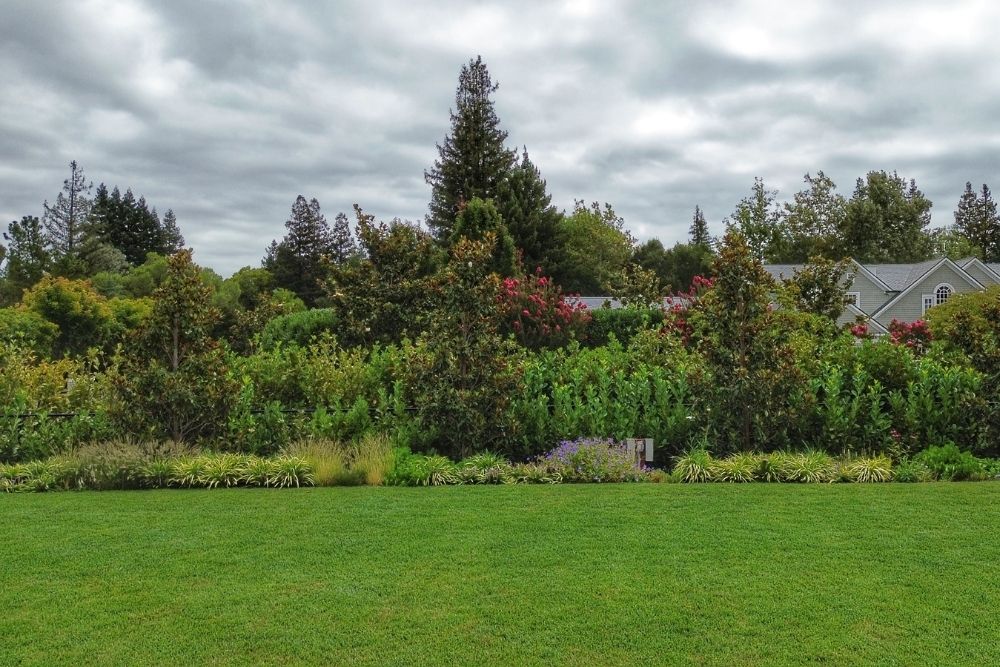
Mature trees, natural slopes, existing planting, views, and the architecture of the house can all influence the direction of the design. A formal garden may work beautifully close to a traditional home, while a more natural planting style may feel better farther from the house.
The best gardens usually respond to these existing conditions rather than trying to cover them up.
Consider the Architecture of the Home
The house should have a relationship with the garden.
A traditional property may suit structured hedges, stone paths, clipped planting, and defined garden rooms. A contemporary home may work better with simpler planting, strong lines, large areas of paving, and fewer plant varieties.
This does not mean everything has to match perfectly. Some of the most interesting landscapes combine a structured area near the house with softer, more natural planting farther into the property.
A Naturalistic Garden Can Work Beautifully in Woodside
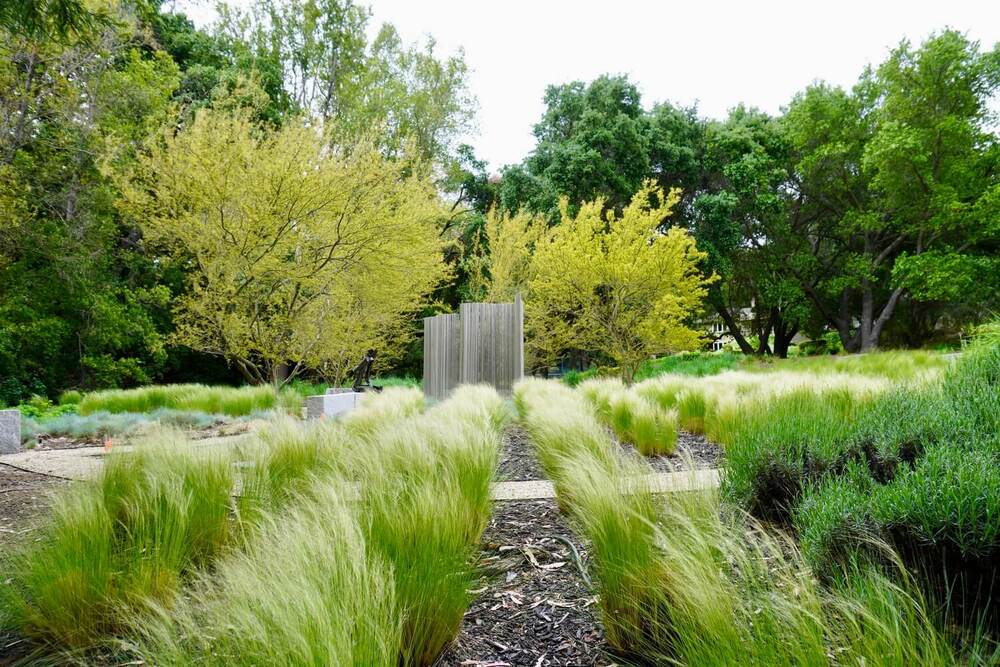
Woodside’s natural surroundings make a naturalistic garden a natural choice for many properties.
California native plants, ornamental grasses, Oaks, shrubs, and informal planting can create a landscape that feels connected to the surrounding environment. Curved paths and natural stone can also help the garden feel less formal.
This approach can work particularly well where the property already has mature trees or borders open space.
The planting does not need to look wild. A well planned naturalistic garden still has structure, with different layers of trees, shrubs, grasses, and perennials creating a sense of order.
Formal Gardens Bring Structure
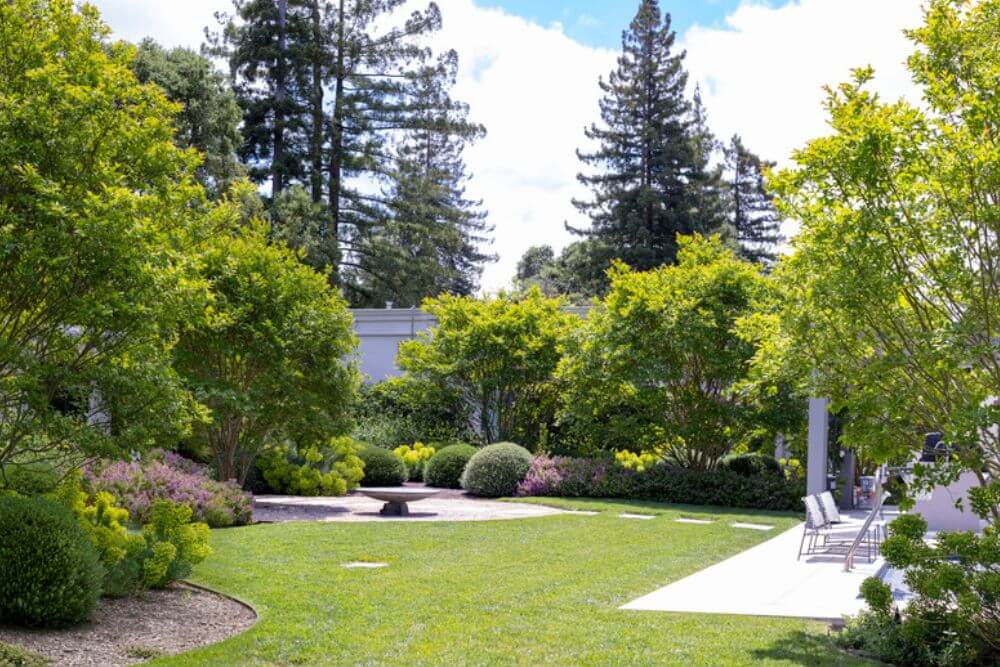
A more formal garden can create a strong contrast with Woodside’s natural setting.
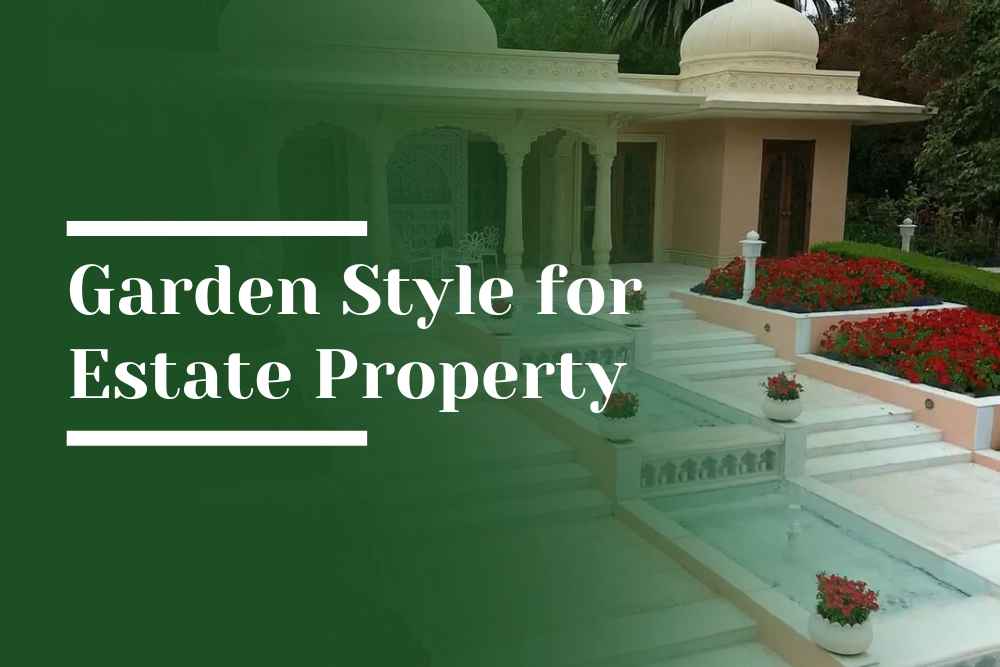
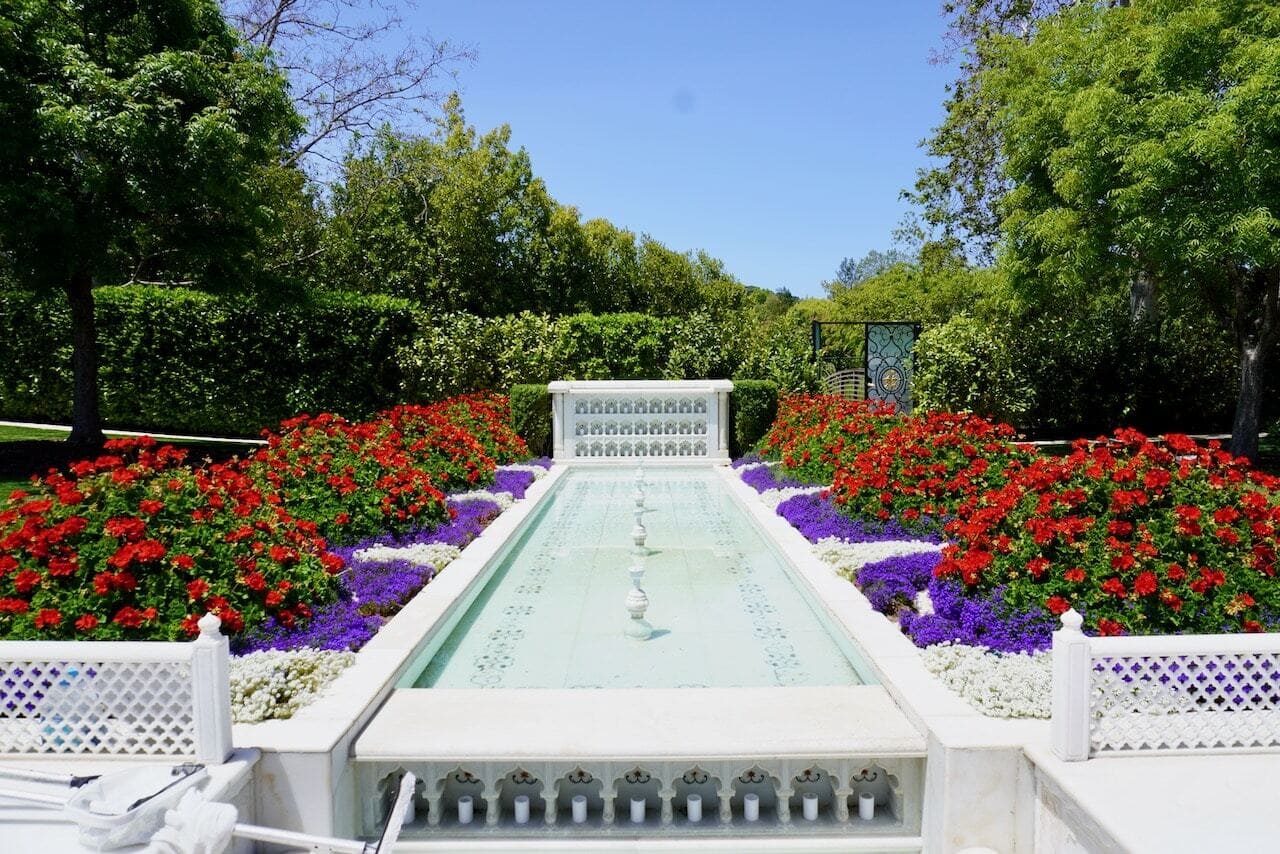
Clipped hedges, symmetrical planting, stone paths, fountains, and defined garden rooms can give the area around the home a more structured appearance.
Formal design can be particularly effective near entrances, terraces, and entertaining areas. The rest of the property can then become more relaxed as you move away from the house.
English Cottage Gardens Add Seasonal Color
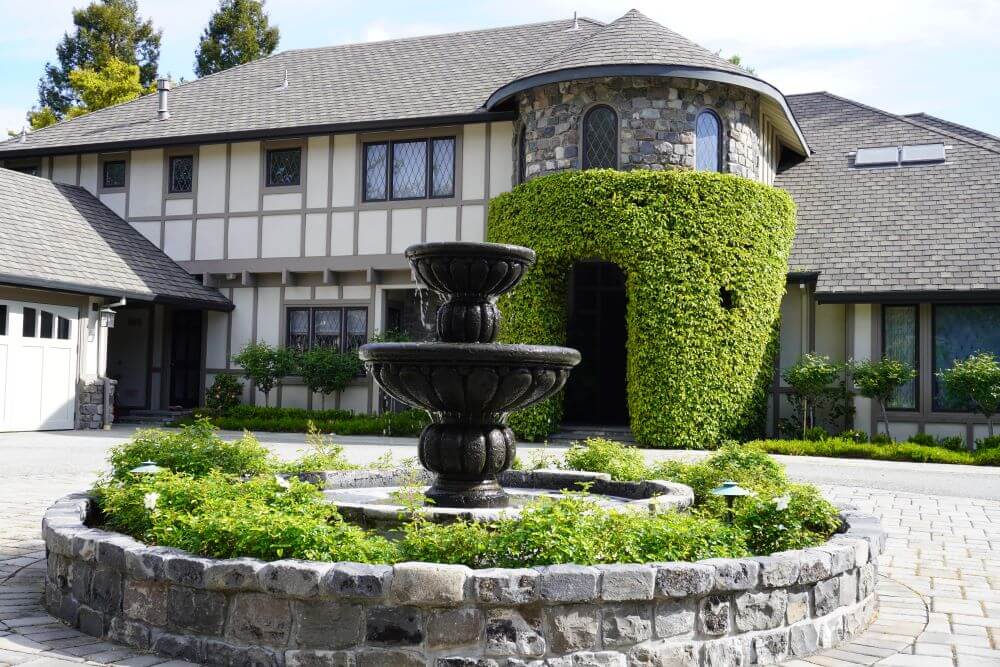
For homeowners who enjoy flowers and a softer style, an English inspired garden can be a good direction.
Roses, Lavender, Salvia, and other flowering plants can be combined with informal borders and gravel or brick pathways. The planting can be layered so that different flowers and foliage appear throughout the seasons.
This style works best when the planting feels full without becoming difficult to manage. Plant selection should take the property’s sunlight, soil, irrigation, and maintenance needs into account.
Contemporary Gardens Can Feel Right at Home
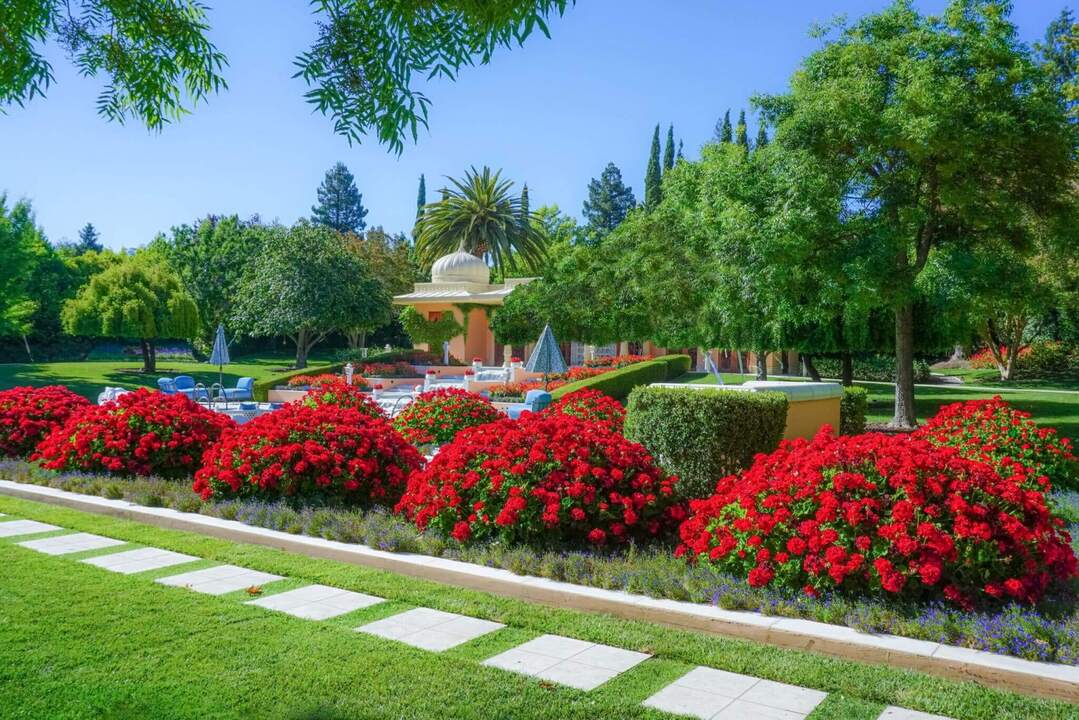
Modern architecture calls for a different approach.
Clean lines, simple planting, concrete or natural stone, architectural plants, and ornamental grasses can create a contemporary garden without making it feel cold.
A limited plant palette can also make a modern garden easier to read visually. Instead of using many different varieties, a few plants can be repeated throughout the property to create consistency.
Think About How You Use the Garden
Garden style should also reflect how you live.
If you regularly entertain, you may want a defined dining terrace surrounded by planting. If you prefer quiet spaces, a secluded seating area beneath mature trees may be more appropriate.
A larger Woodside property may have room for several different experiences. One area could be formal and close to the house, while another could include a vegetable garden, pool area, or naturalistic planting.
This is where the overall layout becomes as important as the planting style.
Look at the Existing Trees Before Making Changes
Mature trees can be one of the defining features of a Woodside property.
Before removing or planting around them, consider their canopy, root systems, shade patterns, and seasonal changes. These factors can influence everything from plant selection to the location of paths and seating areas.
Existing trees can also help establish the character of the garden. Instead of designing around them as obstacles, they can become part of the overall composition.
Choose Plants That Suit the Site
A garden style should never be based only on appearance.
Plants need to suit the available sunlight, soil, drainage, water supply, and space they will have as they mature. This is particularly important when combining ornamental plants with California natives.
Drought tolerant plants can help reduce water use, but they still need to be placed where their growing conditions are appropriate.
Choosing the right plants at the beginning can also make ongoing garden maintenance much easier.
Do You Need to Choose Just One Style?
Not necessarily.
A Woodside property can have different garden styles within the same landscape as long as there is a clear connection between them.
A formal entrance could transition into a relaxed lawn and then lead toward a naturalistic garden beneath mature Oaks. Consistent materials, repeated plants, or similar colors can help connect these different spaces.
The result can feel more personal than following one style throughout the entire property.
When a Garden Designer Can Help
Choosing a garden style can be difficult when there are already mature trees, established planting, and several areas to consider.
A garden designer can look at the property as a whole and help determine which approach works with the architecture, natural surroundings, and how the garden will be used.
Professional garden design services can also bring planting, paths, outdoor living areas, irrigation, and maintenance considerations into the same plan.
This can be especially helpful for larger properties where individual changes need to work together rather than being handled separately.
Creating a Garden That Belongs in Woodside
The right garden style is not necessarily the one that looks most impressive on its own. It is the one that feels appropriate for the property.
For some Woodside homes, that may mean a formal garden close to the house and naturalistic planting beyond it. For others, an English inspired garden or contemporary landscape may be a better fit.
The important thing is to consider the architecture, existing trees, surrounding landscape, climate, and the way you want to use the space before deciding on a direction.
A garden designer can help bring those elements together and create a landscape that feels connected to the property rather than placed on top of it.