
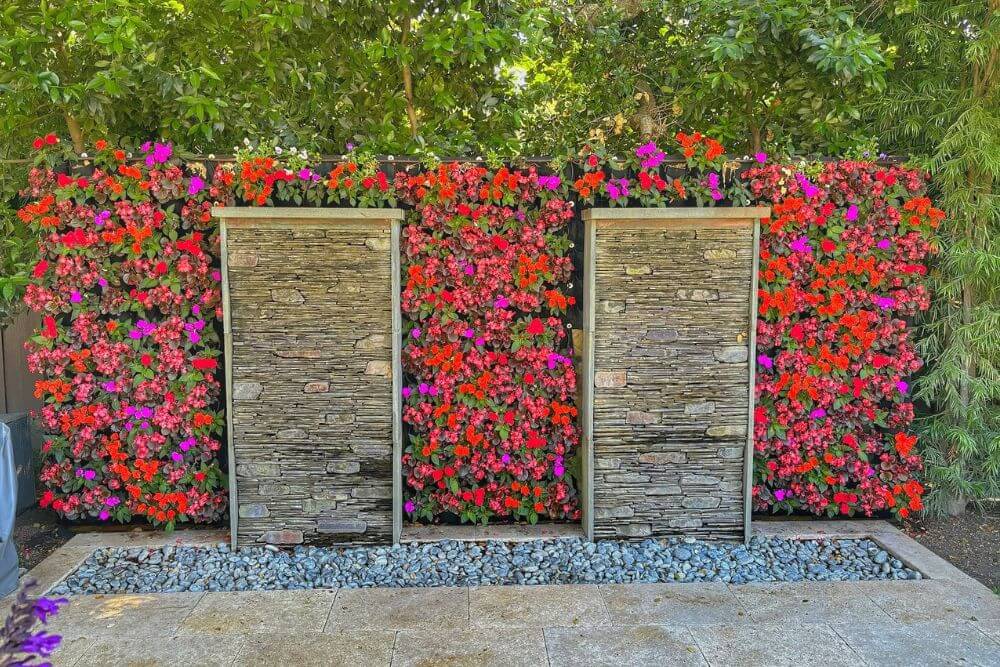
Living wall can bring greenery into parts of a property that might otherwise feel plain or underused. It can soften a fence, add privacy around a patio, or bring more planting into a smaller backyard.
The challenge is keeping it manageable. Plants growing vertically have different needs from those planted directly in the ground, so choosing the right varieties from the start can make a big difference.
Why Plant Choice Matters for a Low Maintenance Living Wall
Not every plant is suited to growing in a living wall. Some need frequent watering, others spread quickly, and some require regular pruning to keep their shape.
Sunlight is one of the first things to consider. A wall facing strong afternoon sun will have very different growing conditions from one tucked beneath mature trees.
Drainage also matters. The growing space in a vertical garden is usually more limited than a traditional garden bed, which means plants need suitable soil and enough room for their roots.
Choosing plants that naturally fit the conditions is one of the simplest ways to keep maintenance under control.
What Makes a Living Wall Low Maintenance?
A low maintenance living wall should not depend on plants that need constant attention. Look for varieties that can handle the available light, have manageable growth, and suit the local climate.
Irrigation is just as important as plant selection. A living wall can dry out faster than plants growing in the ground, particularly during Saratoga’s warmer summer months.
A reliable irrigation system can keep moisture consistent without requiring daily hand watering. It also helps prevent some plants from receiving too much water while others remain dry.
Best Plants for a Living Wall in Saratoga
The best living wall plants depend on the location, but several varieties can work well in Bay Area gardens when matched with the right conditions.
Ferns
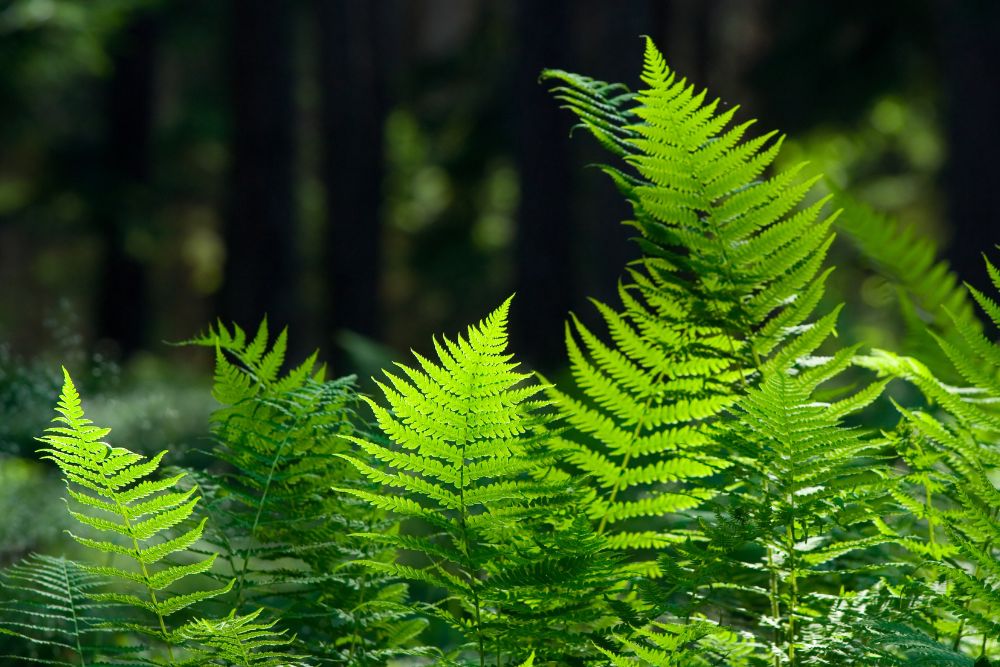
Ferns are a good choice for shaded or partly shaded walls. Their soft, full foliage can make a vertical garden feel lush without relying on flowers for color.
They work especially well in protected areas where the soil can stay reasonably moist. Sword ferns and other suitable varieties can be considered depending on the amount of light.
Heuchera
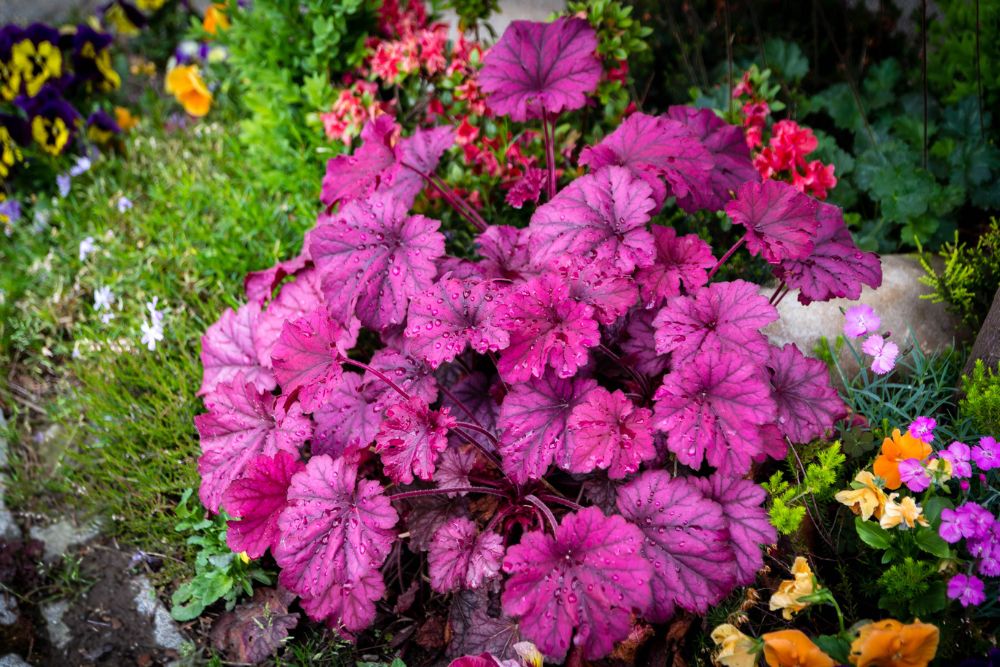
Heuchera is useful when you want more variation in foliage. Depending on the variety, the leaves can range from green and bronze to deeper burgundy tones.
They can work well in partly shaded locations and provide interest even when they are not flowering. Their compact growth also makes them useful for smaller planting pockets.
Lomandra
Lomandra is worth considering for a sunnier living wall where a tougher plant is needed. Its narrow, grass like foliage brings texture and movement to the planting.
It is also useful in lower maintenance Bay Area landscapes because it can handle periods of dry weather once established. The specific variety and growing conditions still need to be considered.
Dichondra
Dichondra has a trailing habit that can soften the edges of a vertical garden. Its foliage can spill over planting pockets and help create a more natural appearance.
It works best where the growing conditions suit it and can be useful for adding a softer layer around more upright plants.
Strawberry Begonia
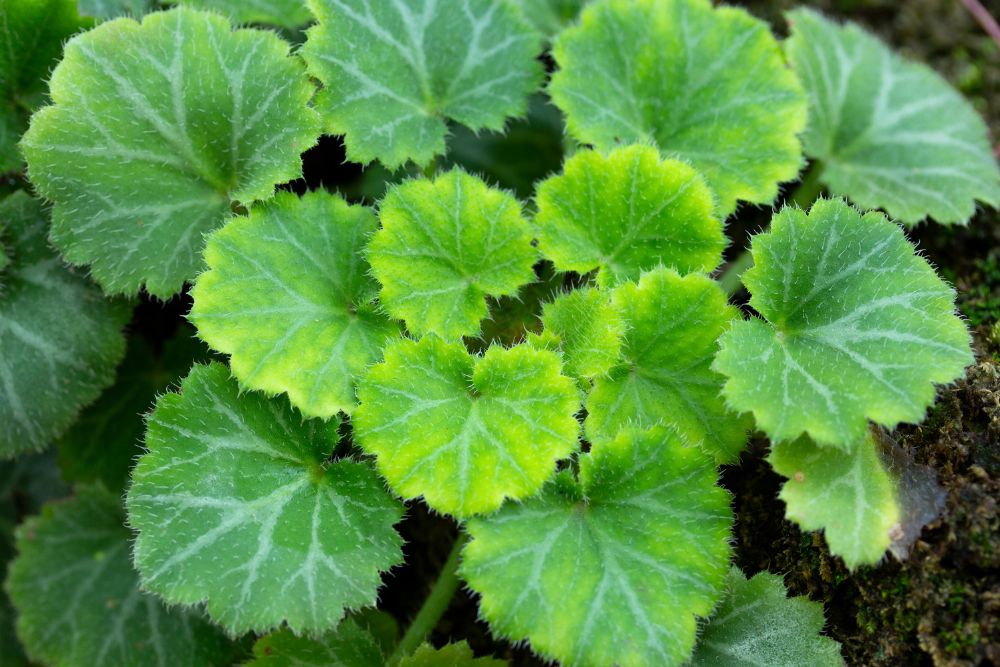
Strawberry Begonia can bring both foliage and small flowers to a shaded living wall. It works particularly well in protected areas where stronger sunlight is limited.
Its trailing growth can also help connect individual planting areas, making the wall feel fuller.
Succulents
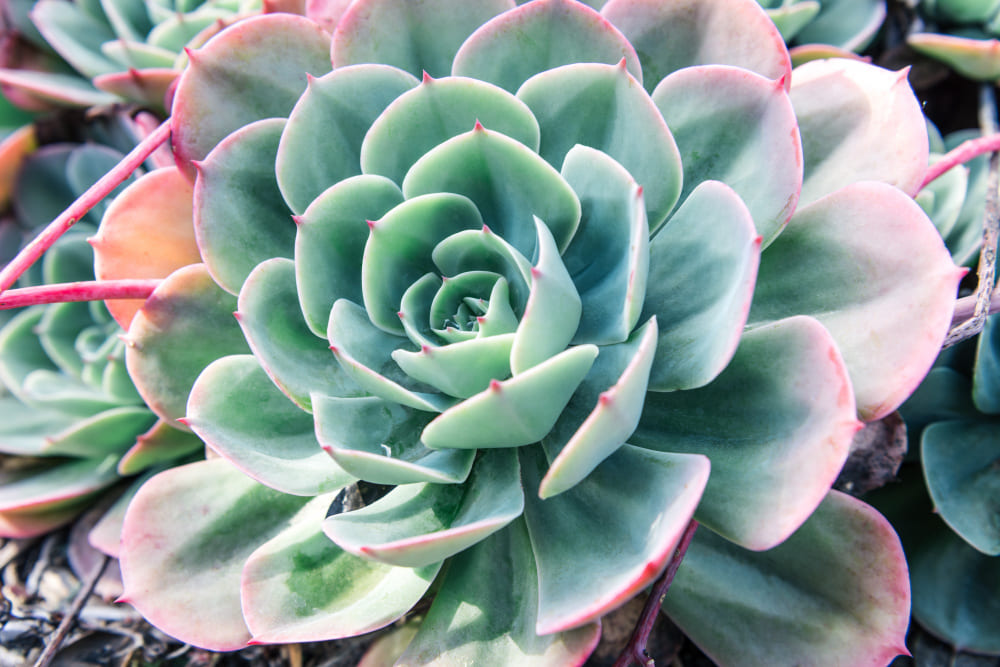
Some succulents can be excellent choices for sunny living walls. They generally need good drainage and should not be treated like plants that prefer consistently moist soil.
Different varieties can be combined to create changes in form, color, and texture. They are particularly useful where water use is a concern.
Choose Plants Based on Sun and Shade
The amount of sunlight your wall receives should guide the planting choices.
A wall that gets several hours of afternoon sun can become quite warm and dry. Succulents and other plants suited to those conditions may be a better choice than shade loving ferns.
A wall beneath a tree canopy or beside a shaded patio presents a different opportunity. Ferns, Heuchera, and other shade tolerant plants can create a fuller planting without being exposed to intense afternoon heat.
It is better to choose plants based on the actual conditions of the property rather than selecting them simply because they look good in photographs.
Use Foliage for Year Round Interest
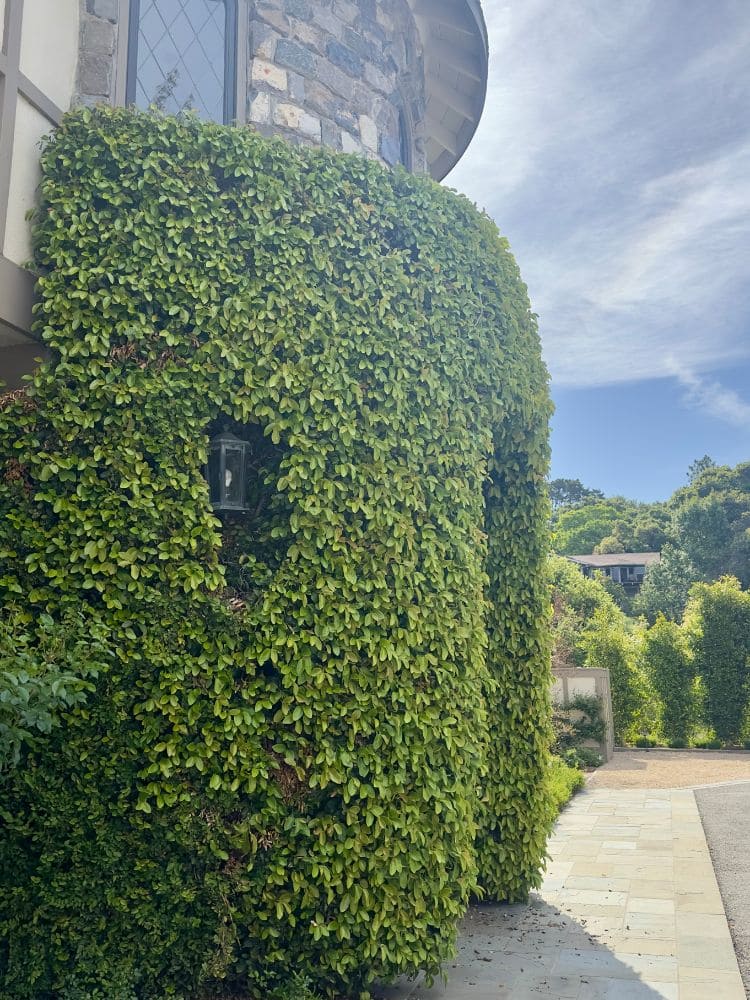
A living wall does not need to be filled with flowers to remain interesting.
Long lasting foliage can provide the main structure, while flowering plants can add seasonal color. Mixing different leaf shapes, textures, and shades of green can make the wall interesting throughout the year.
This approach can also make maintenance easier. Instead of relying on plants that need frequent replacement for seasonal color, the main planting remains in place while smaller accents can change over time.
Can a Living Wall Provide Privacy?
A living wall can help soften a fence, patio edge, or view from a neighboring property.
Plants can create a softer screen than a solid wall while still allowing light and air to move through the garden. Taller plants can provide height, while trailing and lower growing varieties fill in the space below.
For a backyard in Saratoga, the amount of privacy needed will depend on the property. A small patio may only need a narrow planting screen, while a larger estate may benefit from a more layered approach using trees, shrubs, and vertical planting together.
Think About Irrigation and Maintenance
Irrigation should be considered before installing a living wall.
Drip irrigation can provide consistent moisture to individual planting areas, while proper drainage helps prevent roots from remaining too wet. It is also worth making sure the system can be accessed easily for adjustments and repairs.
Even a low maintenance living wall will need regular care. Plants may need occasional pruning, damaged foliage should be removed, and irrigation should be checked as the garden develops.
The goal is not to create a wall that requires no maintenance. The goal is to choose plants and systems that keep unnecessary work to a minimum.
When Professional Landscape Design Can Help
A living wall becomes more complicated when it is part of a larger landscape project.
A landscape architect can look at the wall’s orientation, available sunlight, drainage, irrigation, structure, and relationship to the rest of the property. These details can help determine which plants are likely to perform well over time.
For a larger residential project, a luxury landscape design company can also coordinate the living wall with patios, pathways, privacy planting, lighting, and other garden areas.
Professional landscape design services can be particularly useful when the wall needs to solve several problems at once, such as adding privacy while also creating a stronger connection between the house and garden.
Designing a Living Wall for a Saratoga Home
Saratoga’s warm, dry summers make plant selection especially important. A wall that receives direct afternoon sun will need plants and irrigation suited to those conditions.
The architecture of the home should also be considered. A living wall can soften a modern fence, complement a patio, or create a green backdrop for an outdoor seating area.
Existing trees and planting should be part of the decision as well. A new vertical garden should connect with the surrounding landscape rather than looking like a separate feature.
For some properties, a living wall may be the right solution. In others, a hedge, vine covered structure, or layered planting bed may provide the same benefit with less maintenance.
A Low Maintenance Living Wall Can Still Feel Lush
Low maintenance does not mean a living wall needs to look plain. The right combination of foliage, texture, seasonal flowers, and trailing plants can create a garden feature that feels full and natural.
The most important step is matching the plants to the wall. Sunlight, drainage, irrigation, and the surrounding landscape all play a role in how well the planting will perform.
For Saratoga homeowners considering a living wall or a larger backyard update, professional landscape design services can help determine what will work best for the property and how the vertical garden can become part of the overall landscape.